










Right-wing activist Jake Lang organized a protest against Islamization in front of the mayoral residence in New York City, New York, on the weekend. A larger group of counterprotesters gathered around the event, and two improvised explosive devices were thrown at the protesters.
‘Today, Zelenskyy has effectively usurped power in Ukraine. He persecutes his critics, arrests political opponents, and uses mobilization as a tool of repression. People are sent to war where they die, while none of Zelenskyy’s close associates or friends is mobilized or fighting.’
Foreign actors have entered Hungary’s campaign season alongside domestic political forces, according to the Center for Fundamental Rights’ latest analysis. While Brussels and Kyiv seek to influence developments, recent political events and the Center’s polling suggest the right-wing Fidesz maintains a stable lead over Tisza heading into the parliamentary race.
US Secretary of War Pete Hegseth said President Trump ‘got the last laugh’ over Ayatollah Ali Khamenei of Iran, who was killed in a US–Israeli air strike in Tehran last week, referring to past Iranian assassination plots against the POTUS. Hegseth also declared that America is ‘winning—decisively, devastatingly and without mercy’ in the war against the Islamist regime in Iran.
Bryan Leib has recently sat down for an interview with Hungarian political influencer and TV host Stefi Déri, where he talked about the special relationship between US President Donald Trump and Prime Minister Viktor Orbán of Hungary.
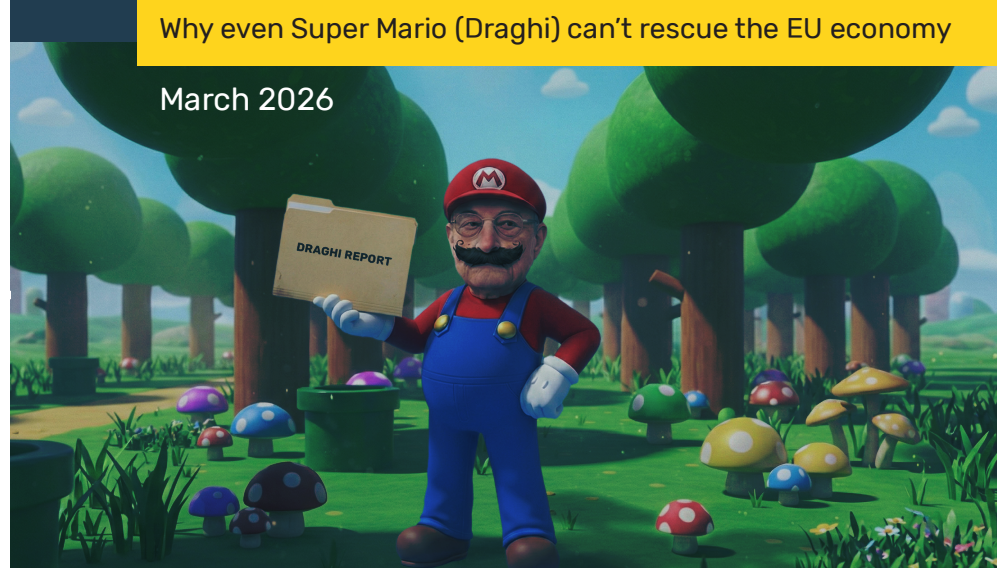
MCC Brussels warns the EU faces a decades-long productivity collapse, not a temporary competitiveness gap. Its new report argues Brussels is misdiagnosing the crisis, relying on subsidies and central planning while ignoring structural issues like low investment, overregulation, and high energy costs—thus risking long-term economic decline.
‘Crude oil prices jumped on international commodity markets. A barrel of West Texas Intermediate (WTI) crude oil rose from around $67 on 27 February to $77.44 on 3 March. Since yesterday, its price has dropped and stabilized at roughly $75–$76. Thus, it seems that the $119-per-barrel crisis seen after the Russian invasion of Ukraine has been averted.’
A man stabbed two people near the Sighthill Primary School in Edinburgh, United Kingdom. After the attack, he barricaded himself inside a nearby building, which led to an eight-hour stand-off with Police Scotland. During the incident, he was photographed smiling through a window.
To celebrate the 15th anniversary of its foundation, the Ludovika University of Public Service is hosting a series of events. At the first of such events, Balázs Orbán spoke of Hungary’s role in the new system of geopolitics, in the midst of the war in Ukraine, ongoing for four years, and the recently erupted war in Iran.
A Puskás Akadémia–Nyíregyháza Spartacus Hungarian league game was paused to let two fasting Muslim players break Ramadan at sunset—an unusual but respectful moment in Hungarian football. Unlike recent incidents in the Premier League, the crowd reacted with quiet acceptance.

A recent Medián poll shows Tisza up 20 points over Fidesz, a 35.5-point shift from the 2024 EP election, more than double the largest EP-general election shift in Hungary (16 points) and nearly eight times the 2022–2024 shift (4.5 points). Will the progressive West use discrepancies between ‘independent pollsters’ and official results to delegitimize Hungary’s election if PM Orbán is reelected?

After losing the first leg 2–1 in Bulgaria, Hungarian champions Ferencváros beat PFC Ludogorets Razgrad 2–0 at home in the play-off, and thus advanced to the Round of 16 in the UEFA Europa League. There, they will face the Portuguese side SC Braga.

At an MCC event in Budapest, a lineup of distinguished speakers—featuring Minister for EU Affairs János Bóka of Hungary—criticized the Court of Justice of the European Union for overstepping its authority and advancing ideological agendas. Panellists and speakers warned that the Court’s expanding role risks undermining national sovereignty and reshaping Europe’s legal order.
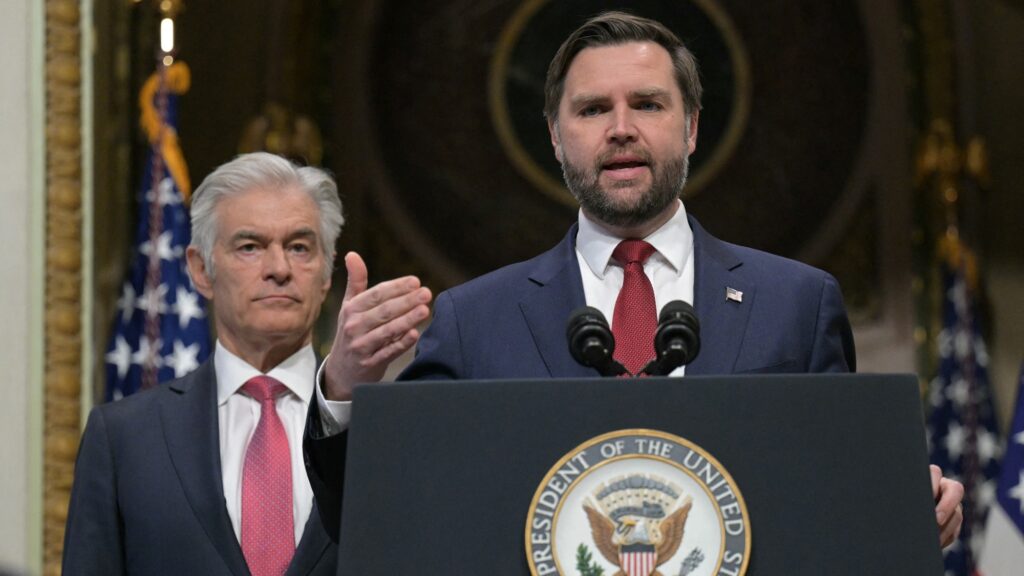
US Vice President JD Vance has been tasked with leading the new ‘War on Fraud’ ininative in the counrty, as President Trump has announced in his State of the Union address. As the first step, Vice President Vance has shared that the federal government will be halting $259.5 millon in Medicaid funds to Minnesota due to concerns over widespread fraud.
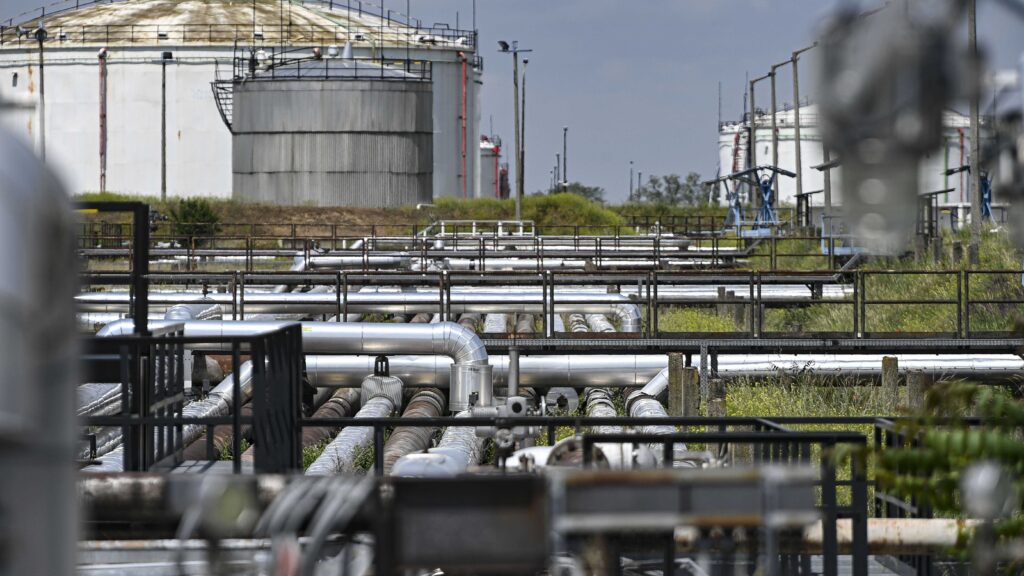
An anonymous EU diplomat source told POLITICO that Brussels will be seeking a compromise with Hungary on the issue of the inoperational Druzhba Pipeline in Ukraine, as opposed to threatening them with more punitive action. According to the piece, the EU leadership is doing so in order to avoid helping PM Orbán of Hungary’s re-election chances in April.

Minister of Culture and Innovation Balázs Hankó of Hungary has announced a major increase in scholarship payments to Hungarian university students. The payments to high-achieving students will be raised by at least 50 per cent at each Hungarian university.
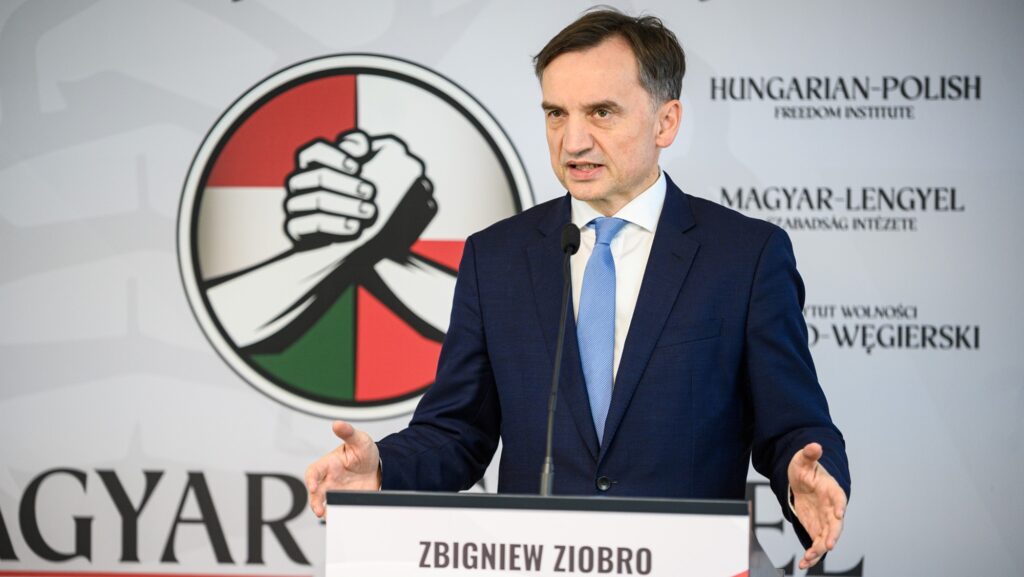
MP and Former Minister of Justice Zbigniew Ziobro of Poland sharply criticized Hungarian prime ministerial candidate Péter Magyar of the Tisza Party after he admitted attending a party where drugs were present. MP Ziobro questioned Magyar’s fitness for leadership and accused him of ignoring the dangers posed by organized crime and addiction.

Judge Tony Graf rejected a motion from the alleged killer of Charlie Krik and his defence team, who had sought to have the death penalty removed from consideration. The defence argued that the prosecution faced a conflict of interest, since one of the prosecutors’ daughters was present at the scene of the assassination.

The Hungarian National Bank (MNB) has announced it is cutting its base interest rate by 25 basis points, from 6.5 per cent to 6.25 per cent. This is the first rate cut by the central bank since September 2024. The positive shift in monetary policy was precipitated by a favourable monthly inflation report for January and strong performance of the national currency forint on the foreign exchange markets.

At the Danube Institute’s most recent event, MEP András László and a panel of experts have discussed how foreign aid agencies, such as the now-dismantled USAID, and ‘quasi-NGOs’ use foreign aid as a front to push a progressive agenda, as opposed to actually helping people in other nations.
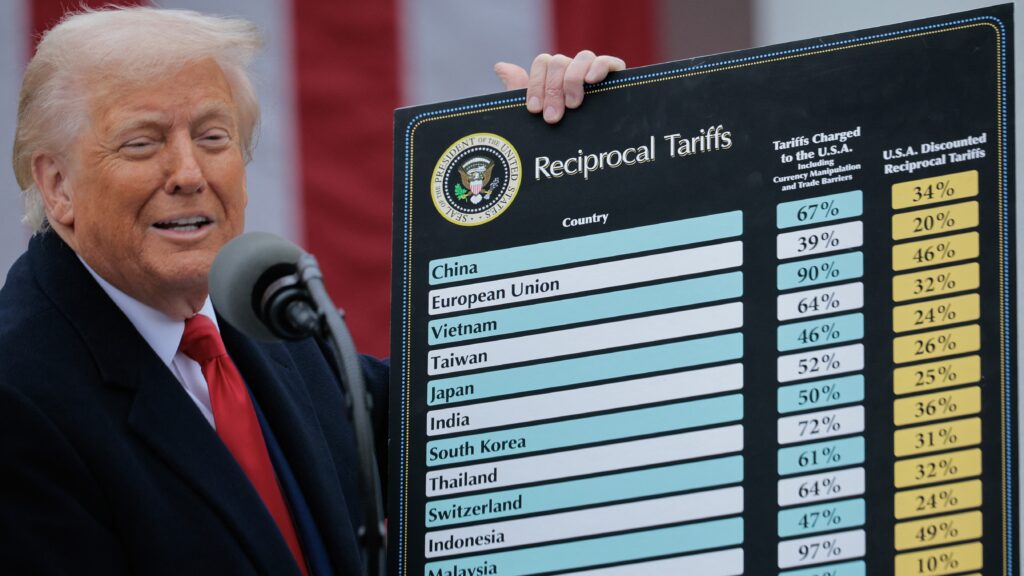
US Markets rose on Friday, after the United States Supreme Court ruled that President Donald Trump does not have unilateral tariff powers under the IEEPA. The ruling casts doubt on recent trade deals and sets up legal battles over roughly $180 billion in tariff revenue collected under the now-invalidated tariff rates.

On the night of 22–23 February, Ukrainian drones hit the Kaleykino oil pumping station near Almetyevsk, Russia. The oil station is a major supplier of the Druzhba pipeline, which transports Russian crude oil to Hungary and Slovakia, further escalating tensions between Budapest and Kyiv. Energy infrastructure in the city of Belgorod, Russia, was also struck by Ukrainian drones on the same night.
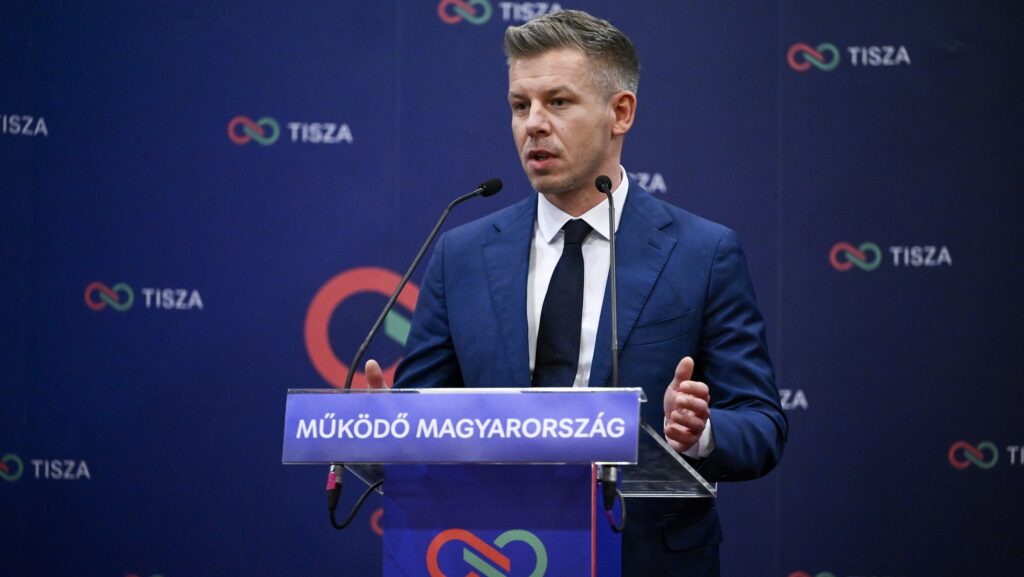
Péter Magyar of the Tisza Party claimed 250,000 signatures were collected on the first day. However, the Center for Fundamental Rights has reached out to Hungary’s National Election Office (NVI) for the official numbers, which revealed that Tisza had collected less than half of the claimed number, 110,000 by 4pm on the first day. By contrast, Viktor Orbán’s Fidesz party collected 196,000 signatures in the same period.
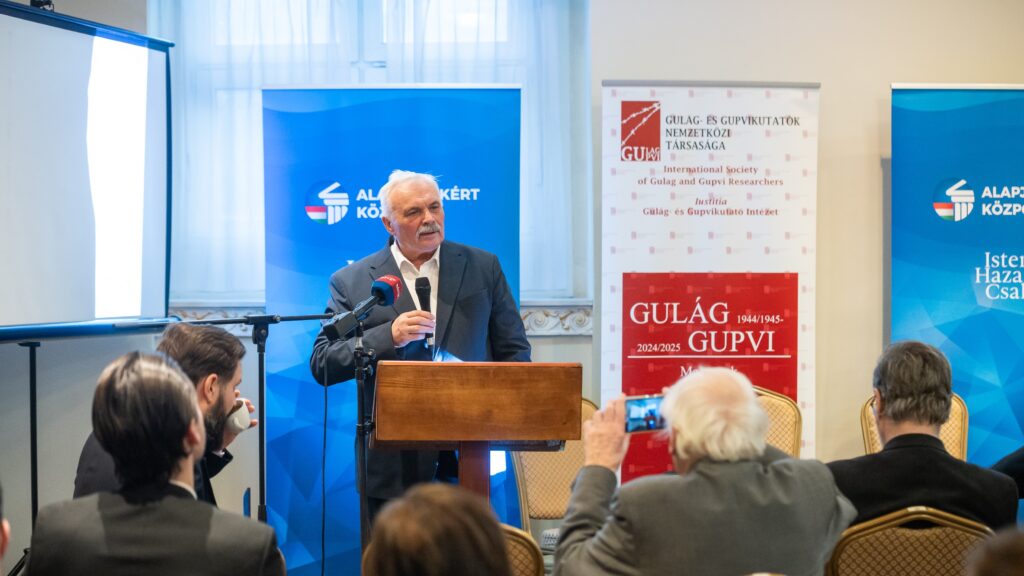
The International Society of Gulag Researchers, with the Transcarpathian Alliance and the Center for Fundamental Rights, hosted the launch of The Human Cost of War, about the relocation of one million Hungarians to Soviet forced labour camps after World War II, known as ‘Malenkiy Robot’. Speakers commemorated the victims and drew parallels with the escalation of the Russo–Ukrainian war.

Brussels has entered a new phase of escalation, transforming support for Ukraine into an automatic political and economic war framework. This trajectory narrows national sovereignty, embeds long-term financial commitments in EU budgets, and shifts Europe’s focus from peace toward sustaining conflict, the Center for Fundamental Rights argues in their new analysis.
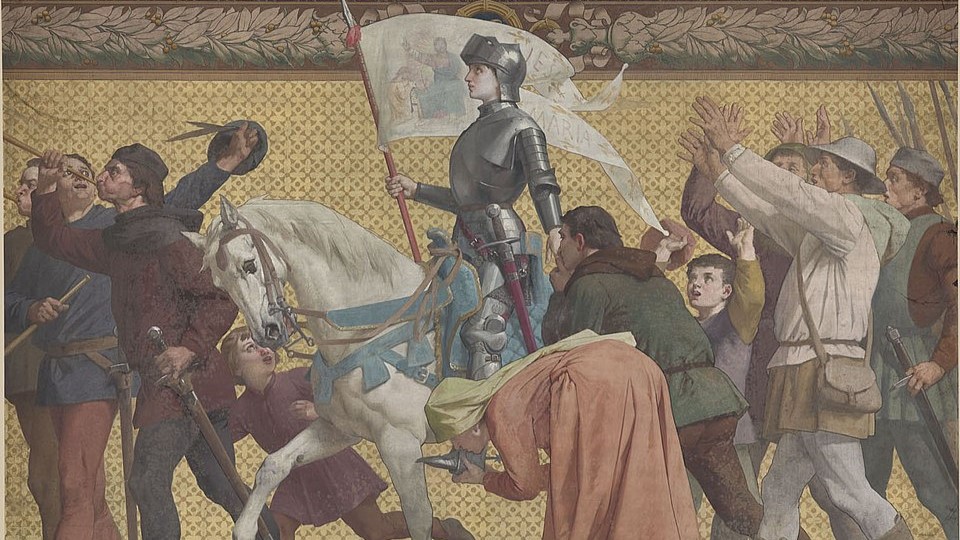
In a new production of George Bernard Shaw’s 1923 play Saint Joan at the Citizens Theatre in Glasgow, United Kingdom, the titular character Joan of Arc is being played by black actress Mandipa Kabana. This is yet another instance of a white historical figure being portrayed by an actor of colour.

US Representative Alexandria Ocasio-Cortez, one of the most recognizable figures of the progressive wing of the Democratic Party, has been mocked for her performance at a panel at the Munich Security Conference. She followed that up by mistakenly claiming that Venezuela was below the Equator during an interview at a Berlin university just a few days later.

Political Director to the Prime Minister of Hungary Balázs Orbán has said in a recent podcast appearance that US Secretary of State Marco Rubio’s visit underscores Washington’s strategic alliance with Hungary, rooted in the strong ties with Prime Minister Viktor Orbán. He argued the US supports Hungary’s success under the current government, while dismissing European criticism of Secretary Rubio’s visit.

At a joint press conference with US Secretary of State Marco Rubio, Prime Minister Robert Fico of Slovakia has claimed that he considers the Ukrainian government’s delay in restarting the Druzhba pipeline ‘political blackmail’ against Hungary to force Budapest into agreeing with Ukraine’s EU accession. The Druzhba pipeline transports Russian crude oil to Europe.

For Presidents Day 2026, here is the continuation of our website’s subjective ranking with five more of the best and five more of the worst Presidents to serve as Commander-in-Chief of the United States.