





A Hungarian national listed among the EU’s most wanted fugitives has been arrested in Mexico, marking a rare cross-continental operation involving Hungarian and Mexican authorities, as officials continue efforts to dismantle international drug trafficking networks.

In his first post-election interview, Fidesz campaign chief Balázs Orbán admitted the scale of the party’s defeat came as a shock, outlining economic pressures and voter realignment as key factors, while signalling the need for a fundamental restructuring of the movement.

Hungarian judoka Szofi Özbas secured gold in the women’s 70 kg category at the European Championships in Tbilisi, successfully defending her title and delivering Hungary’s 20th European championship gold in judo with a dominant and rapid victory in the final.

A 35-year-old Islamic religion teacher is on trial in Germany, accused of sexually abusing at least eight minors over several years in a student dormitory in Baden-Württemberg, in a case involving dozens of alleged offences and serious charges, including rape and bodily harm.

With overseas votes counted in Hungary’s election, the Tisza Party secured 141 mandates after flipping three symbolic Fidesz strongholds—each illustrating a core driver of the broader electoral defeat, including a distorted echo chamber, a breakdown of its rural base, and growing demands for accountability.

Formal preparations for the inaugural session of Hungary’s new National Assembly began on 17 April, as delegations from the Tisza party, Fidesz–KDNP, and Our Homeland held what they described as ‘constructive and pragmatic’ talks on parliamentary structures, marking the first cross-party negotiations following the 12 April vote. The inaugural session could potentially be held on 9 May.

French police have arrested a 19-year-old Afghan migrant accused of carrying out a series of brutal sexual assaults on animals at an educational farm near Marseille, where several sheep and goats were found tied up and seriously injured, with prosecutors citing DNA evidence linking him to the crimes.

‘In order to get the Popular Vote Compact into effect, multiple swing states of today would need to join as well.’
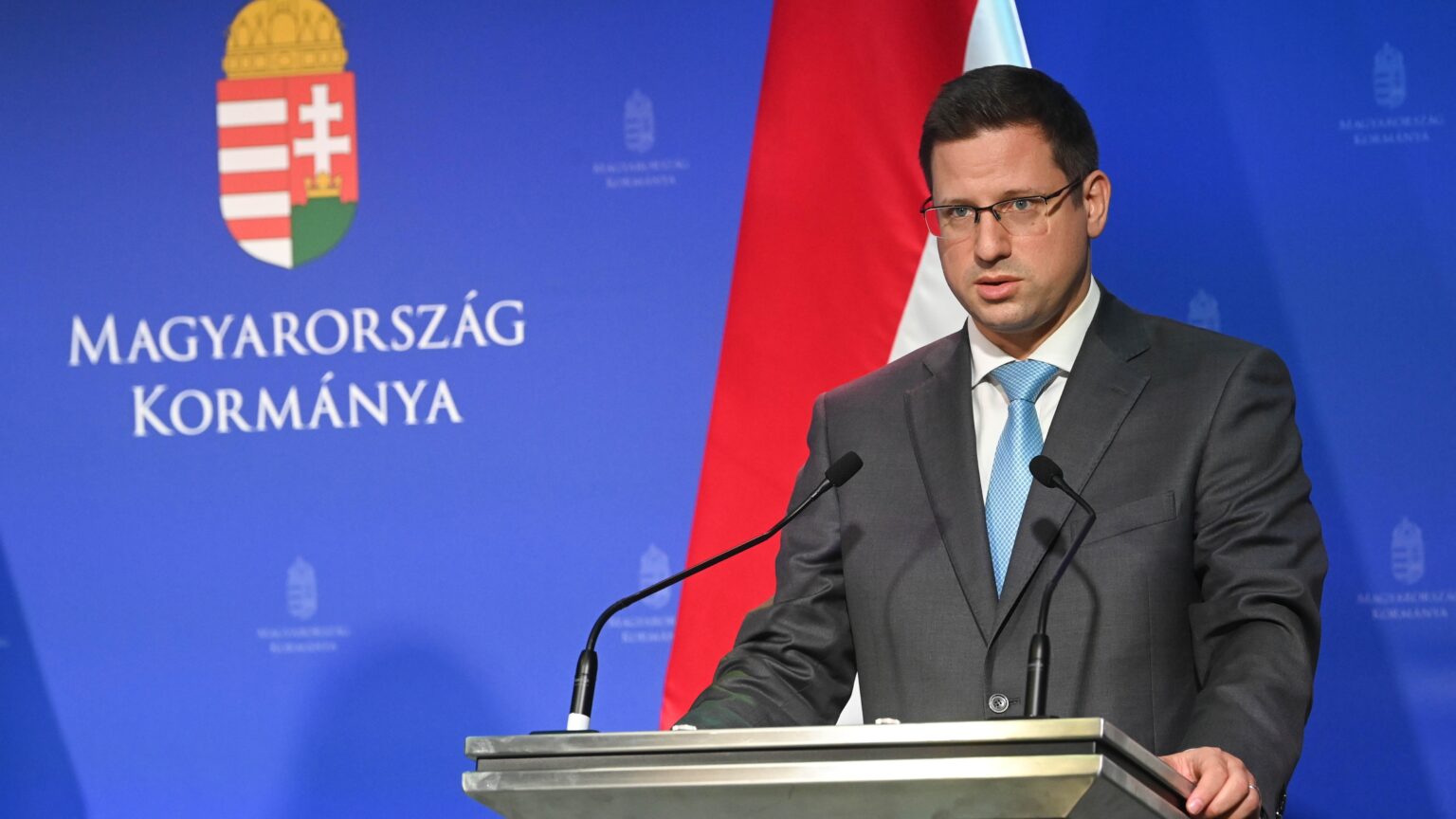
Hungary’s outgoing governing alliance Fidesz–KDNP entered the election believing it would win, based on internal polling that proved deeply inaccurate and misleading, according to Minister Gergely Gulyás, who acknowledged the gap between expectations and reality.
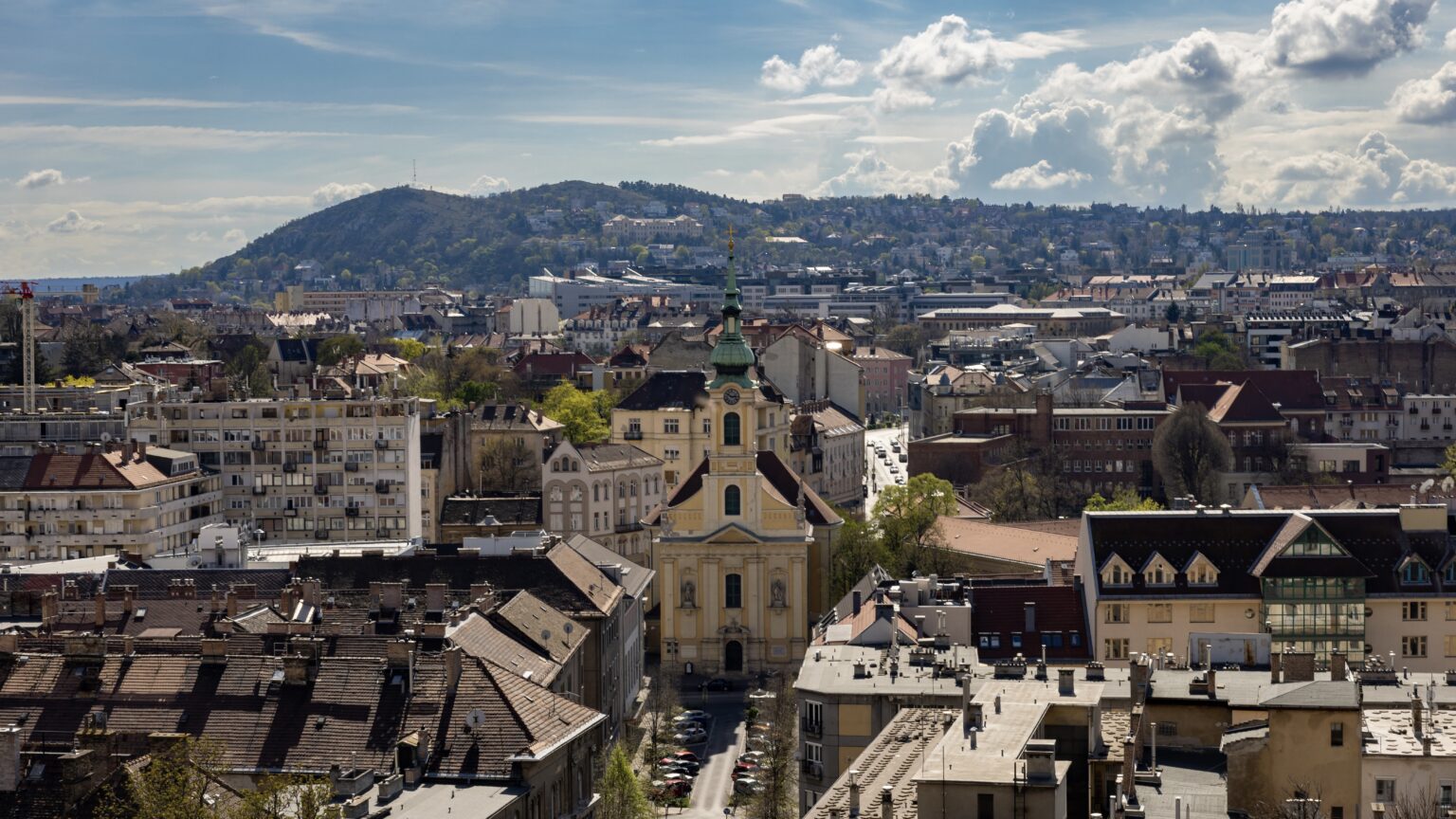
Hungary’s incoming government will temporarily maintain fuel price caps and retail margin limits introduced by the previous administration, signalling a cautious approach to economic transition amid ongoing energy market uncertainty.
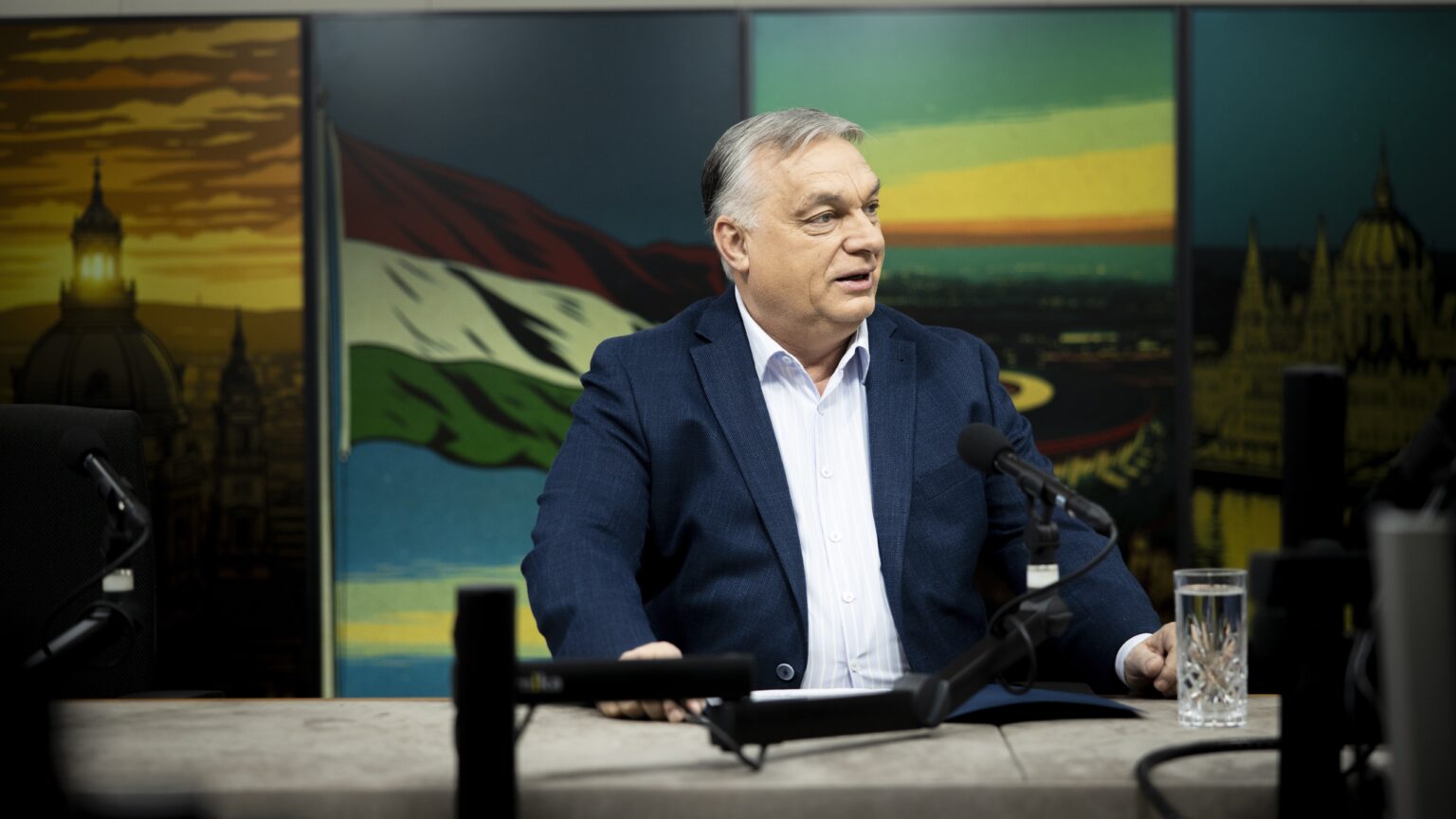
Hungarian Prime Minister Viktor Orbán acknowledged a clear electoral defeat and called for a full renewal of the country’s right-wing political community, signalling the end of an era and the need for major changes within Fidesz.

The European Commission is visiting Budapest on Friday to discuss over €30 billion in frozen funds with Péter Magyar’s incoming government, as Hungary races to meet strict EU conditions by August. The 27 ‘super milestones’ were long rejected by outgoing prime minister Viktor Orbán as an attack on sovereignty.

Prime Minister-elect Péter Magyar of Hungary has pledged to move Hungary’s PM office from the Carmelite Monastery, breaking with Viktor Orbán’s legacy, despite being formerly aligned with the Fidesz party. The new headquarters will be near Parliament, signaling a symbolic shift away from Buda Castle governance.

Armed Romanian police and gendarmes entered a Catholic church in Oradea during a Hungarian-language Mass to enforce an eviction order, triggering a standoff with clergy and worshippers. The leader of the Hungarian hard right Our Homeland party, present at the scene, criticized both the outgoing and incoming governments—occupied with the post-election political transition—for not reacting.
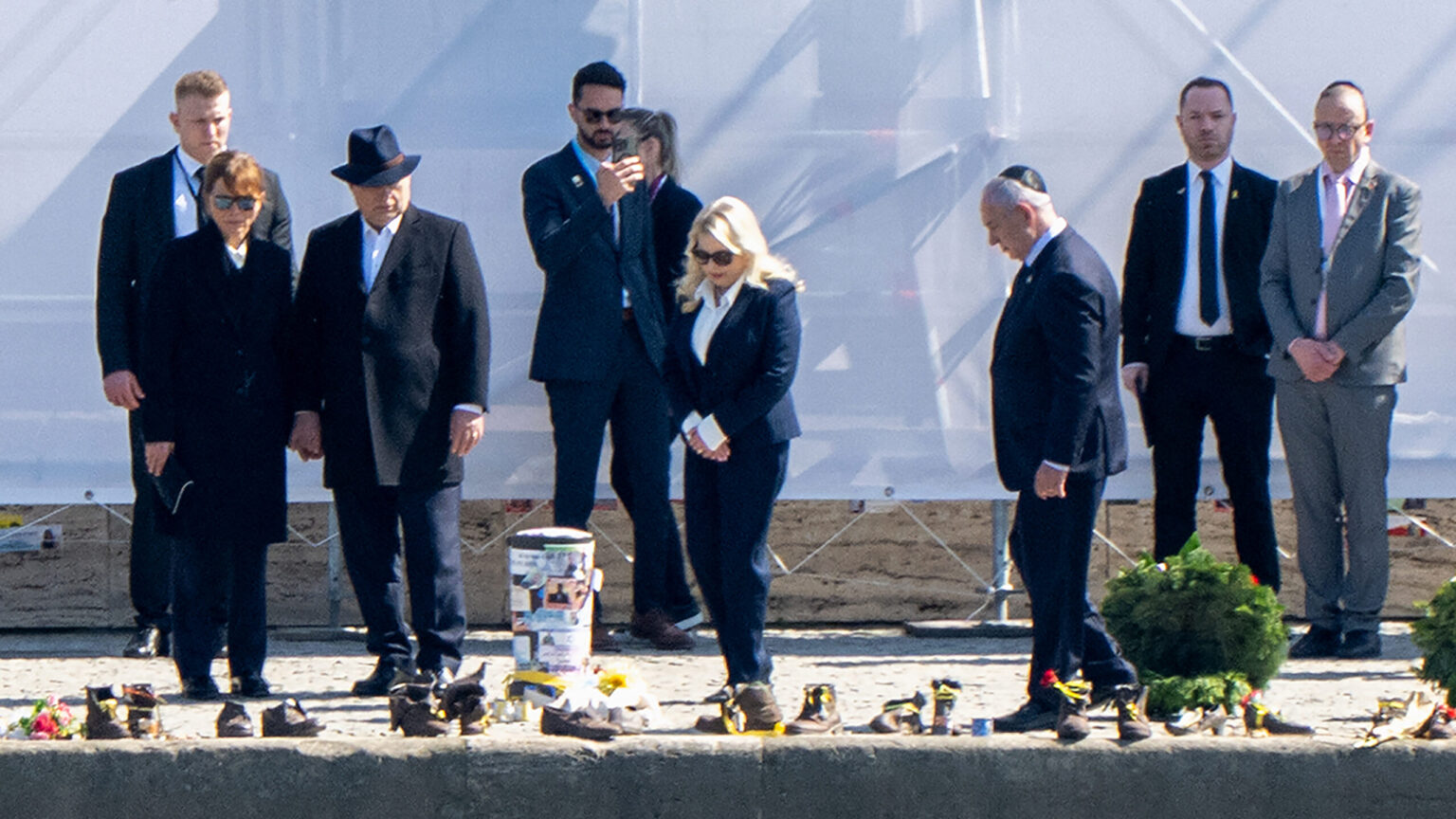
Hungarian prime minister-elect Péter Magyar has invited Israeli Prime Minister Benjamin Netanyahu to Budapest, setting up an early foreign policy test that could place his incoming government at the intersection of EU expectations, ICC obligations, and Hungary’s traditionally close ties with Israel.

The 14th European Remembrance Symposium in Bratislava, Slovakia, on 27–29 May 2026, will explore how collective memory is shaped and weaponized in today’s geopolitical climate. Bringing together an illustrious line-up of experts, the event examines disinformation, identity, and the role of historical narratives in modern political conflict.

Hungarian financial markets responded positively to the election result, with the forint strengthening and investor sentiment improving. However, rising geopolitical tensions linked to Iran and energy prices continue to pose risks, as policymakers and experts highlight the potential stabilizing role of euro adoption.

The European Commission is set to launch an age verification app aimed at limiting children’s access to social media, as European countries intensify efforts to improve online safety.

Viktor Orbán will reportedly skip his final European Council summit, scheduled for 23–24 April, closing a 16-year chapter defined by repeated clashes with Brussels and the extensive use of veto power that reshaped Hungary’s role within the European Union.
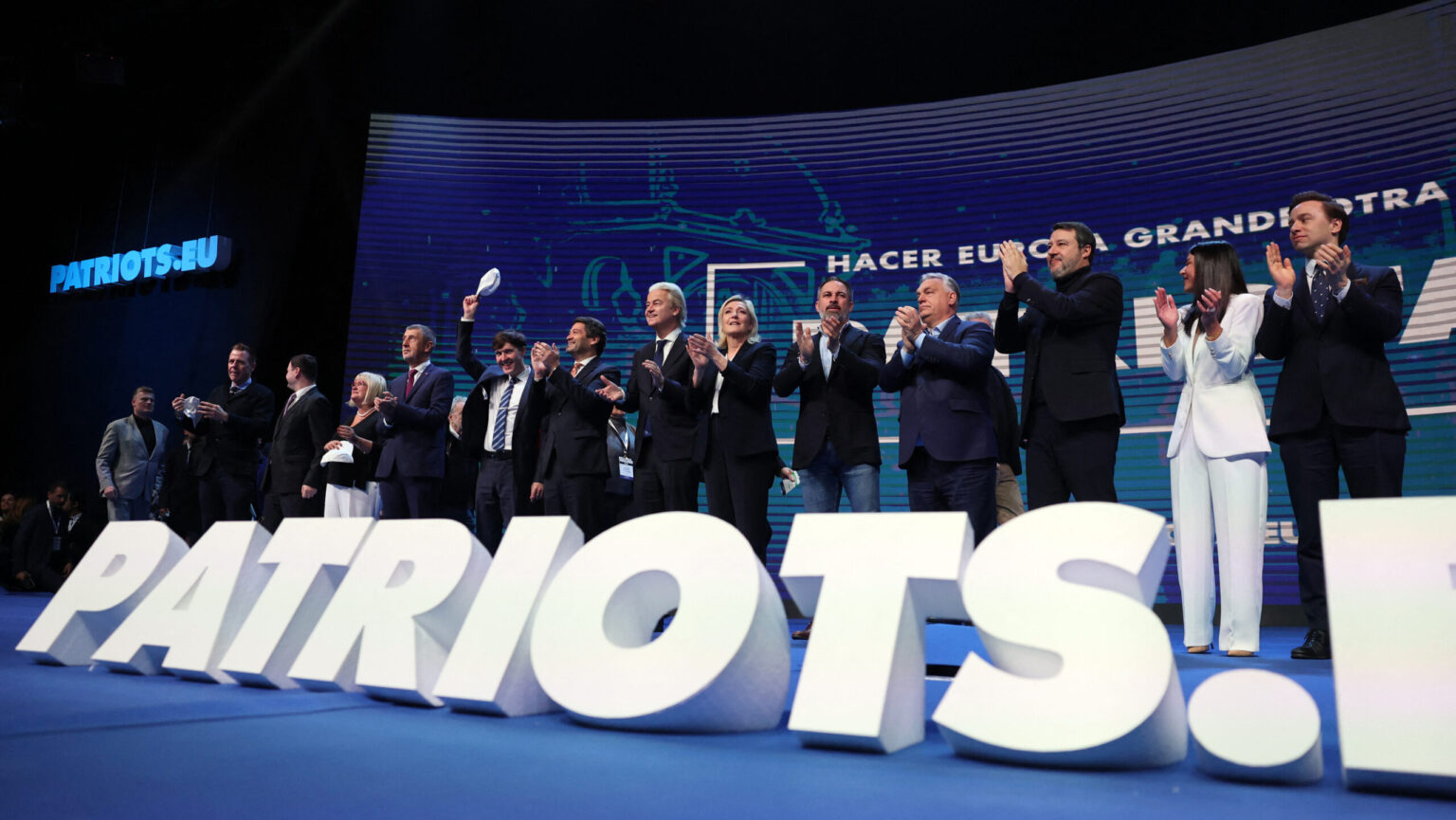
‘The Patriots Group expresses its support for Fidesz and Viktor Orbán and underlines the importance of defending national sovereignty and conservative values in Europe…The Patriots Group is more united than before and determined to intensify its efforts, committing to continue and strengthen the political struggle for sovereignty, prosperity, and freedom for all European nations.’

Hungarian President Tamás Sulyok has formally tasked prime minister-elect Péter Magyar with forming the country’s next government after the Tisza Party’s landslide victory, as the incoming leader escalated political tensions by calling on the head of state to resign and signalling a broader institutional overhaul.

Johnny Somali, the infamous American ‘nuisance streamer’ wreaking havoc in South Korea, after an international legal saga spanning over a year, has at last been sentenced to six months in prison with labour and 20 days of detention in jail.
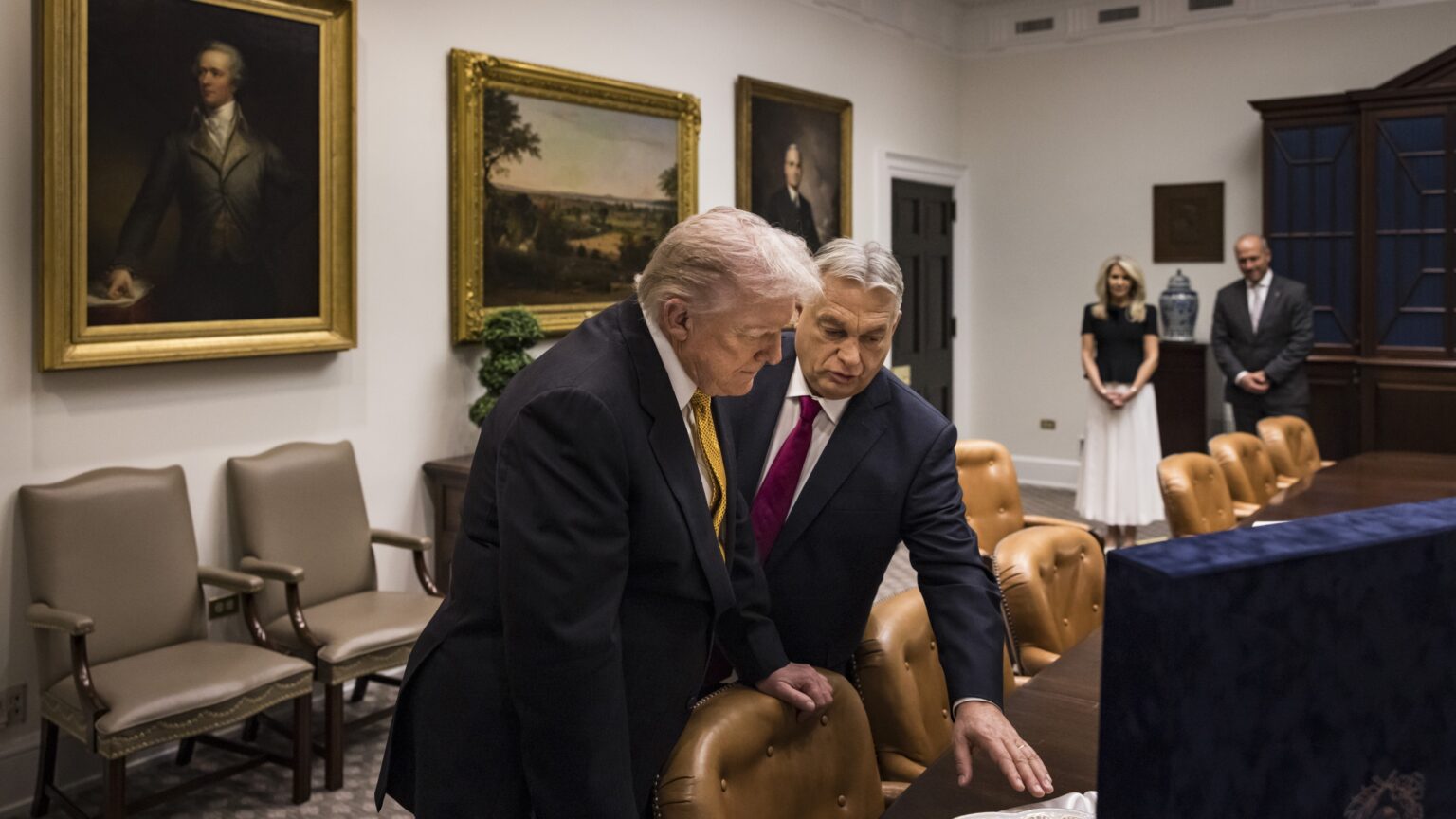
In his first remarks after Hungary’s election, Donald Trump praised Viktor Orbán’s hardline immigration policy, saying he ‘didn’t let people come in and ruin his country,’ while signalling openness to Hungary’s incoming leadership. Moscow struck a similar tone, welcoming Péter Magyar’s readiness for ‘pragmatic dialogue’, with Kremlin spokesman Dmitry Peskov stating that Orbán was ‘never our friend.’

For the first time since 4 March, the primary American stock index, Dow Jones, closed the trading day up year-to-date. This was due to crude oil prices falling after news of renewed US–Iran peace talks and reduced demand, as well as a very favourable wholesale inflation report in the United States.
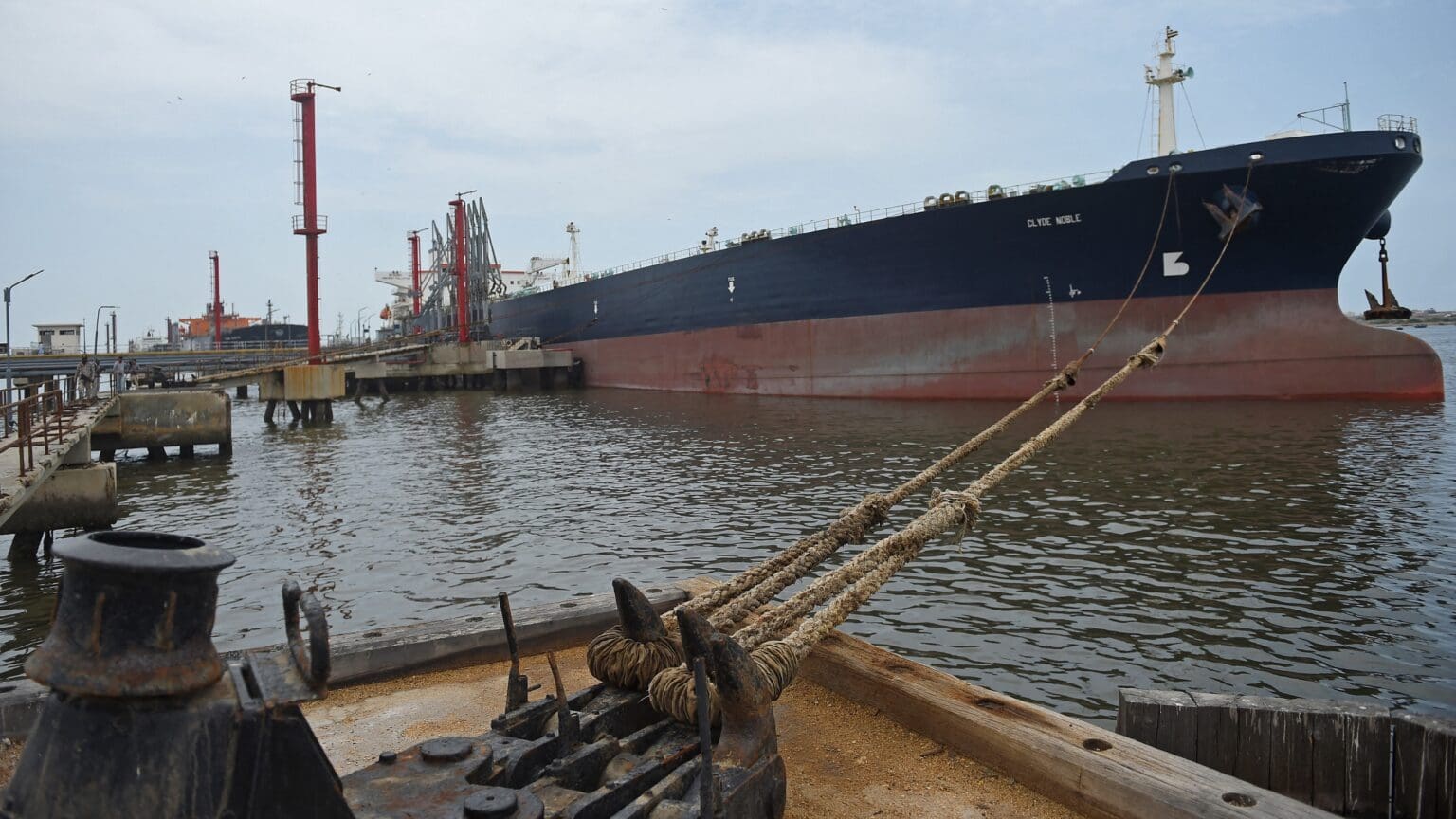
The European Union is preparing measures to cut electricity taxes and accelerate clean energy investment to protect consumers from rising oil and gas prices caused by the Iran war.
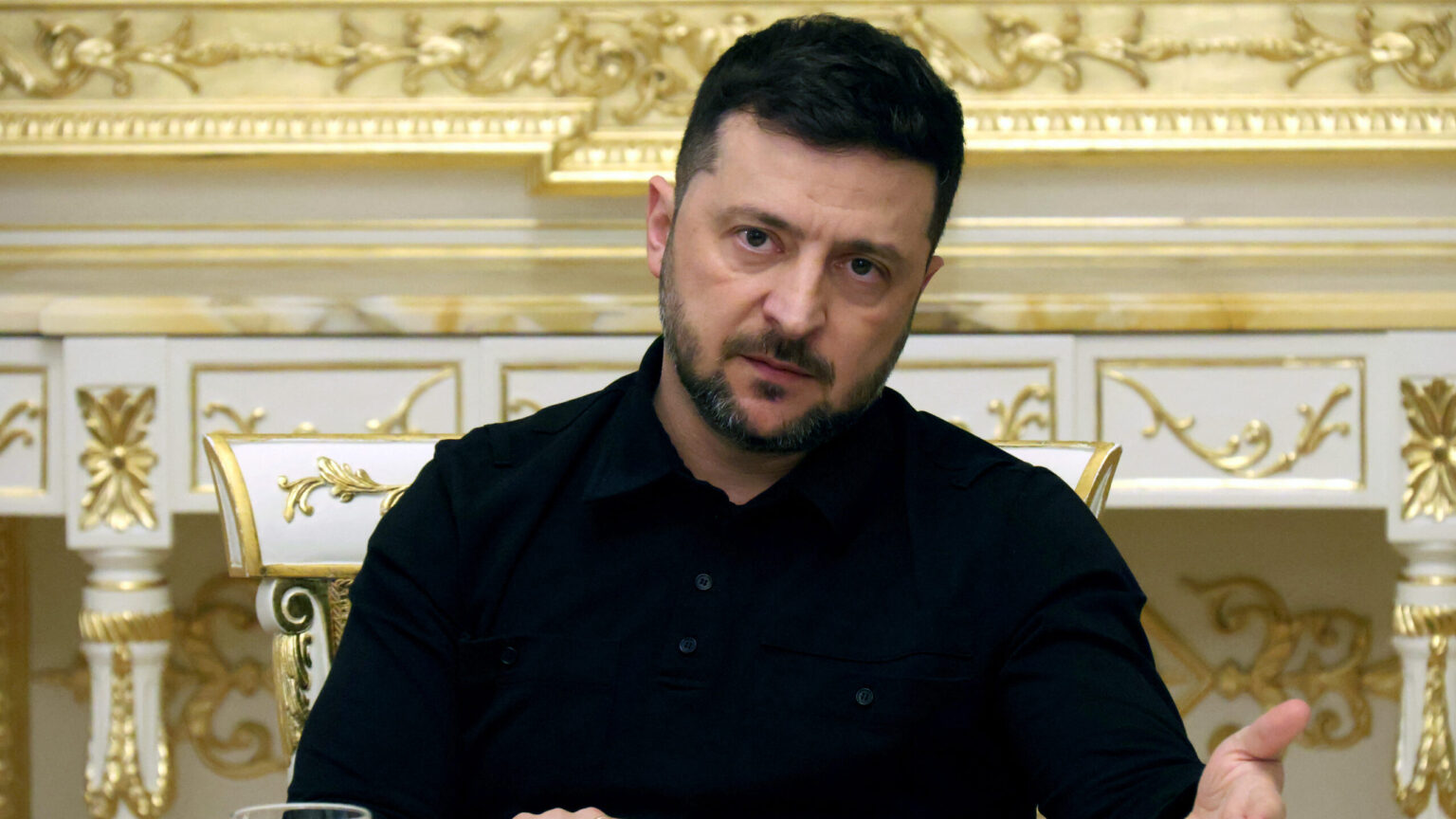
Ukrainian President Volodymyr Zelenskyy said the Druzhba pipeline could resume operations by the end of April, linking its restart to Hungary lifting its veto on a €90 billion EU loan to Kyiv. Viktor Orbán has previously accused Ukraine of halting transit for political reasons to support his opposition during the election campaign, which resulted in Fidesz–KDNP’s defeat.

Project Hail Mary has emerged as the highest-grossing film of 2026. The author of the book on which it is based, Andy Weir, highlighted the lack of political messaging in his work in an interview with Will Jordan of The Critical Drinker YouTube channel.

During his international press conference, Hungary’s prime minister-elect Péter Magyar outlined a foreign policy strategy that partly echoes Viktor Orbán’s positions on migration and Russian energy, while pledging closer ties with the EU, a reset in relations with Ukraine, and anti-corruption reforms.

‘This enormous mobilization of the population should be the final nail in the coffin of the increasingly desperate narrative, favoured by EU elites and the Brussels media, that Orbán was a dangerous autocrat who had built an anti-democratic system. Orbán remained a democrat to his core.’
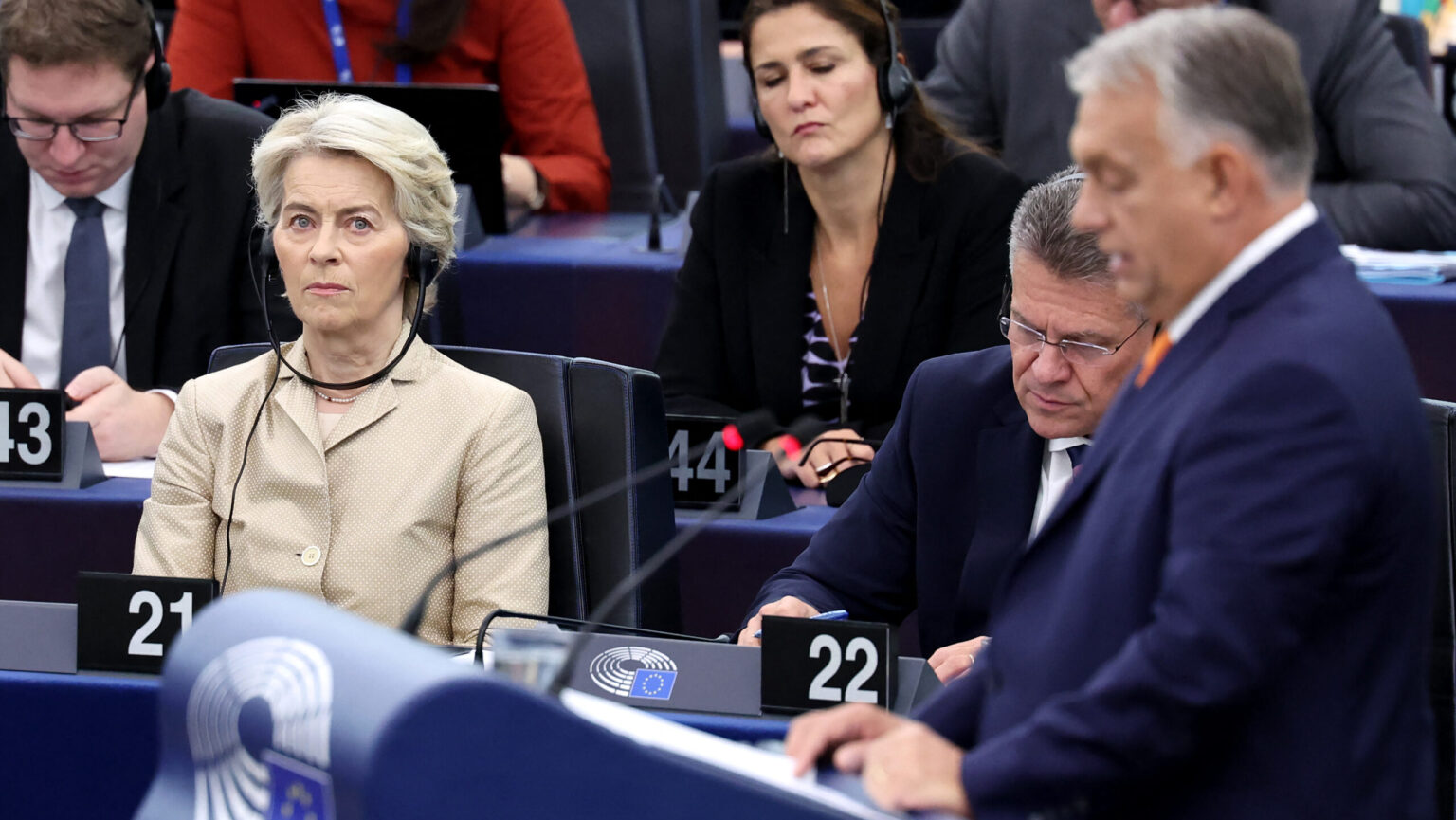
Just hours after Viktor Orbán’s electoral defeat, Ursula von der Leyen urged the EU to scrap the national veto in foreign policy decision-making, advocating a shift to qualified majority voting. The move targets what she described as ‘systemic blockages’ on sanctions and funding for Ukraine.
At a time when public debate is increasingly polarized and superficial, Hungarian Conservative remains committed to depth and independent thought.
Donate Now
Please consider supporting our mission.