


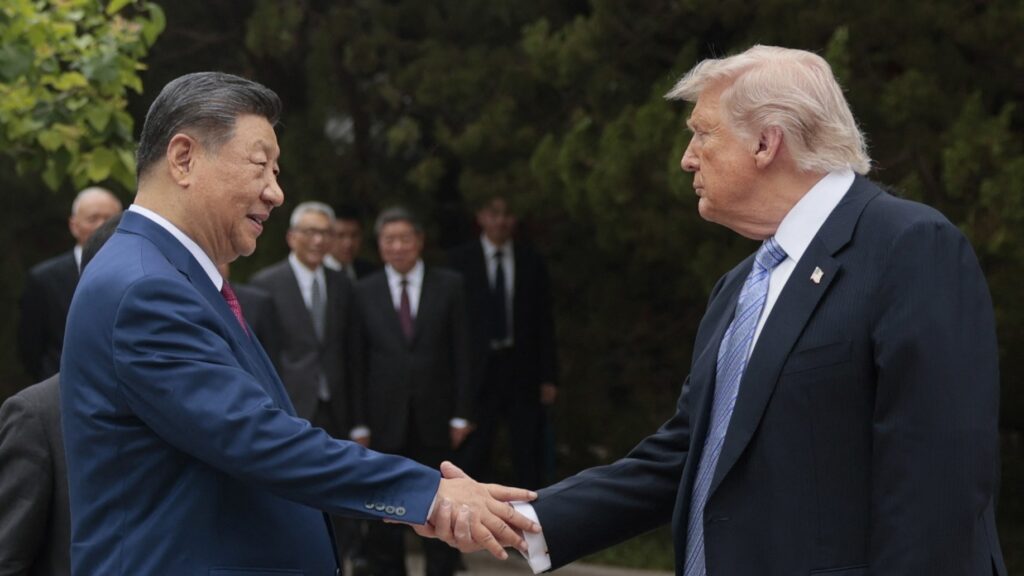



Graphics card shortages and rising prices are expected to continue as Nvidia warns that supply constraints tied to the global memory shortage could affect gaming hardware availability well into the coming year.
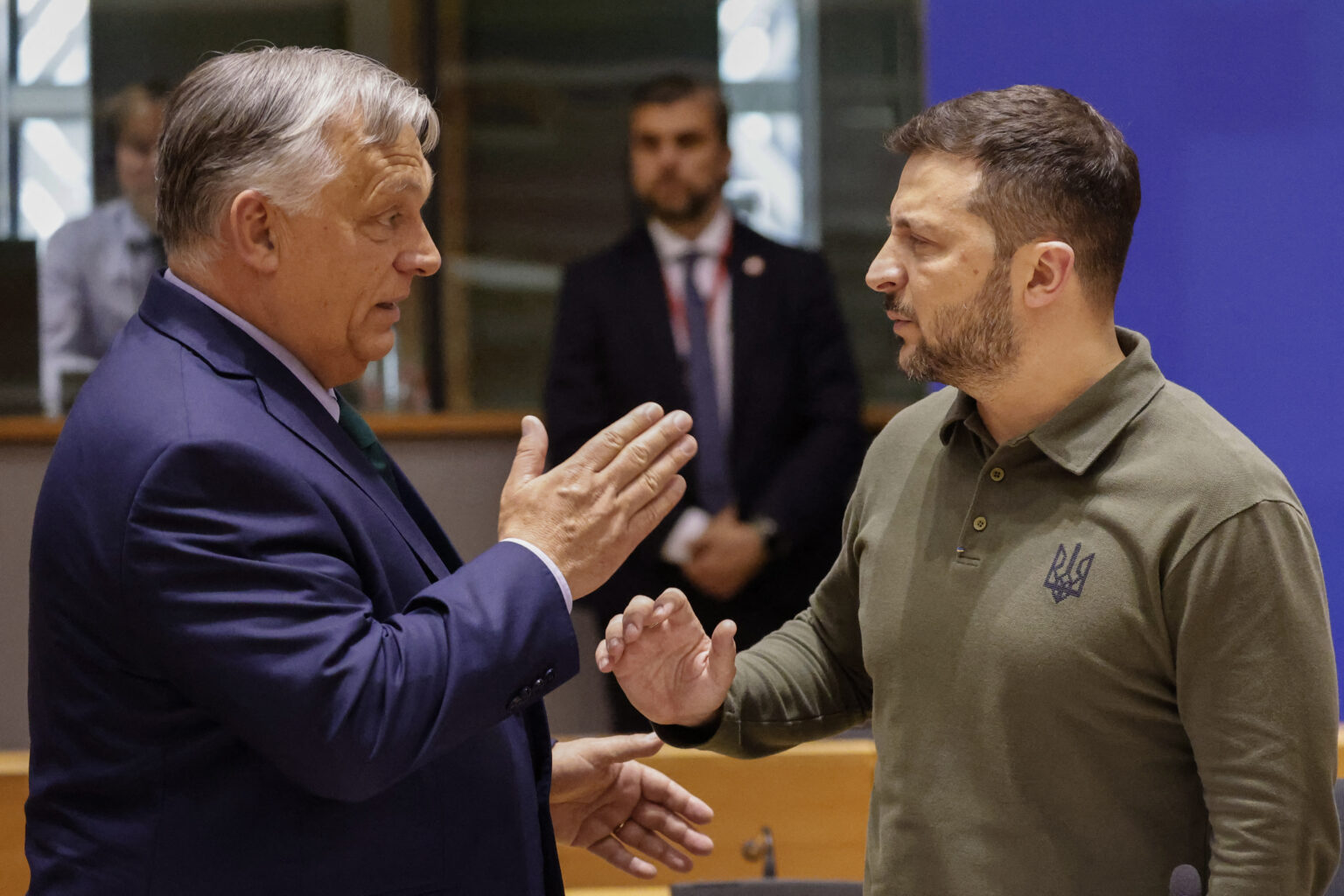
Ukrainian President Volodymyr Zelenskyy has openly weighed in on Hungary’s upcoming parliamentary election, expressing confidence that Viktor Orbán will be defeated and that relations can then be ‘normalized’.
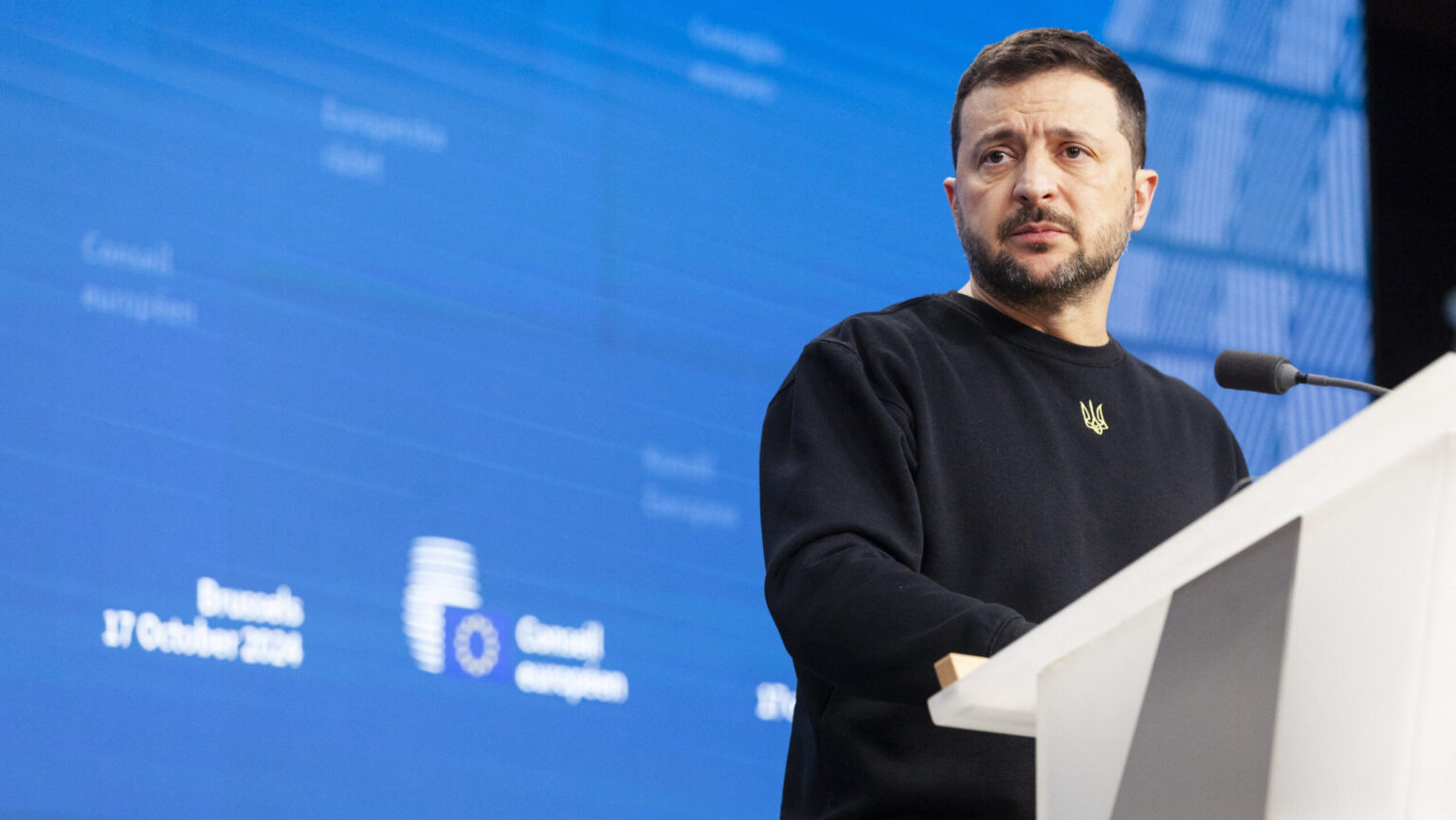
Volodymyr Zelenskyy bluntly claimed that Ukraine has no intention whatsoever of restarting oil transit through the Druzhba pipeline, placing Hungarian and Slovak energy security in serious jeopardy. Viktor Orbán responded by calling on the European Commission to enforce treaty obligations on Kyiv.
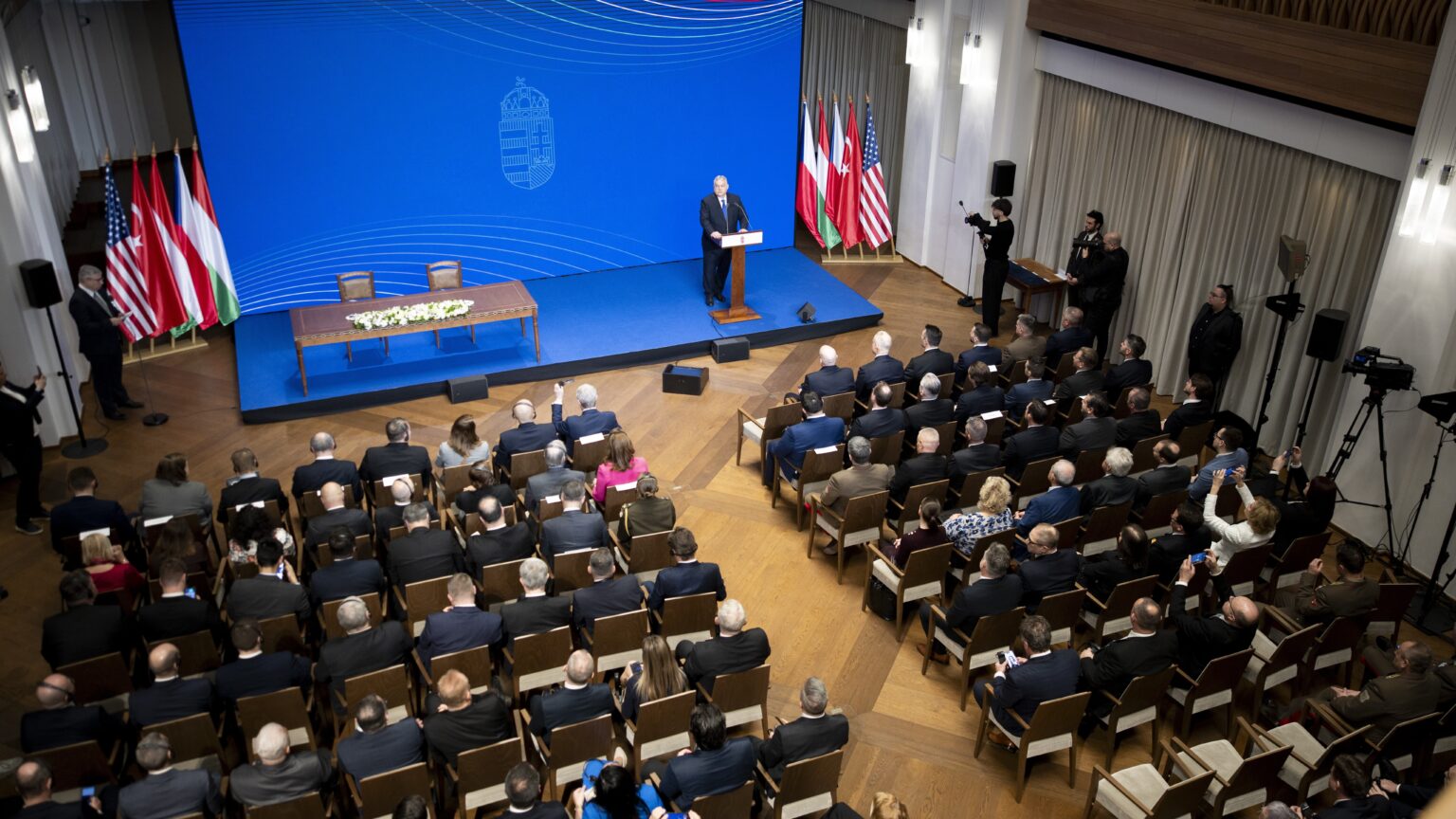
Hungarian Prime Minister Viktor Orbán said Central European cooperation is essential for strengthening regional industry and security, as Hungarian and Czech defence companies announced a long-term strategic partnership in Budapest.
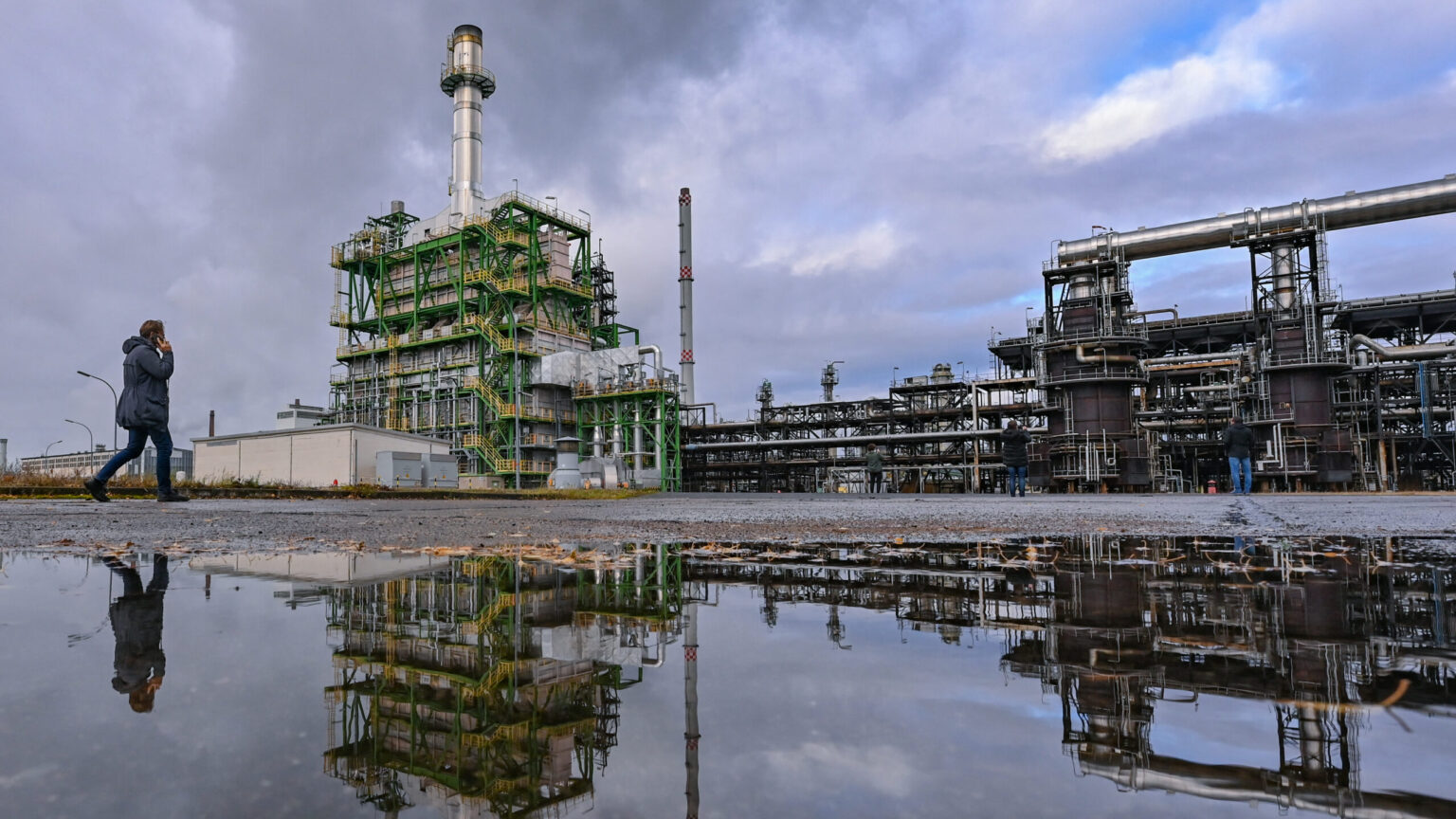
According to a recently published HIIA analysis, EU sanctions on Russian energy have already contributed to 5.4 million job losses, with long-term risks exceeding 30 million positions. The report highlights surging energy prices, weakened industrial competitiveness, and mounting economic strain across Europe.

Eötvös Loránd University has launched a flagship artificial intelligence programme aimed at expanding research, education and innovation, as officials say Hungary already ranks among the world’s top users of AI technology.
‘So long as Hungarian voters understand the magnitude of the problems facing their country, they will no doubt see the wisdom of entrusting leadership to experienced managers like Fidesz rather than amateur upstarts like Tisza, who have already shown themselves willing to allow the Druzhba pipeline to be weaponized simply to win an election.’
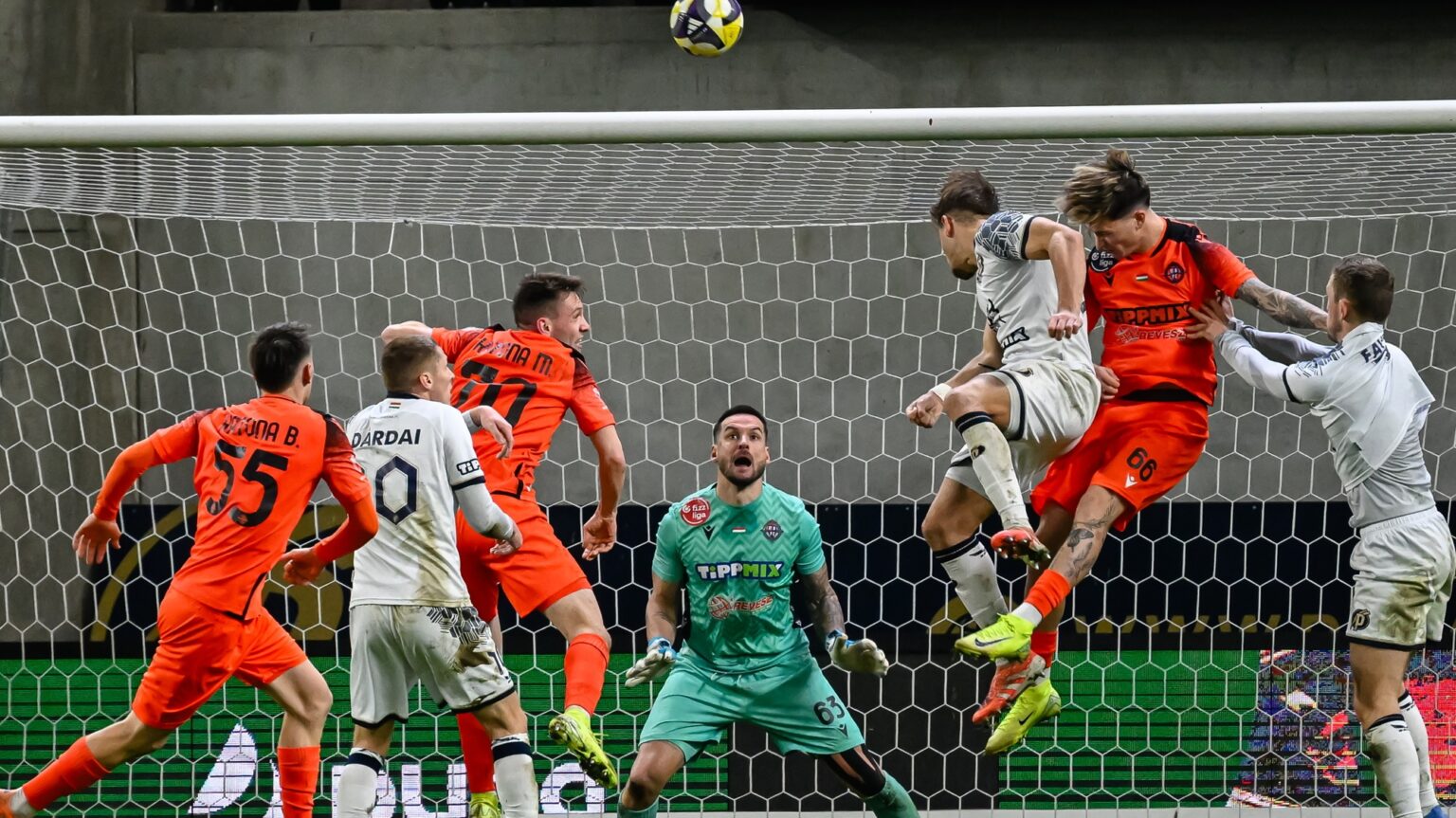
A Puskás Akadémia–Nyíregyháza Spartacus Hungarian league game was paused to let two fasting Muslim players break Ramadan at sunset—an unusual but respectful moment in Hungarian football. Unlike recent incidents in the Premier League, the crowd reacted with quiet acceptance.

As global energy markets spiral in the wake of the crisis in Iran, Hungary faces a compounded challenge just weeks before its parliamentary election, with Ukraine’s blockade of the Druzhba pipeline threatening supply stability. The timing is politically charged, placing energy security at the centre of the campaign.
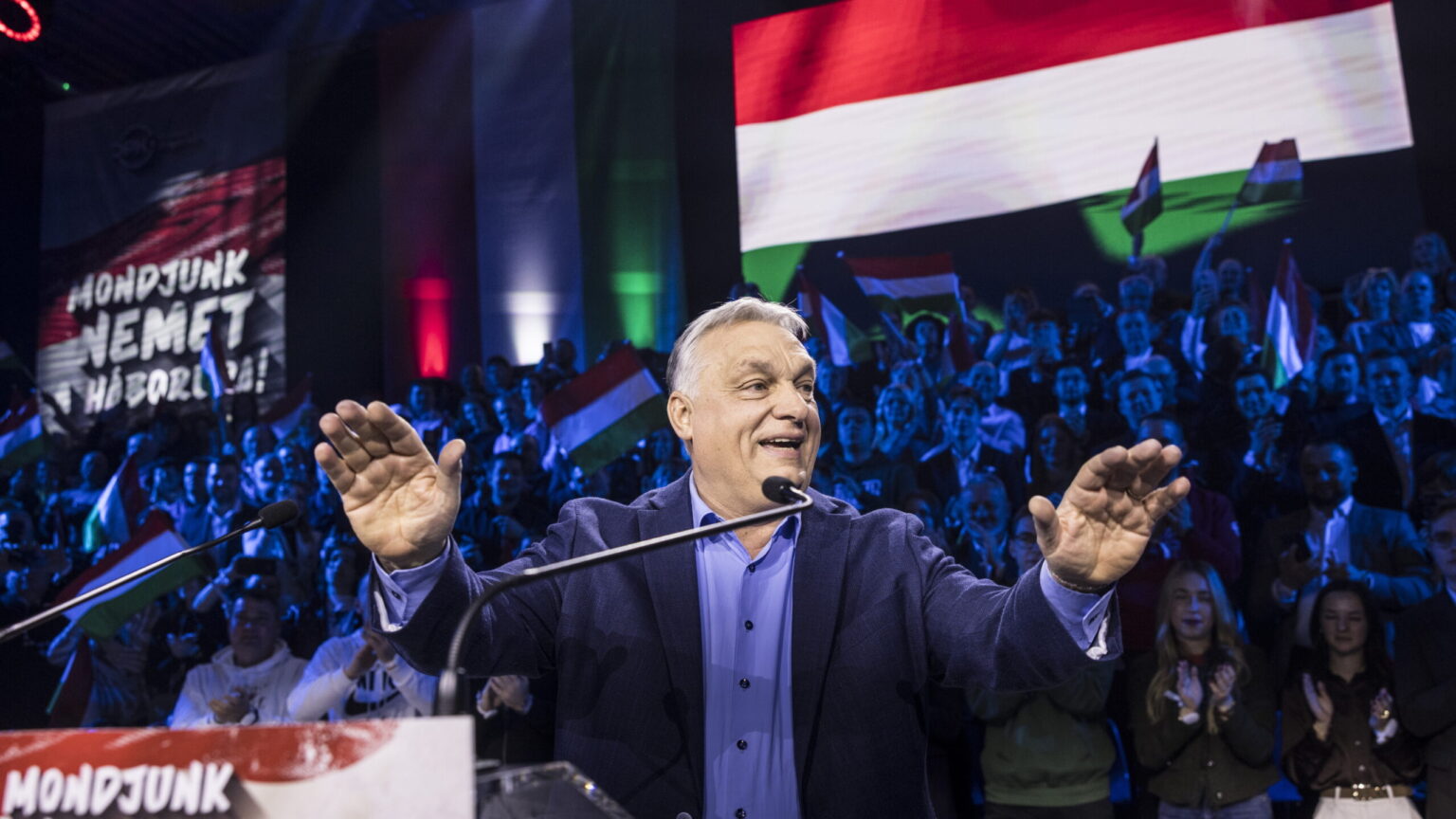
A bizarre opinion piece published by The Telegraph claims that Hungarian Prime Minister Viktor Orbán is preparing for a coup in the event of an electoral defeat, relying on speculative arguments and political assumptions rather than verifiable facts. The article, authored by former opposition MP Zoltán Kész, reflects a broader pattern of narratives seeking to delegitimize Hungary’s democratic process while simultaneously preparing the ground for a possible electoral defeat in April.
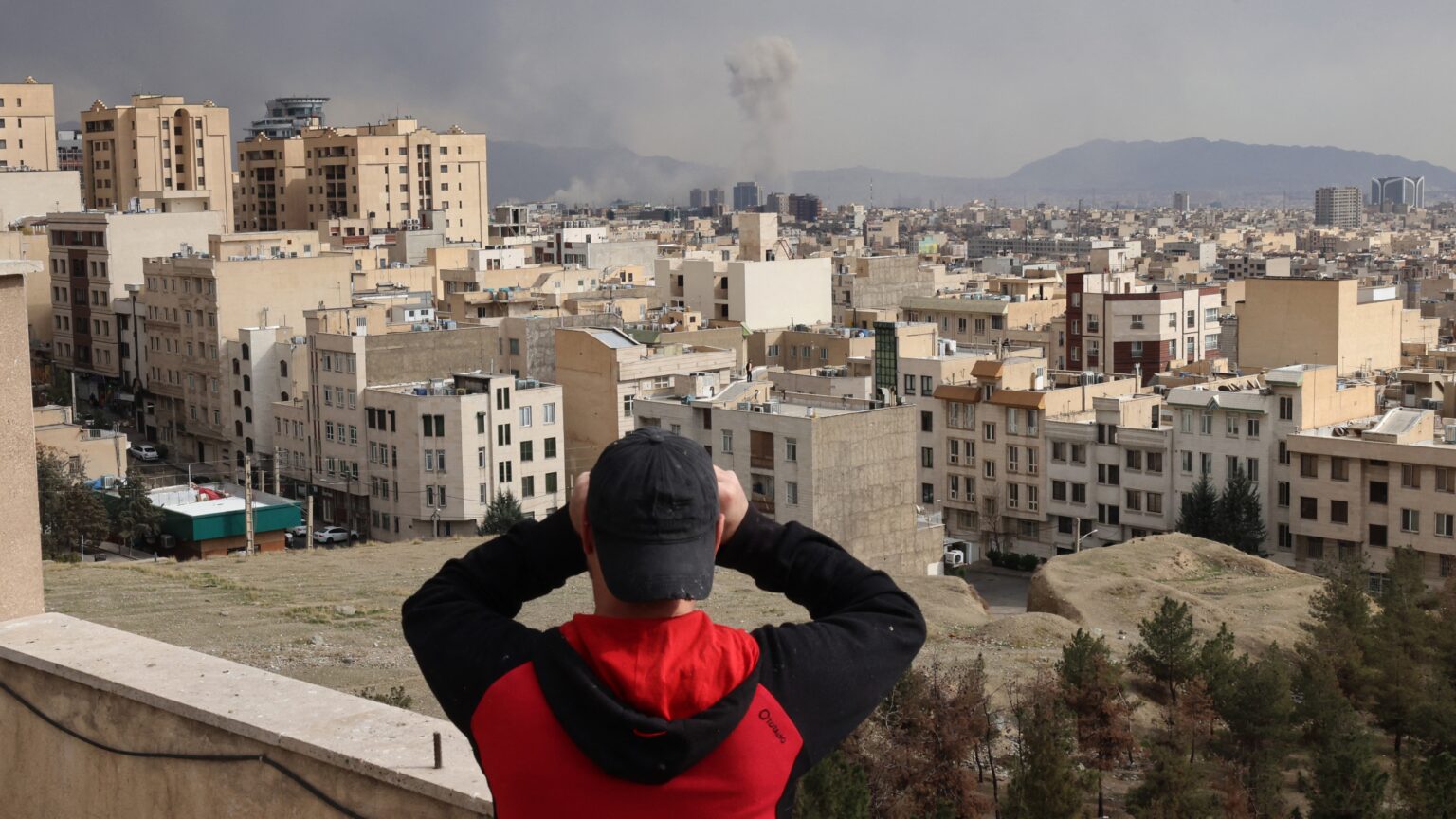
‘In the longer term, an Iran that is preoccupied with its own severe domestic problems—trying to avoid elite fragmentation and consolidate new leadership, or even move toward a more consultative system with less clerical influence and more power sharing—will lack the energy and resources to meddle in the region.’

Hungarian Prime Minister Viktor Orbán said satellite imagery shows the Druzhba oil pipeline is operational and urged Ukrainian President Volodymyr Zelenskyy to immediately restart oil shipments and allow international inspectors.
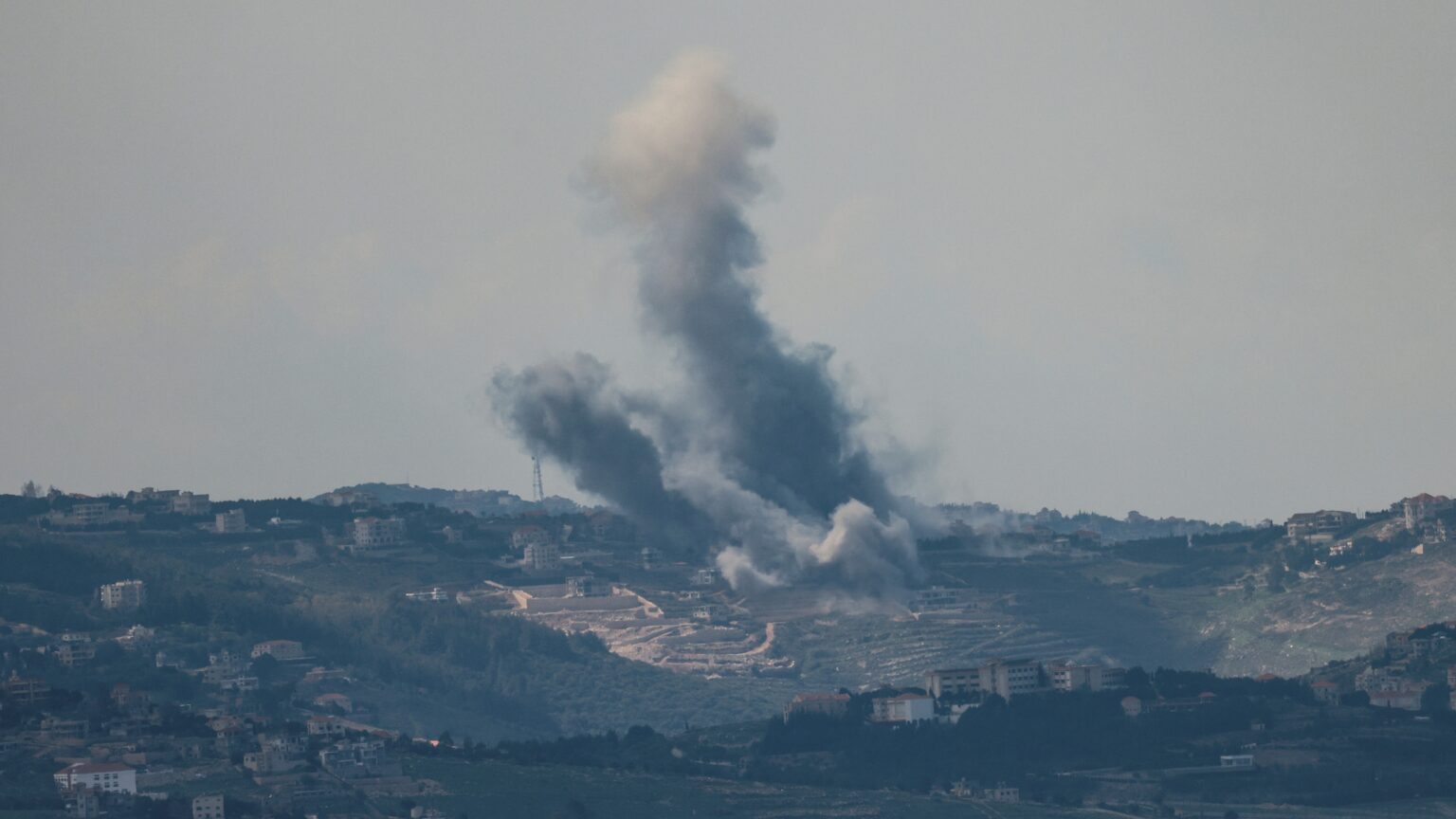
A new analysis warns that the war involving Iran could spark a prolonged migration crisis and increased security risks in Europe, as economic collapse and instability push millions of people to consider leaving the region.
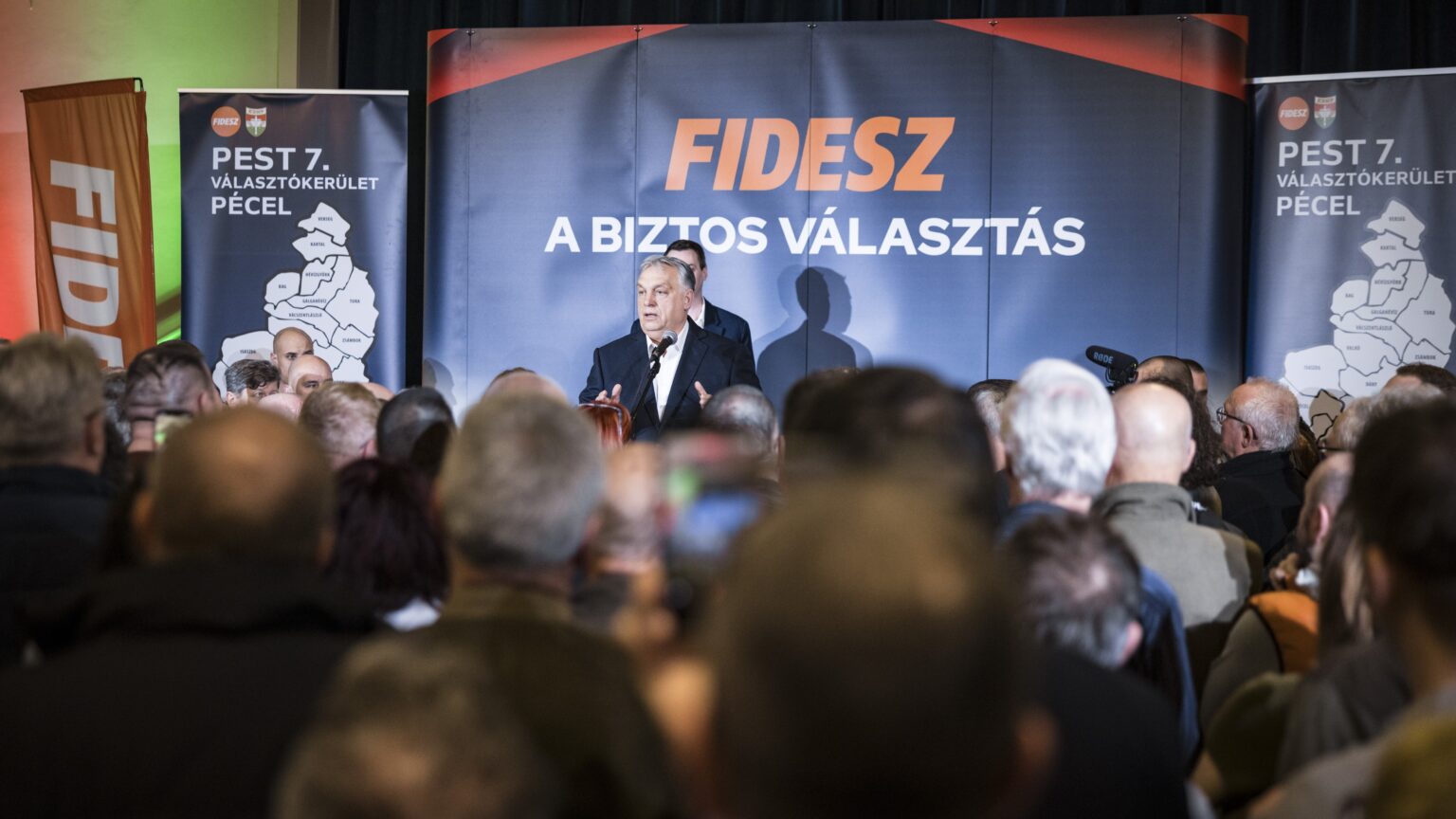
Balázs Orbán, political director to Prime Minister Viktor Orbán, said the first week of Hungary’s election campaign took place amid an alleged Ukrainian oil blockade and rising Middle East tensions, while claiming Fidesz had taken an early lead in signatures and polling.

Social media platform X recorded its highest-ever usage over the weekend following the US–Israeli strikes on Iran, Elon Musk announced. The surge was driven by a flood of real-time footage and analysis, as the platform once again became a central hub for tracking rapidly unfolding military developments.
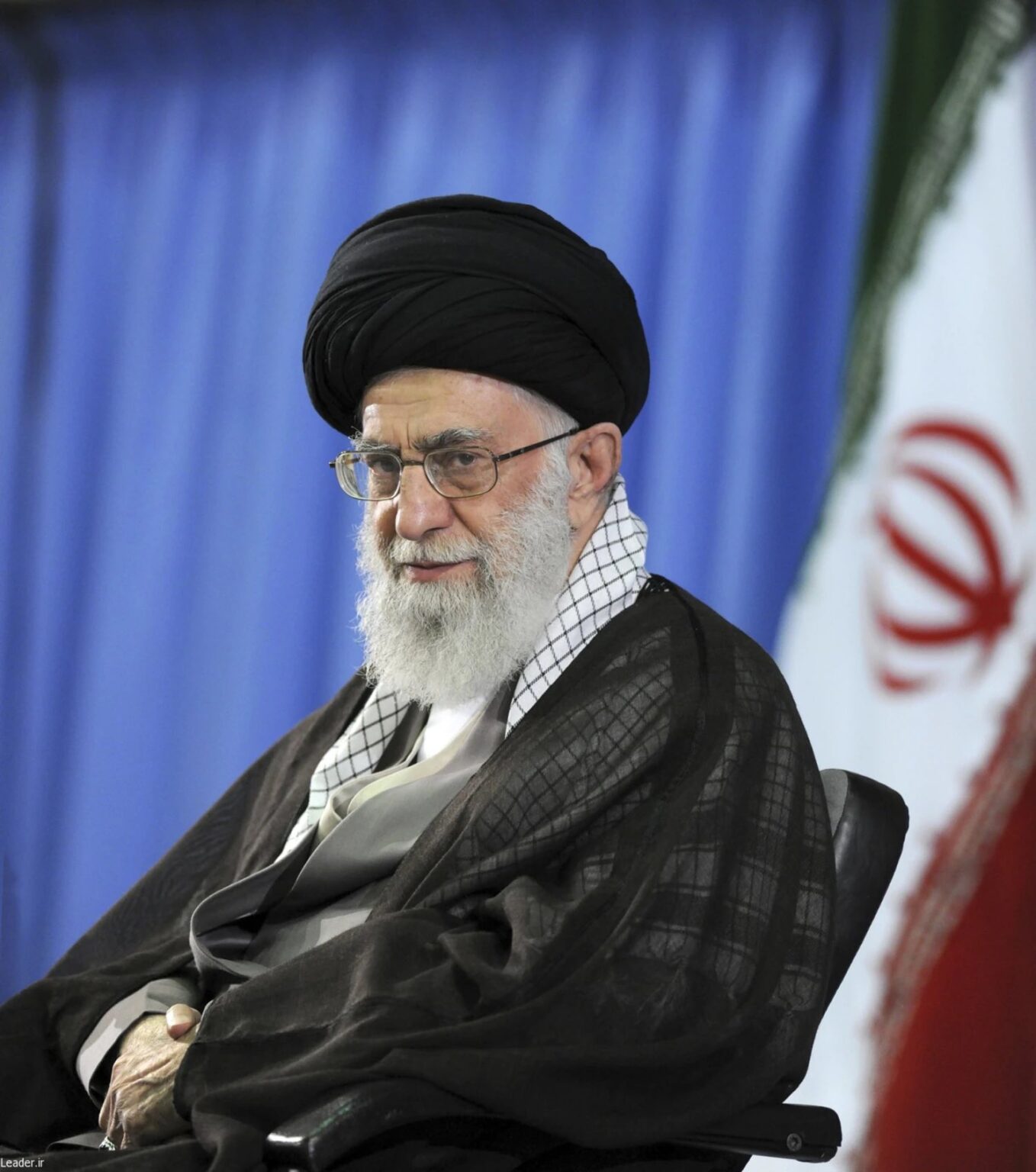
Israel has confirmed that Iran’s Supreme Leader Ali Khamenei was killed in the joint US–Israeli military strikes carried out on 28 February, according to senior officials cited by Reuters. Iran has yet to confirm or deny the claim.

The United States and Israel launched joint strikes on Iran early Saturday following days of military buildup and escalating tensions, marking a major escalation in the Middle East. Explosions were reported across Tehran, as President Donald Trump confirmed the start of ‘major combat operations’ aimed at neutralizing ‘imminent threats’ to the American people.

After losing the first leg 2–1 in Bulgaria, Hungarian champions Ferencváros beat PFC Ludogorets Razgrad 2–0 at home in the play-off, and thus advanced to the Round of 16 in the UEFA Europa League. There, they will face the Portuguese side SC Braga.

At an MCC event in Budapest, a lineup of distinguished speakers—featuring Minister for EU Affairs János Bóka of Hungary—criticized the Court of Justice of the European Union for overstepping its authority and advancing ideological agendas. Panellists and speakers warned that the Court’s expanding role risks undermining national sovereignty and reshaping Europe’s legal order.
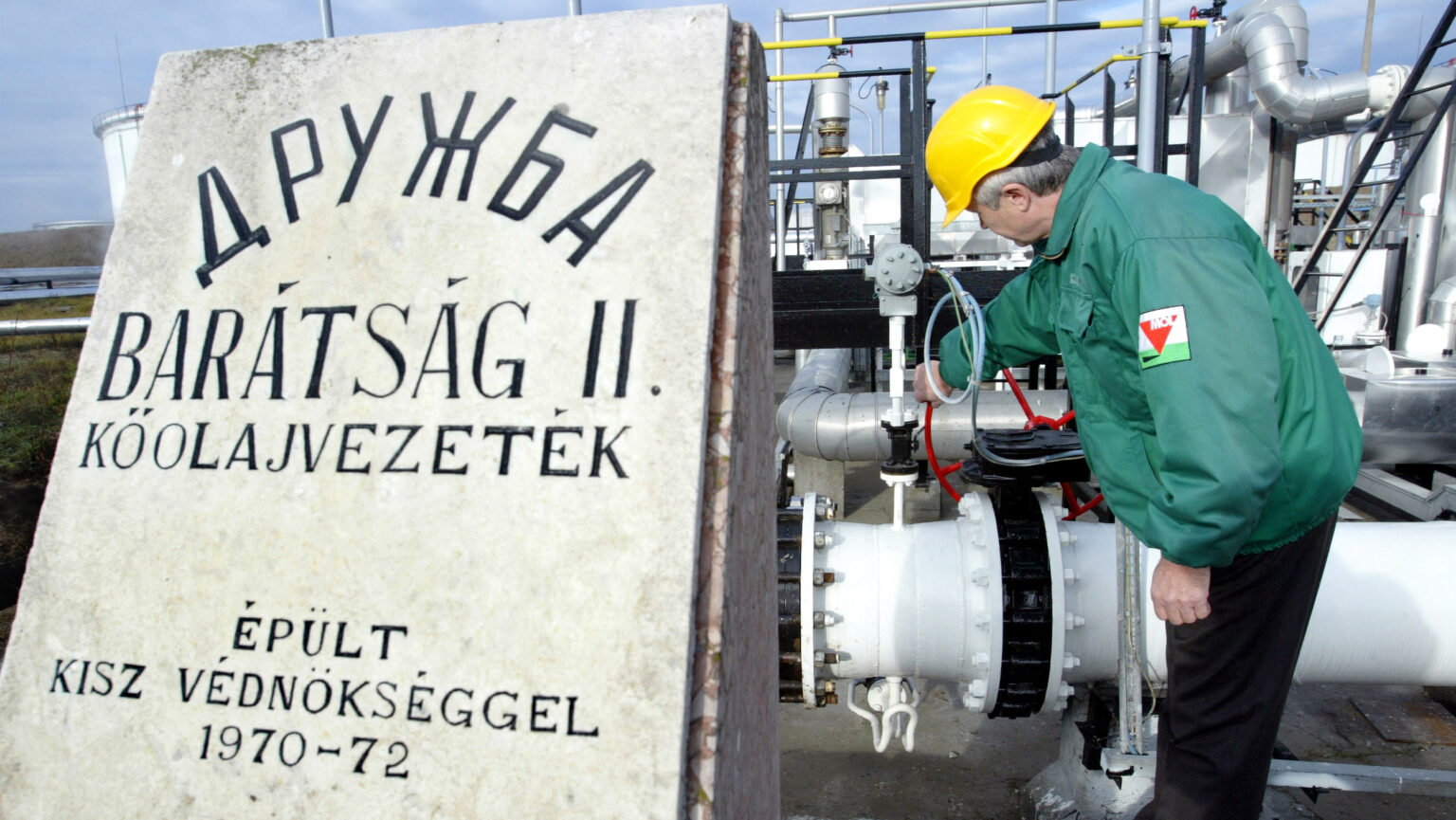
A new Századvég survey indicates that a clear majority of Hungarians oppose both Ukraine’s suspension of oil transit through the Druzhba pipeline and the European Union’s plans to phase out Russian energy. The findings underscore mounting public concern over energy security, rising prices, and foreign interference ahead of the April parliamentary elections.
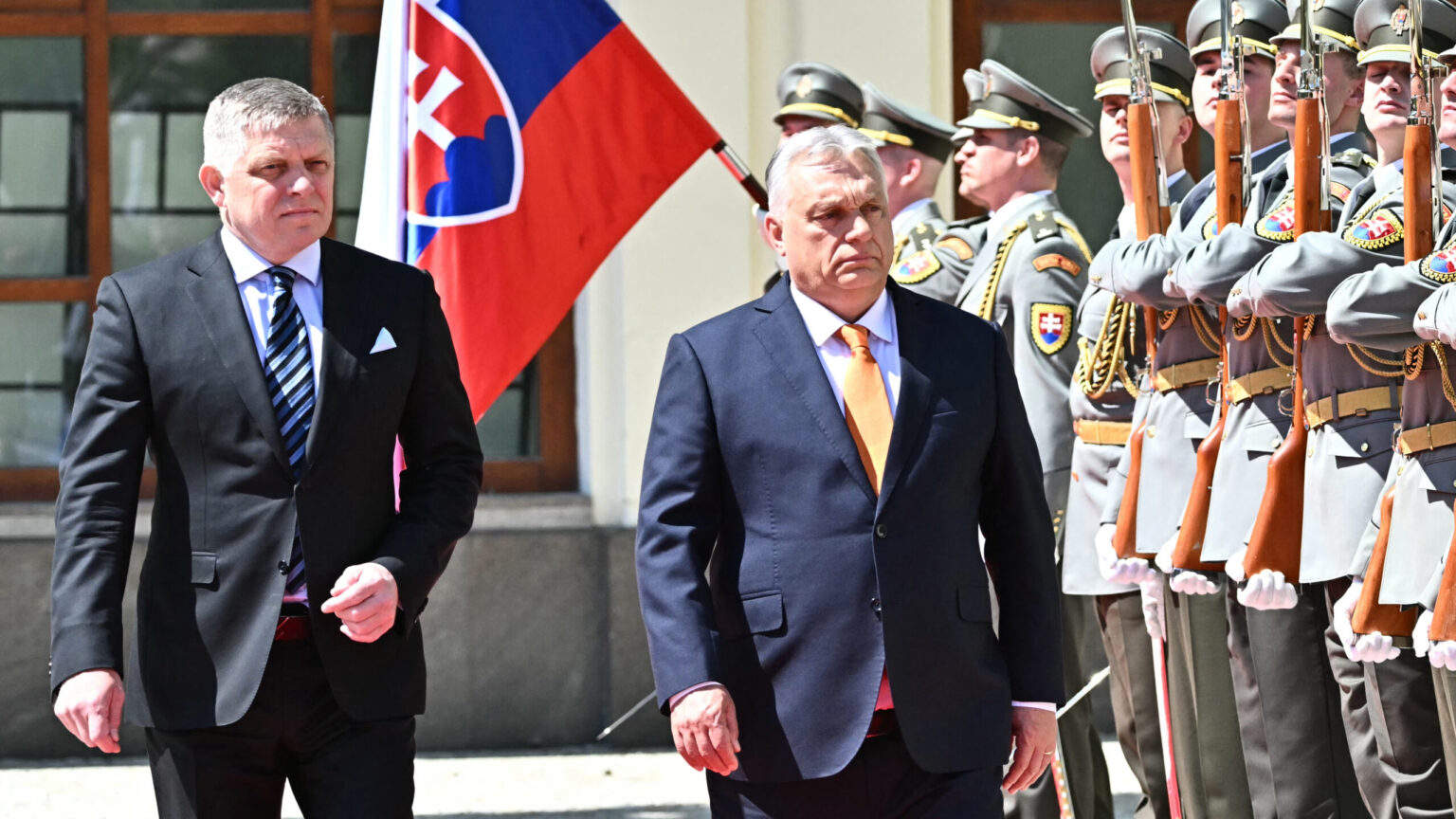
Hungarian Prime Minister Viktor Orbán announced that Hungary and Slovakia will establish a joint investigative committee to examine the halted Druzhba pipeline, urging Ukraine to grant access and restart oil transits immediately.
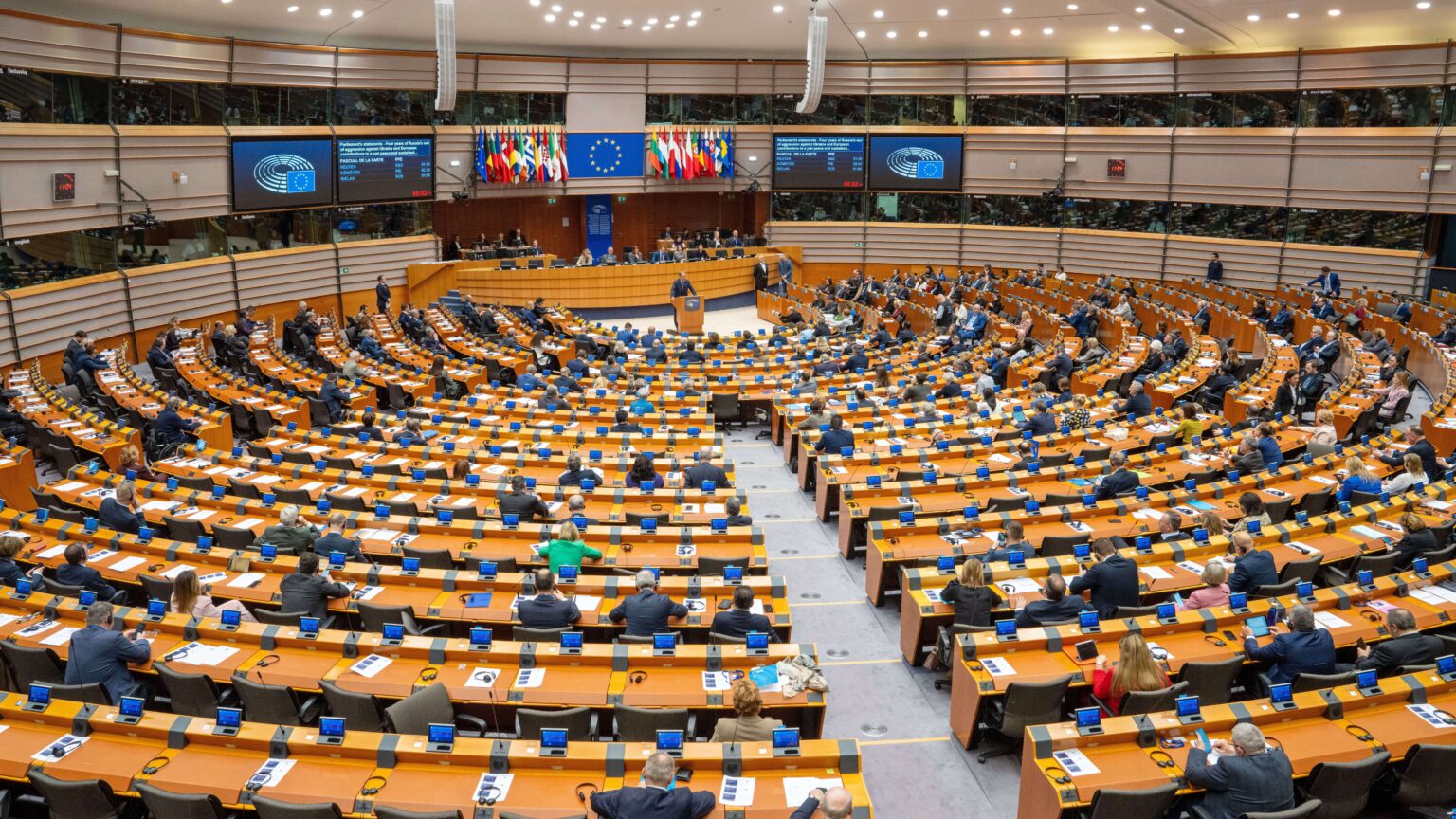
A Brussels meeting saw a heated debate over whether Hungary could link EU legislation for a 90 billion euro Ukraine loan package to the reopening of the Druzhba oil pipeline, highlighting tensions over energy security and EU policy.
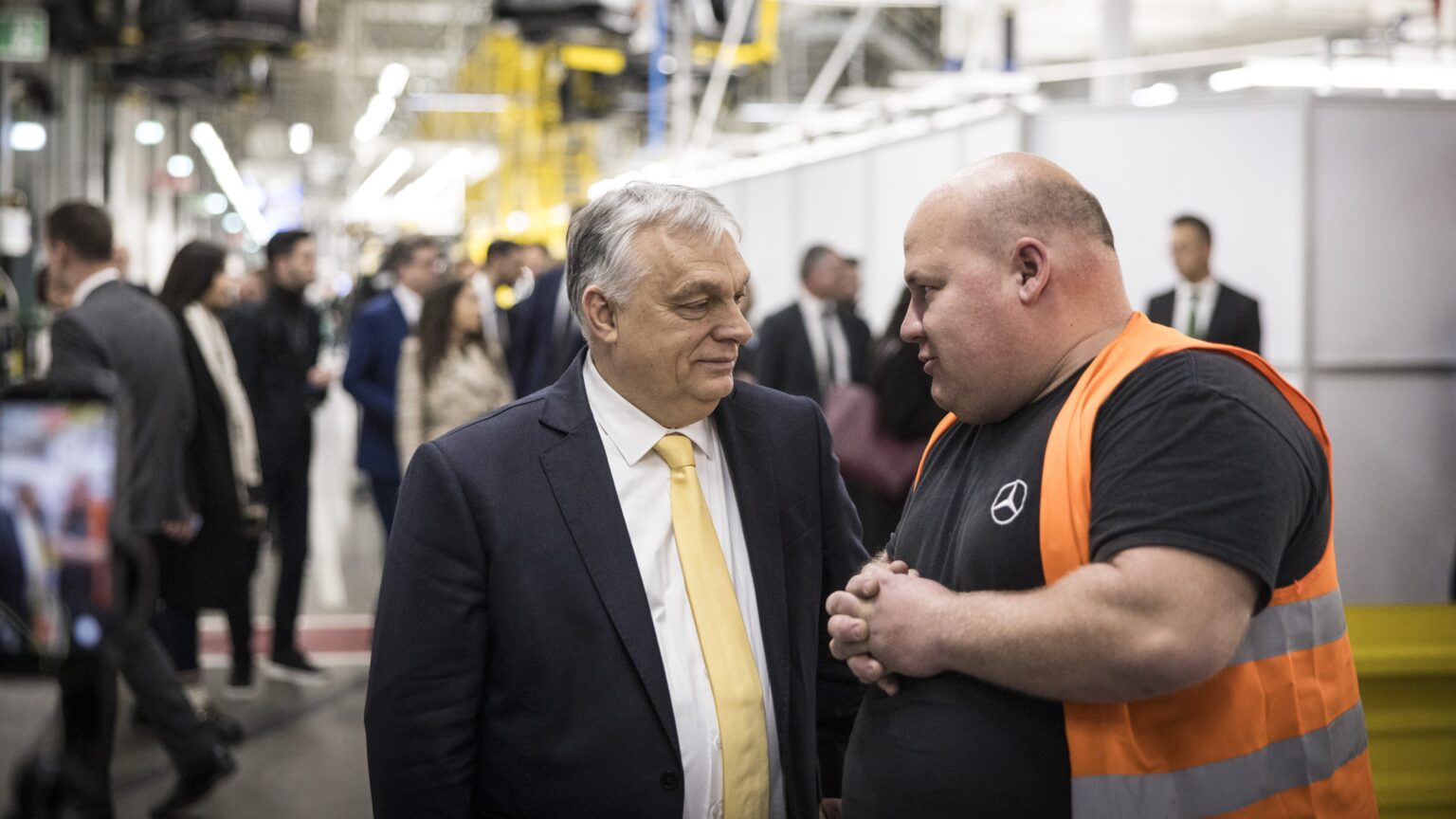
Affordable energy will determine whether Europe’s automotive industry, including the Mercedes-Benz factory in Kecskemét, can remain competitive, Viktor Orbán said at the carmaker’s 140th anniversary event.
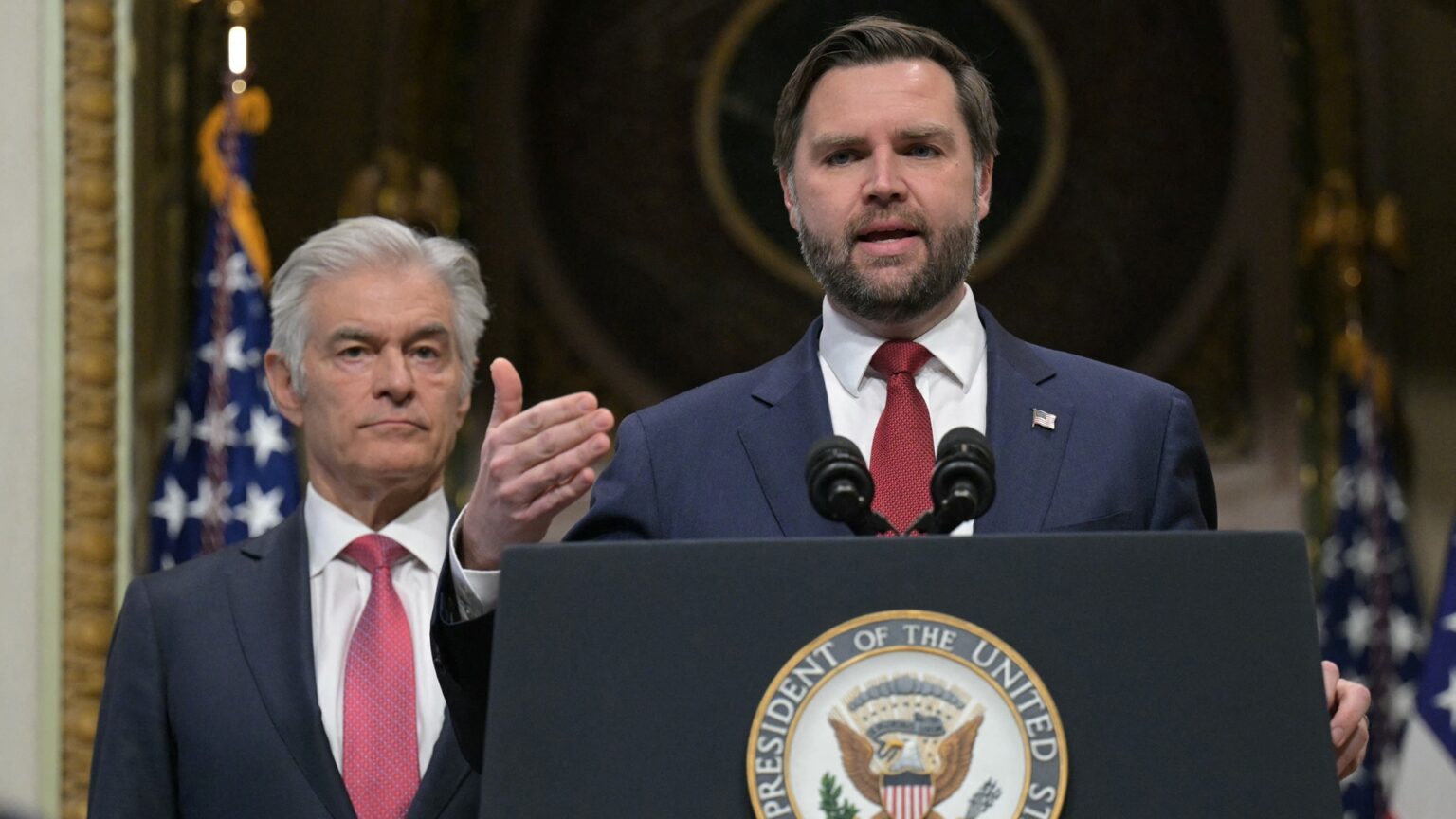
US Vice President JD Vance has been tasked with leading the new ‘War on Fraud’ ininative in the counrty, as President Trump has announced in his State of the Union address. As the first step, Vice President Vance has shared that the federal government will be halting $259.5 millon in Medicaid funds to Minnesota due to concerns over widespread fraud.
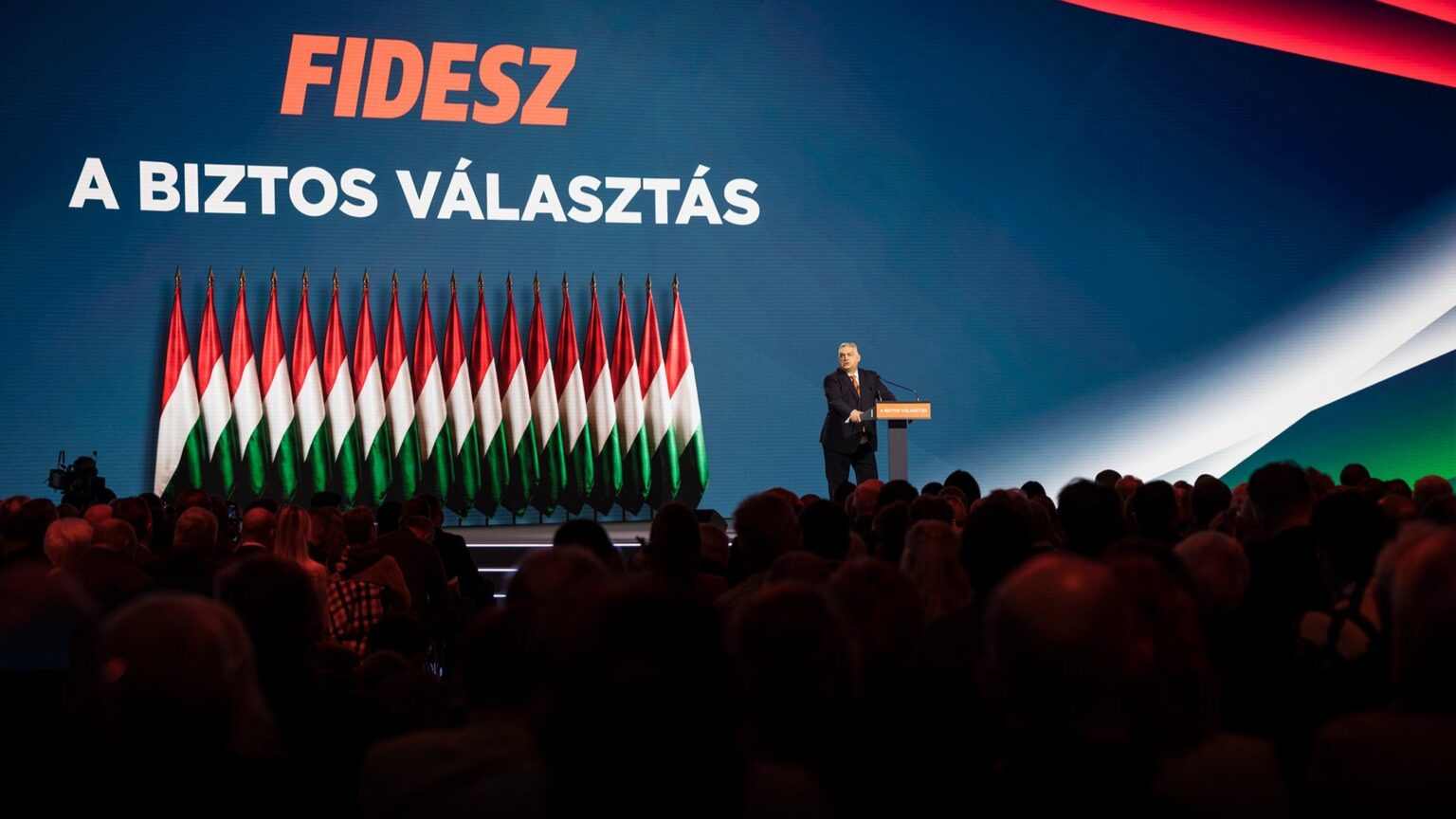
Hungary’s election campaign is entering a decisive phase as fresh polling by Nézőpont Institute gives Fidesz–KDNP a five-point advantage over the opposition Tisza party. With energy security and foreign pressure dominating political discourse, the latest figures point to a closely contested race, with Viktor Orbán still steadily leading.
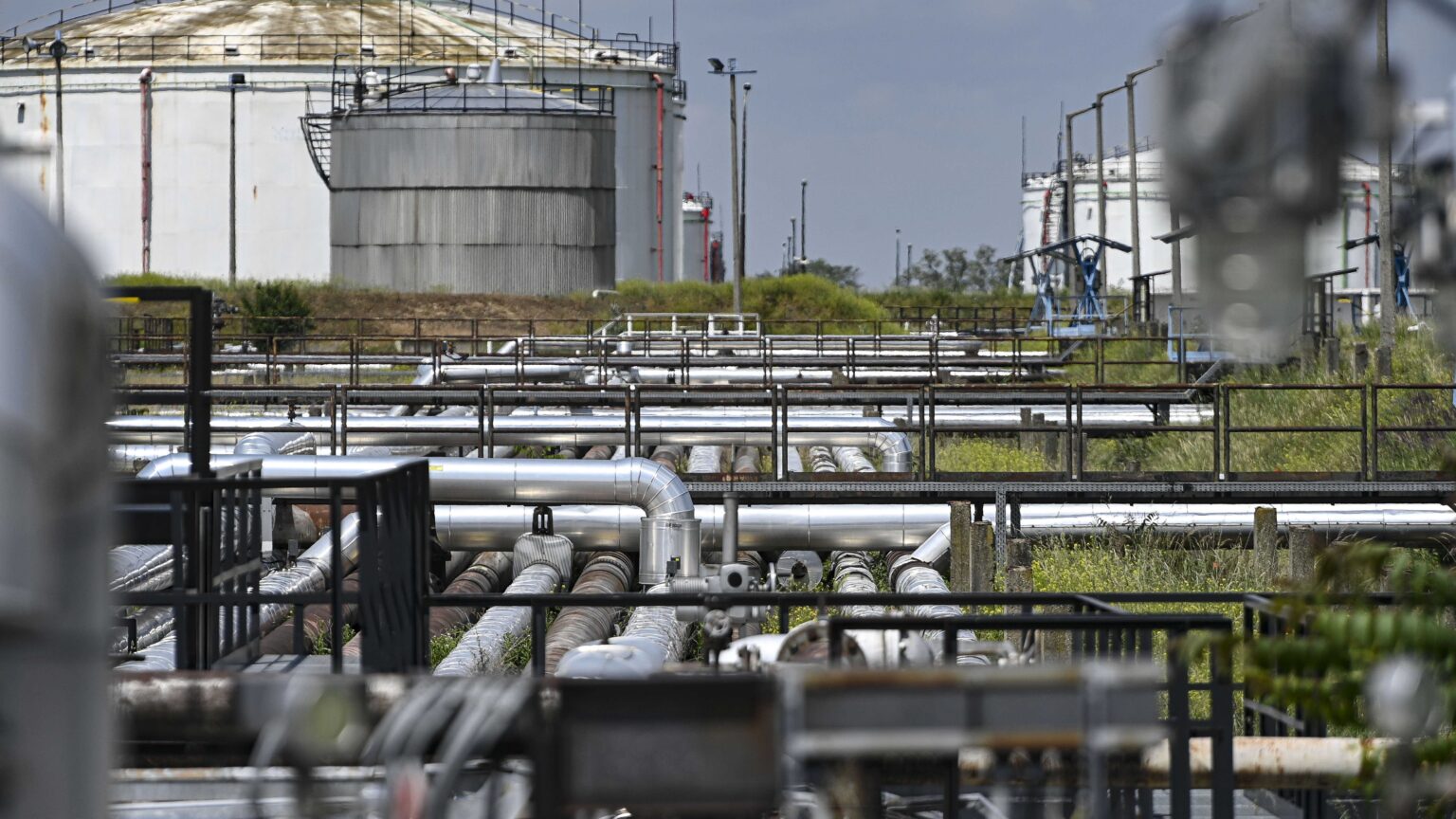
An anonymous EU diplomat source told POLITICO that Brussels will be seeking a compromise with Hungary on the issue of the inoperational Druzhba Pipeline in Ukraine, as opposed to threatening them with more punitive action. According to the piece, the EU leadership is doing so in order to avoid helping PM Orbán of Hungary’s re-election chances in April.
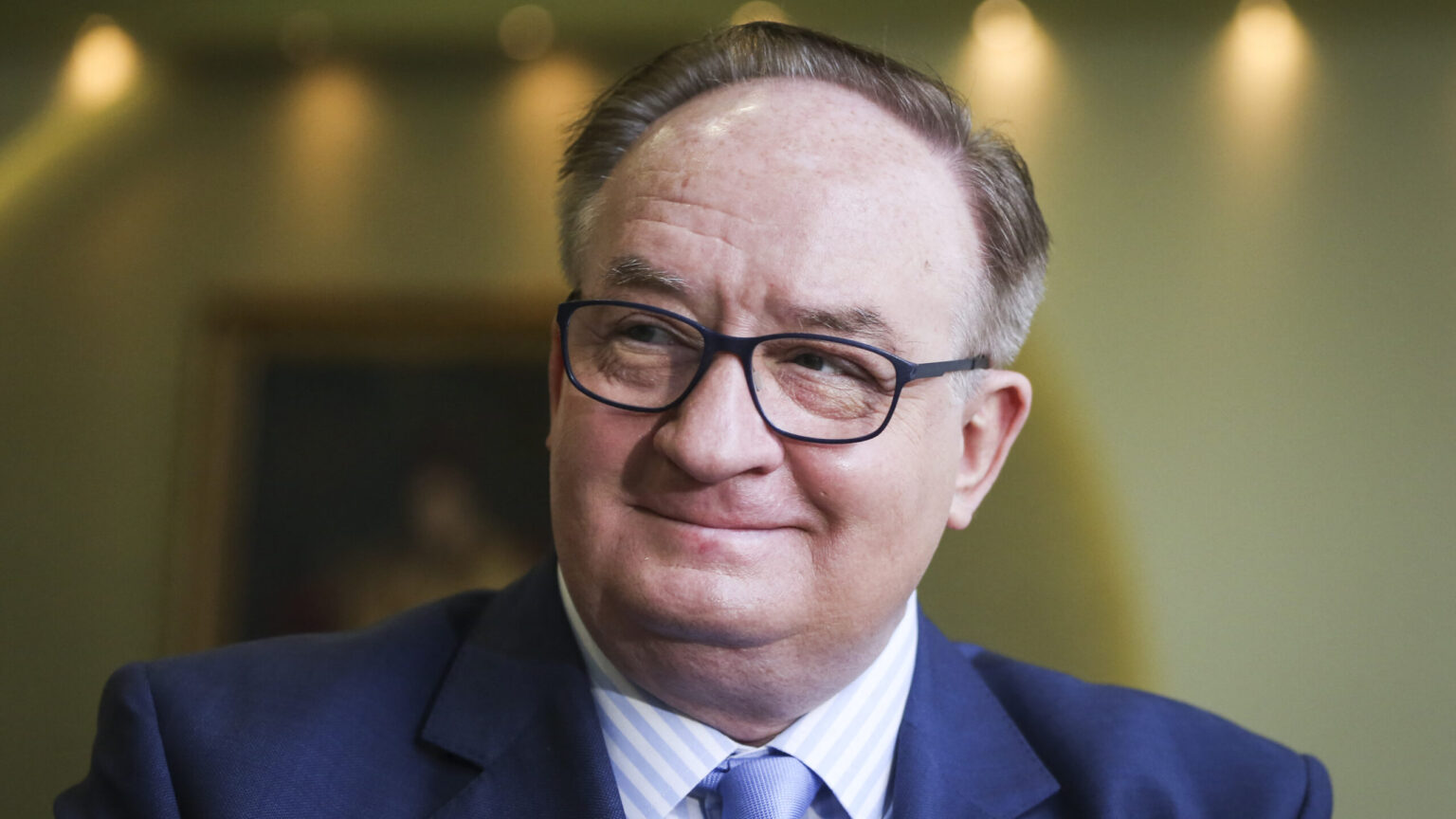
Foreign policy adviser to Polish President Karol Nawrocki has backed Viktor Orbán’s claim that Ukraine deliberately halted oil transit through the Druzhba pipeline to pressure Hungary ahead of its April election. In a radio interview, Jacek Saryusz-Wolski also suggested the disruption could be part of a broader political operation involving Brussels.
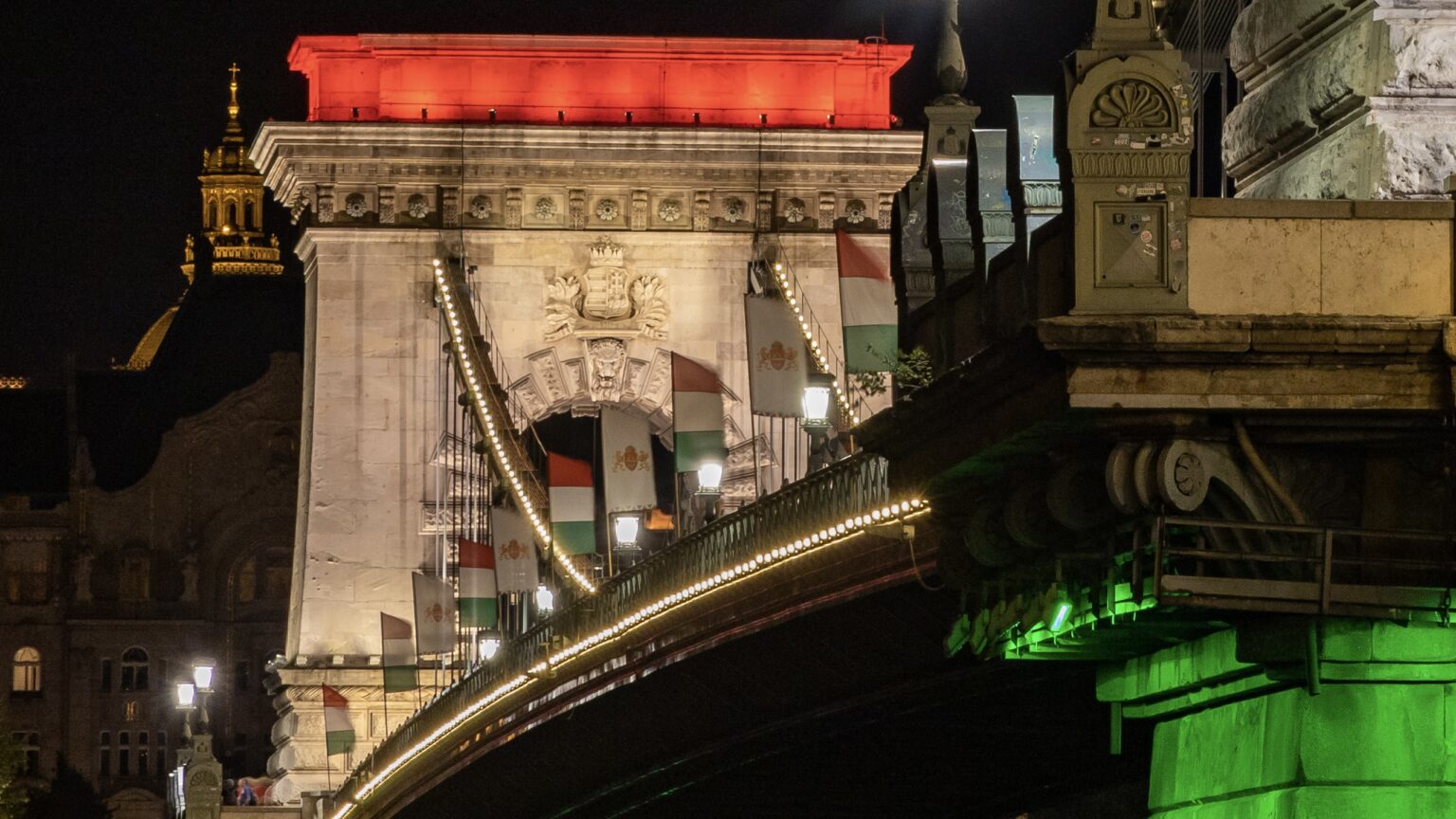
Net wages in Hungary have been increasing faster than gross pay for months, a government official said, attributing the trend to family policy measures and pointing to continued wage growth and improving real earnings across the country.
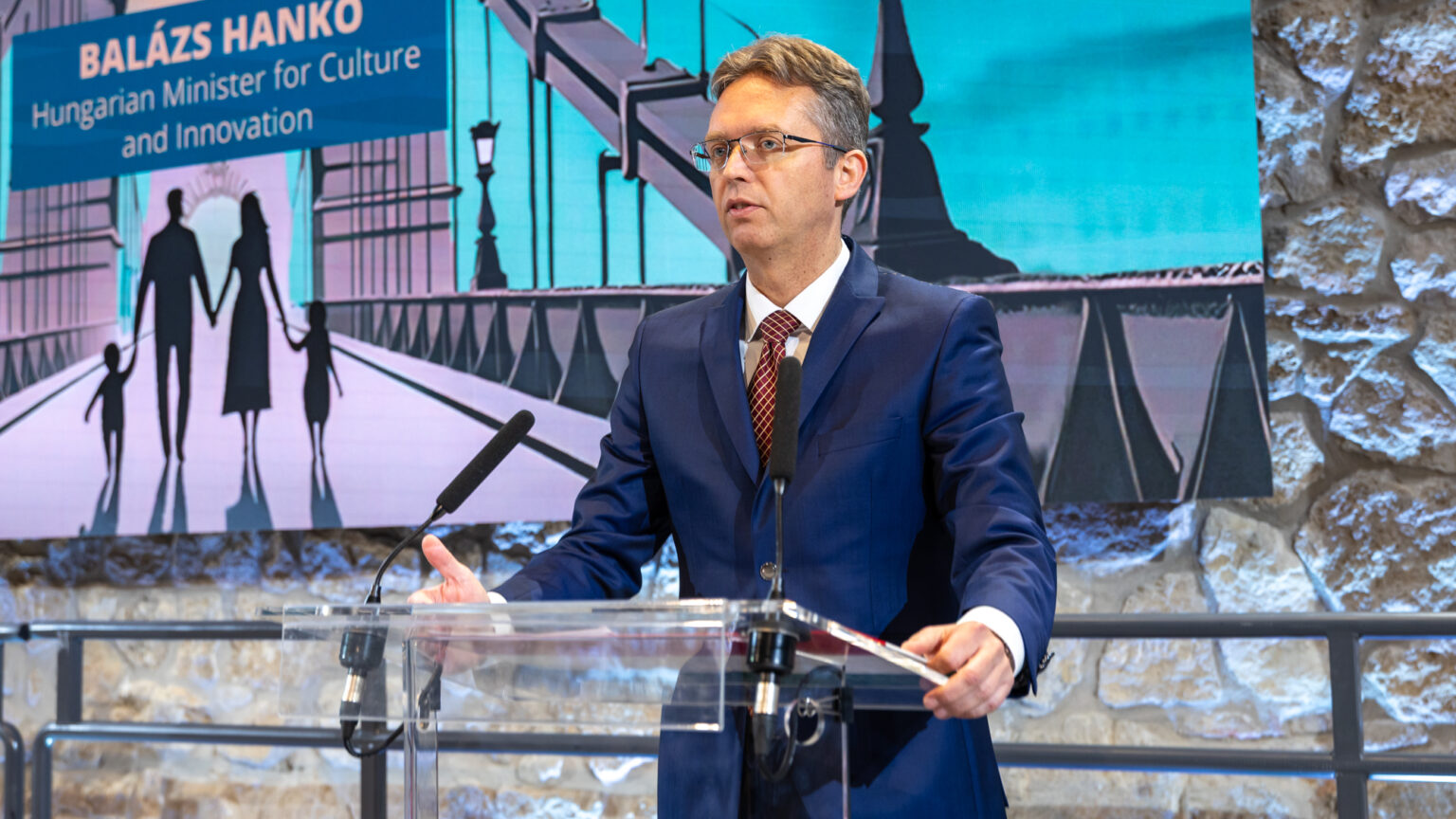
Minister of Culture and Innovation Balázs Hankó of Hungary has announced a major increase in scholarship payments to Hungarian university students. The payments to high-achieving students will be raised by at least 50 per cent at each Hungarian university.

AfD co-chair Alice Weidel has accused the European Union of attempting to influence Hungary’s upcoming election by manipulating polling data and supporting Kyiv in blocking oil transit through Druzhba pipeline. Her remarks come amid controversy over surveys showing an unrealistically large lead for Péter Magyar’s Tisza party.

At a time when public debate is increasingly polarized and superficial, Hungarian Conservative remains committed to depth and independent thought.
Donate Now
Please consider supporting our mission.