







‘The Court distinguishes between objective grounds—such as the possession of modern technical or financial resources, or the experience acquired by the operator—and grounds that involve a “highly subjective assessment”, such as a project’s ability to fulfil a “societal function” or to serve the public interest.’
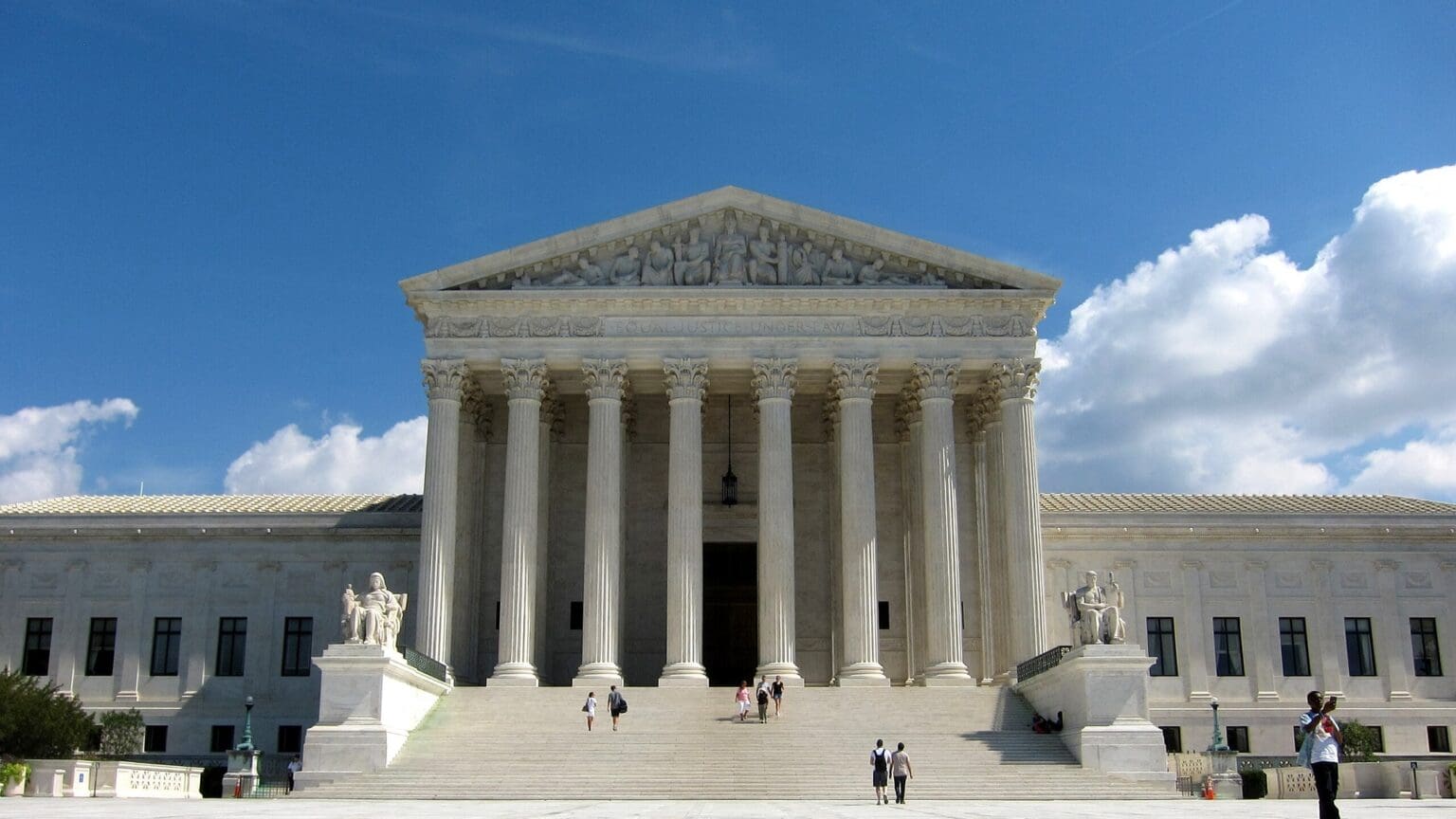
The US Supreme Court has delivered two landmark immigration rulings pulling President Donald Trump’s agenda in opposite directions, blocking his bid to restrict birthright citizenship while expanding executive authority over deportations. Together, the decisions could significantly shape the future of the administration’s emerging remigration agenda.

Hungary’s record-breaking heatwave is expected to end with thunderstorms, heavy rain and strong winds as the country’s highest heat alert expires and temperatures fall sharply.

‘The sitting President of the United States, after winning the 2024 presidential election by receiving 77.3 million votes nationally…was able to convince so many Americans to vote for him despite content about his supposed extraordinary failures as POTUS being a lot more prevalent in the media during his first and President Biden’s only term.’

Veolia says increasingly frequent summer heatwaves are making flexible gas-fired power plants and battery storage essential for maintaining Hungary’s electricity grid during evening demand peaks.

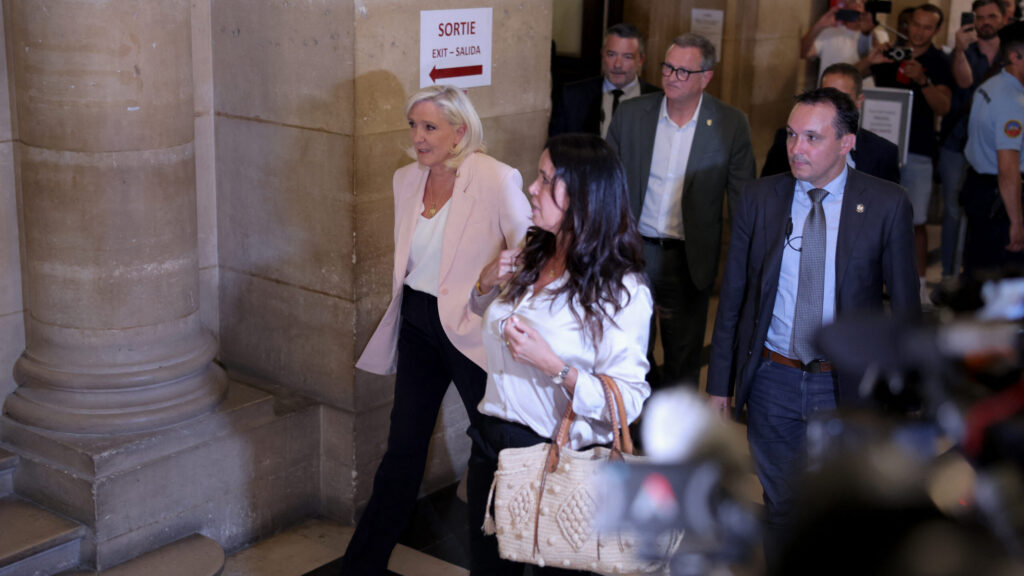
The family of Louis, the 17-year-old boy beaten to death in Narbonne, has called for a major demonstration on 5 July, with the victim’s mother declaring that ‘it’s time for war’. As the killing fuels debate over immigration and juvenile crime, while attracting growing international mobilization, thousands are expected to attend.

In a 135–44 vote, MPs for the ruling Tisza Party voted to abolish the Sovereignty Protection Office created by the Orbán administration in 2024, after finding that it ‘served no actual public good’.
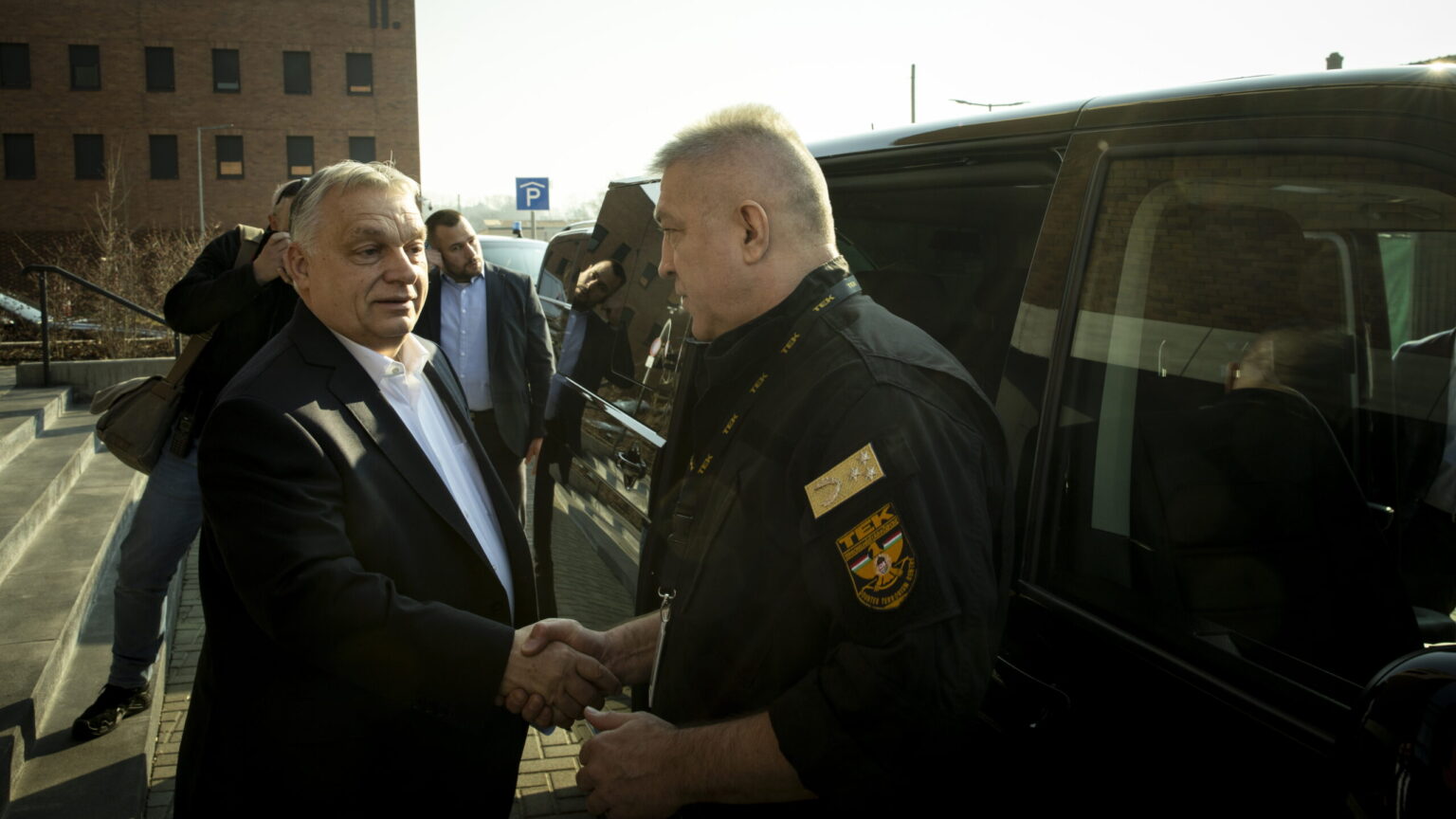
Former Hungarian prime minister Viktor Orbán appointed former Counter Terrorism Centre (TEK) chief János Hajdu as Fidesz’s security director less than a day after prosecutors questioned him as a suspect in the Ukrainian ‘cash convoy’ investigation, in a move widely seen as a public show of support for his longtime ally. According to media reports, Orbán himself could also face scrutiny in the same case.
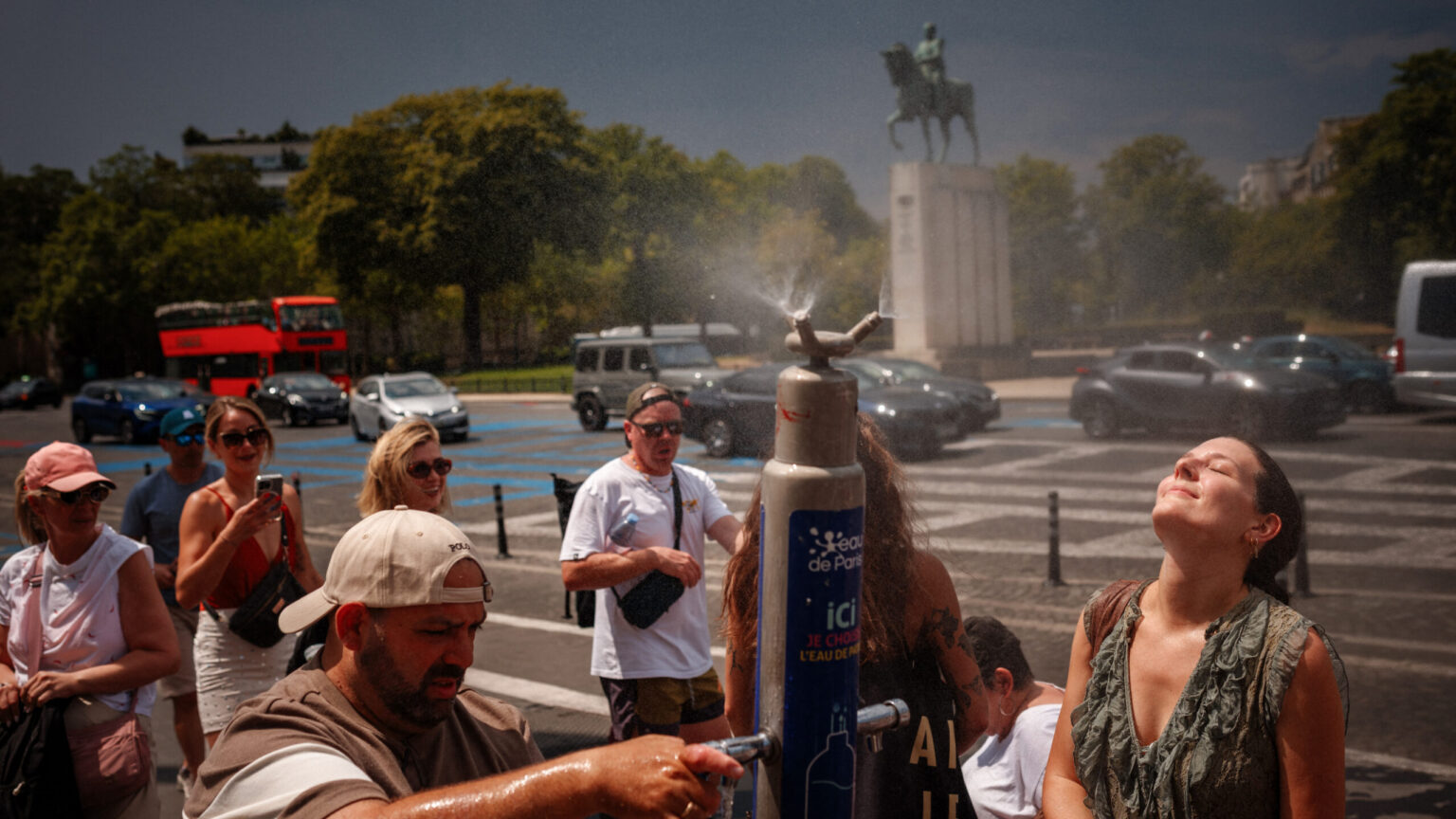
Europe’s ideological hostility towards air conditioning has become a global talking point after more than 1,300 excess deaths were linked to the heatwave sweeping the continent. Social media users ridiculed Europeans for rejecting a technology regarded elsewhere as an everyday necessity, while the crisis also exposed the damaging impact of progressive green policies on vulnerable groups.
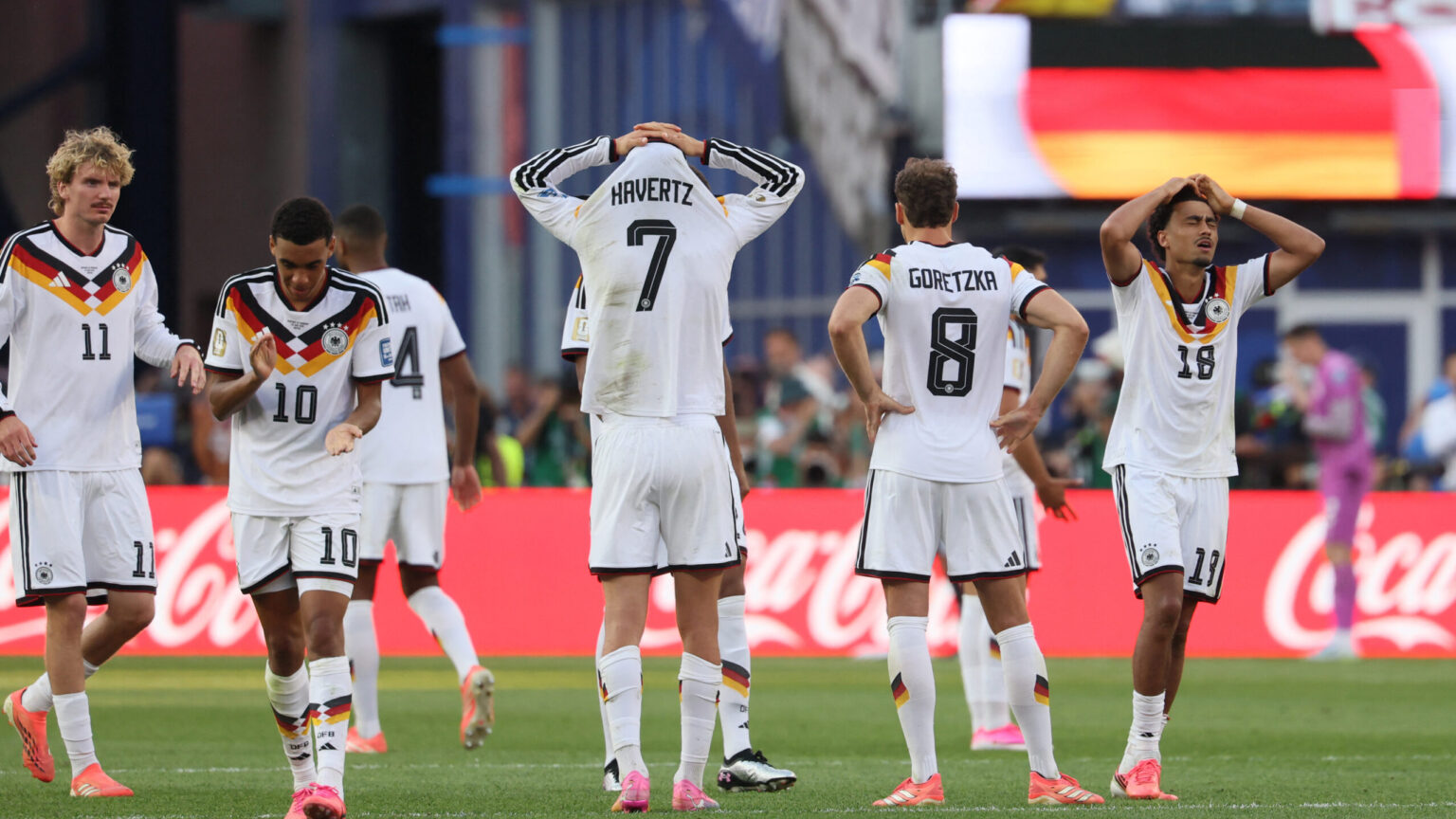
Germany’s World Cup campaign ended in another humiliation after a penalty-shootout defeat to Paraguay, prompting a wave of criticism over Chancellor Friedrich Merz’s praise for the team’s ‘commitment and team spirit’. For many Germans, the latest football failure has come to symbolize the country’s broader political and economic decline.

Supergirl grossed just $62.6 million against its $186 million production budget on opening weekend. Star Milly Alcock drew online backlash after mocking a ‘Christian dad’ and calling Supergirl a ‘queer icon’. Christopher Nolan’s The Odyssey, due next month with a $250 million budget, is already facing similar criticism online.

The European Commission has threatened to block the Save Europe Act from official registration, arguing that key parts of its remigration initiative are incompatible with the bloc’s values. In an email to supporters, the organizers accused Brussels of trying to silence one of Europe’s fastest-growing anti-immigration campaigns and vowed to continue the initiative regardless of the Commission’s decision.

Lake Velence’s water level has fallen to a record-low 49 centimetres as extreme heat pushes water temperatures above 30 degrees Celsius, raising environmental concerns and dealing a heavy blow to local tourism.

Six social workers were killed after a German citizen of Turkish origin opened fire during a child-custody meeting at a welfare facility in Stade, Lower Saxony. While police say the massacre stemmed from a family dispute, German media reported that the suspect belonged to the notorious Miri clan, a Mhallami extended-family network linked to organized crime across Germany.

Budapest’s first Pride parade since Viktor Orbán lost power shifted the debate beyond freedom of assembly last year, as Mayor Gergely Karácsony called for the legalization of same-sex marriage. The proposal mirrors developments in neighbouring Poland, where comparable political and legal changes have gradually expanded LGBT rights following the fall of the conservative PiS government.

President of the Republic Tamás Sulyok of Hungary has attended the commemoration of the 1956 Poznań workers’ uprising in Poznań, Poland. At the event, he also met with his Polish counterpart, Karol Nawrocki.

A total of 19,779 foreign criminals who have served time in jail now live freely in the United Kingdom, which is an all-time high, the Daily Mail reports. That is despite an August 2025 law change that mandates foreign nationals be deported if convicted of a crime.
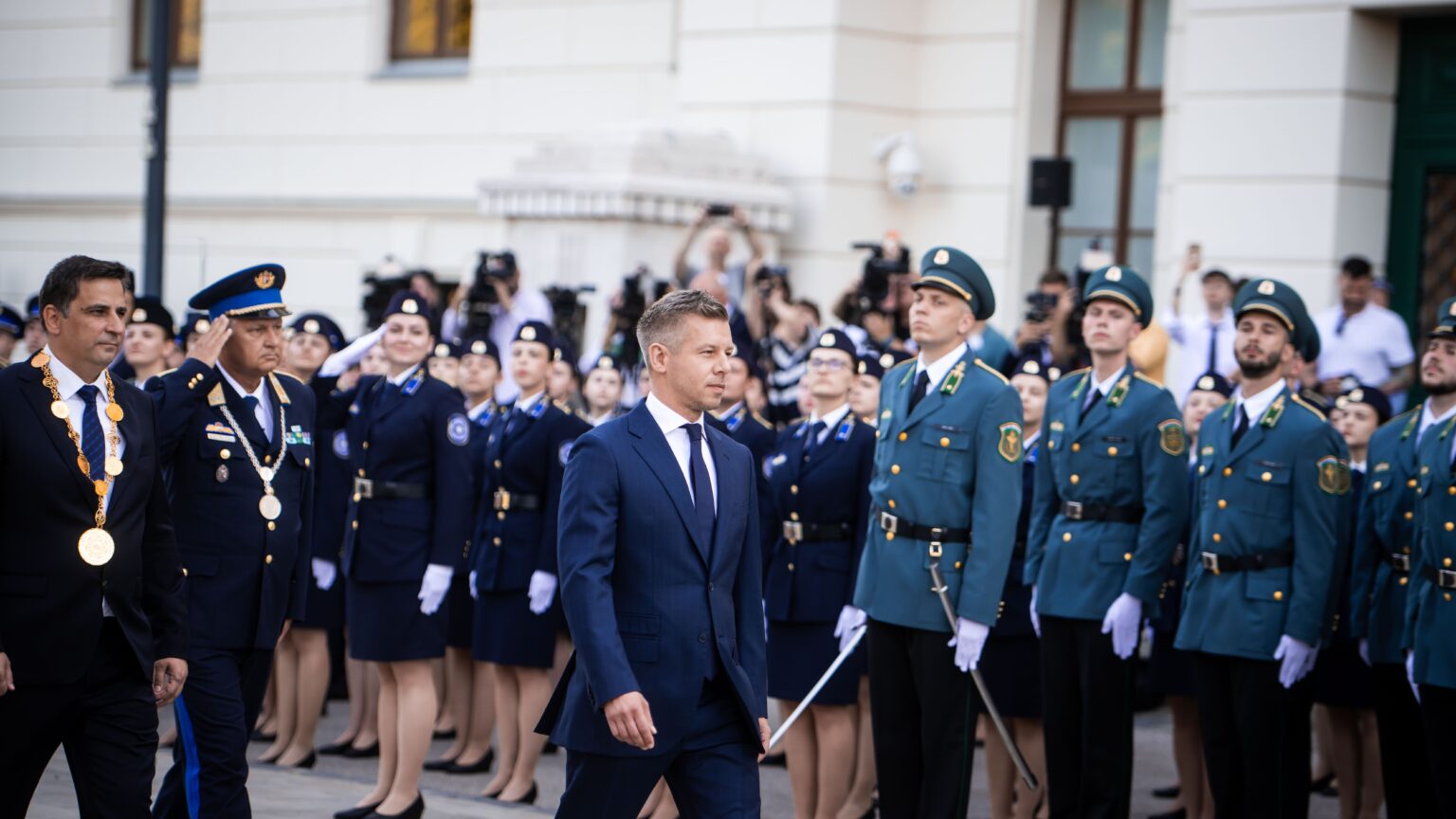
Prime Minister Péter Magyar urged Hungary’s newly commissioned law enforcement officers to serve the law rather than political power, while pledging better pay, improved working conditions and a more predictable career path for the country’s uniformed services.

German anti-racism NGO CLAIM has launched a nationwide campaign promoting Muslims as an ‘inseparable part’ of everyday life, funded through a federal programme supported by taxpayers. The initiative has renewed scrutiny of CLAIM, whose predecessor network was repeatedly scrutinized over alleged links to Islamist networks, including the Muslim Brotherhood and Hamas.

Budapest is introducing mobile-only parking payments and raising hourly parking fees by up to 50 per cent from 1 July, while also launching a redesigned night public transport network across the capital and its suburbs.

A 34-year-old Somalia-born British man has been arrested on suspicion of attempted murder after driving into pedestrians in west London, injuring five people. Police say the case is not being treated as terrorism, prompting accusations of double standards and renewed claims of two-tier policing.

Britain’s Labour government has announced three new legal refugee routes that could open the door to thousands of new migrants entering the UK through community groups, universities, and employers. The plan comes amid increasingly strong anti-immigration sentiment across the country and has revived scrutiny of the Fabian Society’s influence on Labour.

A 17-year-old French boy has died after five youths lured him into a premeditated ambush at a construction site in Narbonne and subjected him to a brutal beating, which they filmed and shared online. While prosecutors reject a racial motive, the case has fuelled intense controversy over the suspects’ possible immigration backgrounds and the rise in juvenile crime.

Iran and Egypt, two Muslim-majority countries strongly opposed to LGBTQ activism, will meet in a decisive Group G match on Seattle’s designated World Cup ‘Pride Match Day’, prompting protests from both countries’ football federations. While FIFA sought to distance the match from the city’s Pride events, it confirmed that spectators may bring rainbow flags into the stadium.

Hungary will submit a revised medium-term fiscal framework later this year that outlines its path toward meeting the criteria for euro adoption, Finance Minister András Kármán announced after talks with Eurogroup President Kyriakos Pierrakakis in Budapest.

Republican Congressman Andy Ogles has proposed one of the most far-reaching immigration bills in recent US history, introducing a Remigration Act that would expand denaturalization, restrict birthright citizenship, and broaden deportation powers. The draft comes amid a wider immigration crackdown under President Donald Trump.
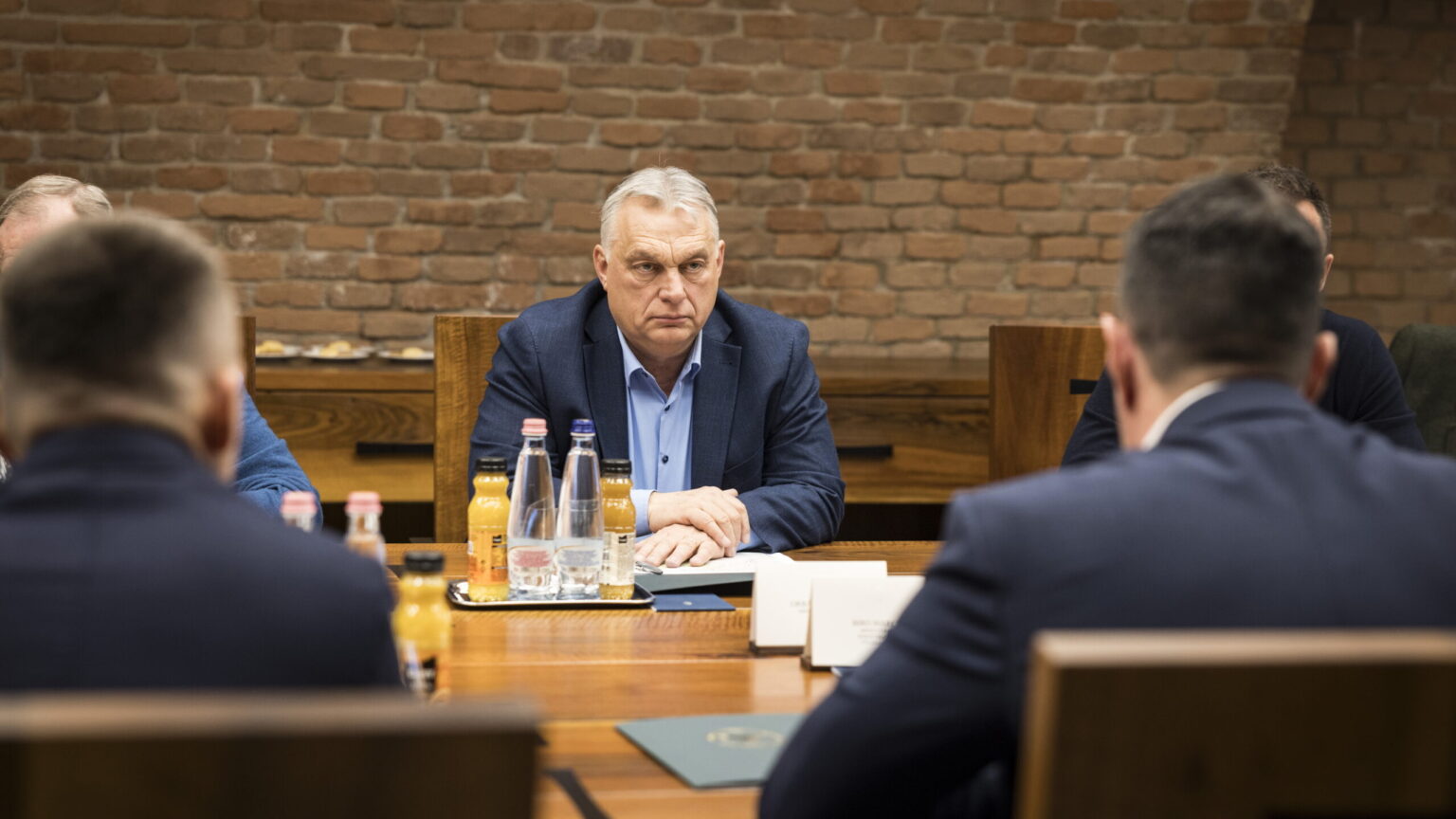
Hungary’s Prosecutor General has confirmed that senior officials may face criminal liability in connection with the so-called Ukrainian cash convoy investigation, revealing that prosecutors are preparing suspect interviews. According to a leaked internal document, former prime minister Viktor Orbán is among those whose potential criminal liability investigators have been instructed to examine.

Tibor Kapu will lead the HUNOR programme through its final six months as the government prepares a new national space strategy, with plans for a Hungarian space agency and dedicated space legislation under consideration.

Conservative journalists and commentators gathered in Budapest to discuss the future of Hungary’s right-wing media after the Tisza Party’s landslide election victory in April. Speakers, including Dániel Bohár and Mátyás Kohán, highlighted challenges of funding and credibility while debating how conservative outlets can adapt to a rapidly changing political landscape.

The Hungarian government has ordered a coordinated nationwide response to the ongoing heatwave, with Prime Minister Péter Magyar announcing emergency measures including expanded water distribution, remote work across parts of the public sector, and enhanced support for hospitals, transport operators, and vulnerable groups.

At a time when public debate is increasingly polarized and superficial, Hungarian Conservative remains committed to depth and independent thought.
Donate Now
Please consider supporting our mission.