
ae-pro domain was triggered too early. This is usually an indicator for some code in the plugin or theme running too early. Translations should be loaded at the init action or later. Please see Debugging in WordPress for more information. (This message was added in version 6.7.0.) in /var/www/vhosts/hungarianconservative.com/httpdocs/wp-includes/functions.php on line 6170






The generational conflict became one of the striking features of the 2026 Hungarian parliamentary election: Fidesz, which defines itself as a freedom fighter, was shocked by the way the 20-somethings rose up against it as a kind of ‘alliance of young democrats’. However, there are common elements between the separate rebellions of the two generations, and this can help us understand each other.
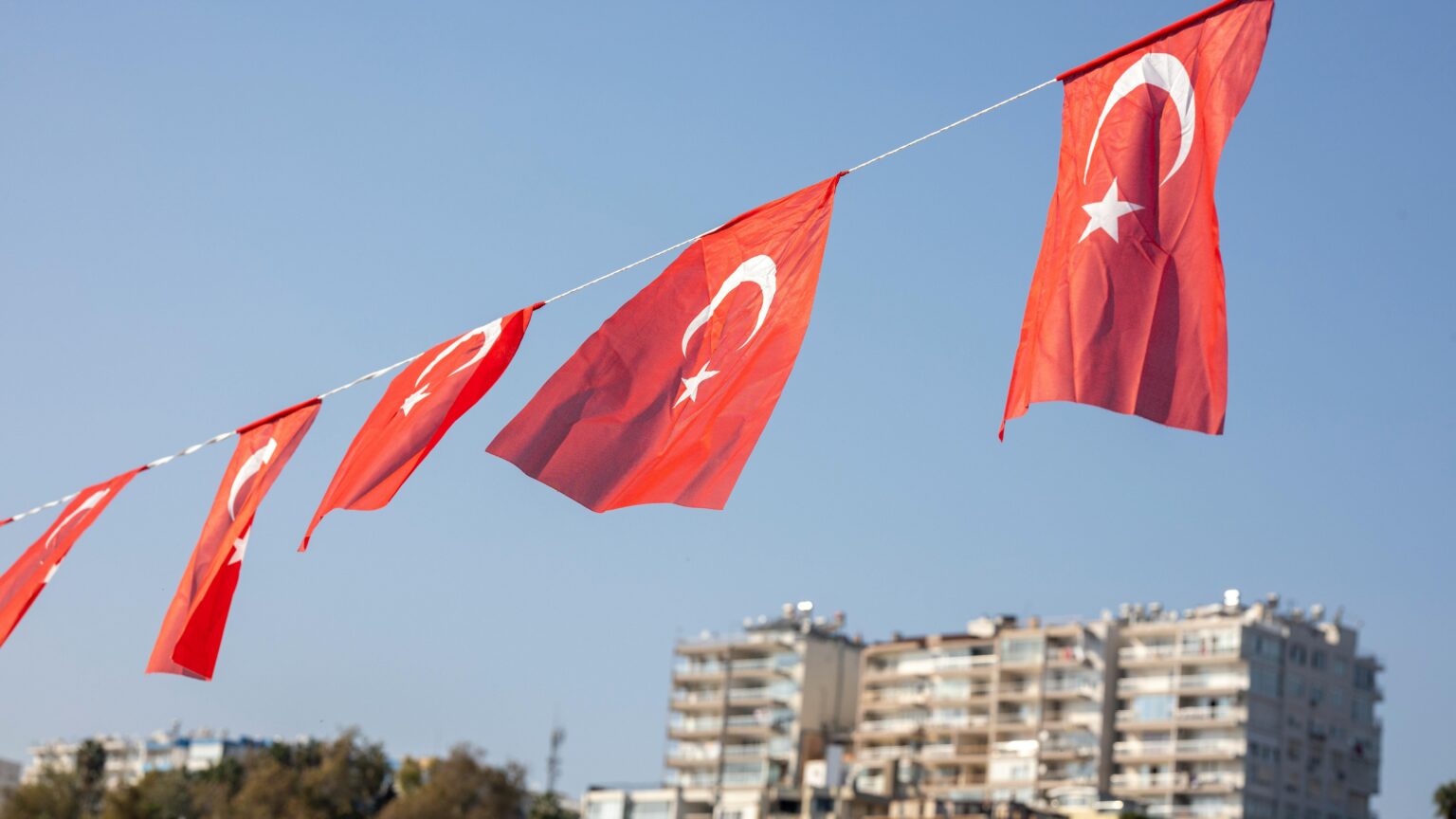
‘Too many are focusing on distractions when trying to analyse von der Leyen’s bizarre outburst. Some are saying that it is because the Erdoğan government has leaned into variants of Islamism…Others are pointing to the Turkish government’s increasingly expansionist aims, such as its recent alliance with the new government in Syria, but von der Leyen herself met President Al-Sharaa a few months ago.’
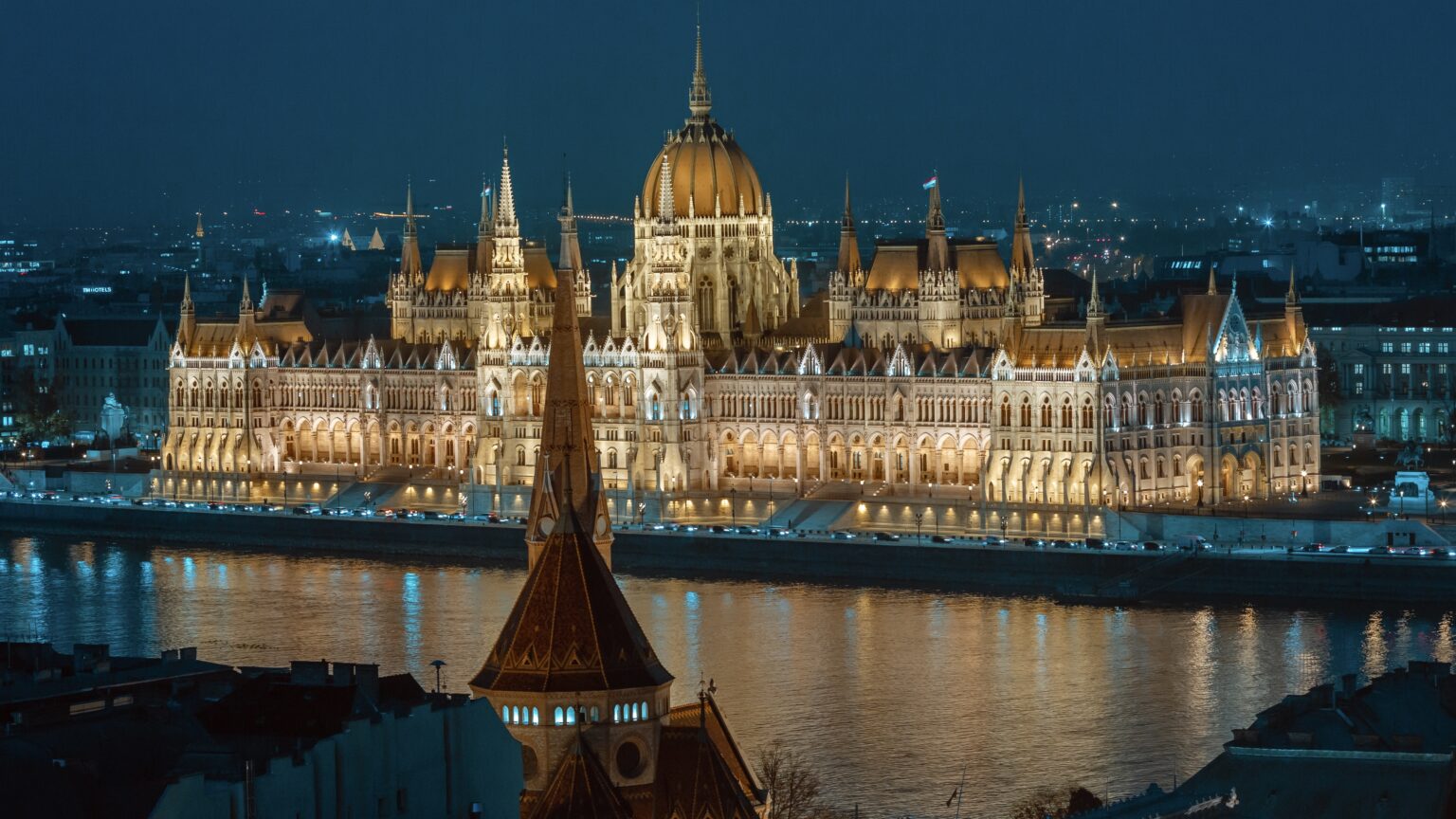
Hungary’s new parliament will convene on 9 May in a historic session, but the real story lies in who is missing. For different reasons, left-wing and liberal parties have disappeared from the legislature, raising serious questions about their political future: what lies ahead for the Hungarian left?
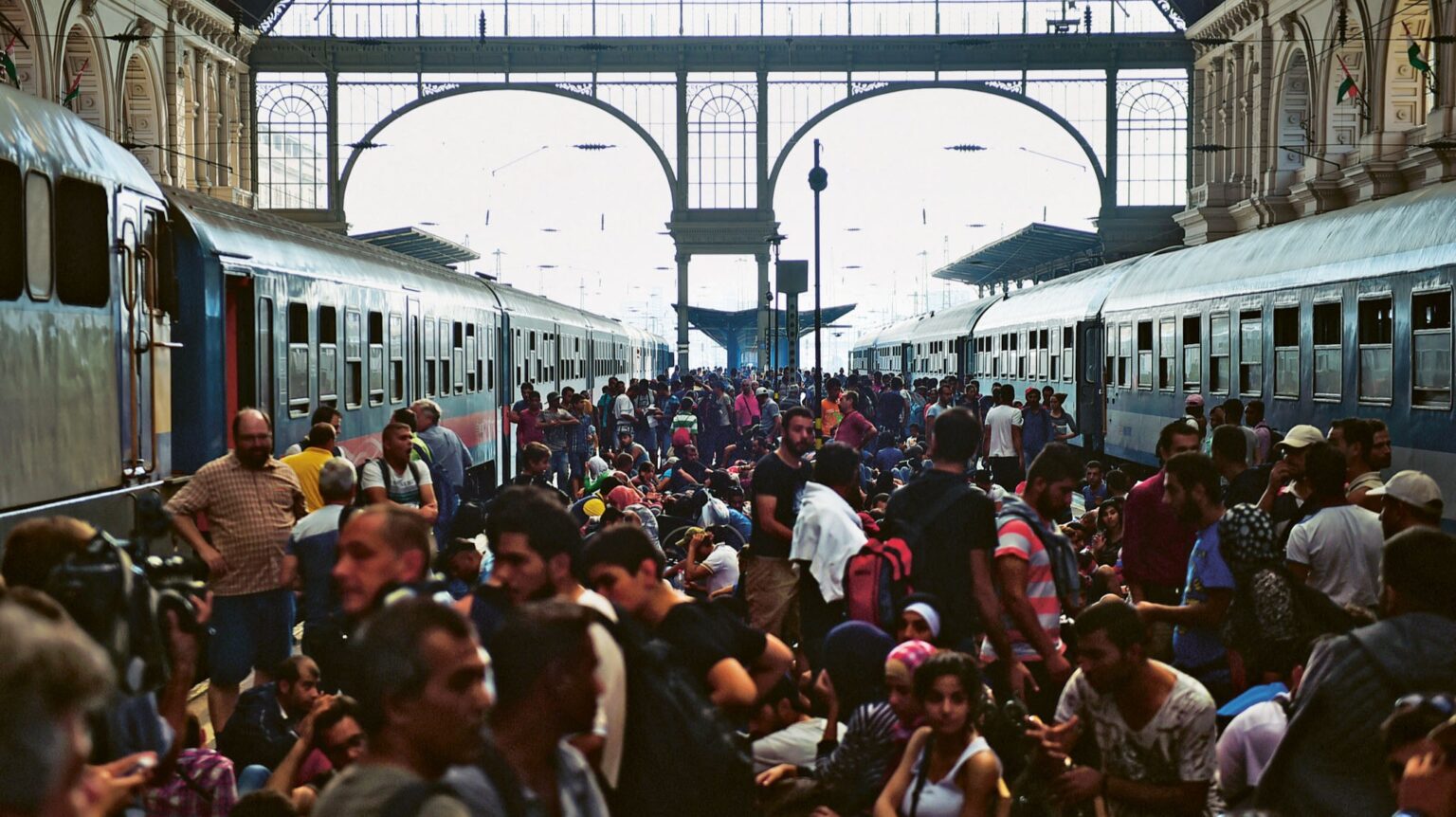
‘“Wir schaffen das” (We can do it), said Angela Merkel that fateful summer of 2015, speaking about the migration wave. Merkel was wrong, and Europe continues to pay the price for her mistake.’
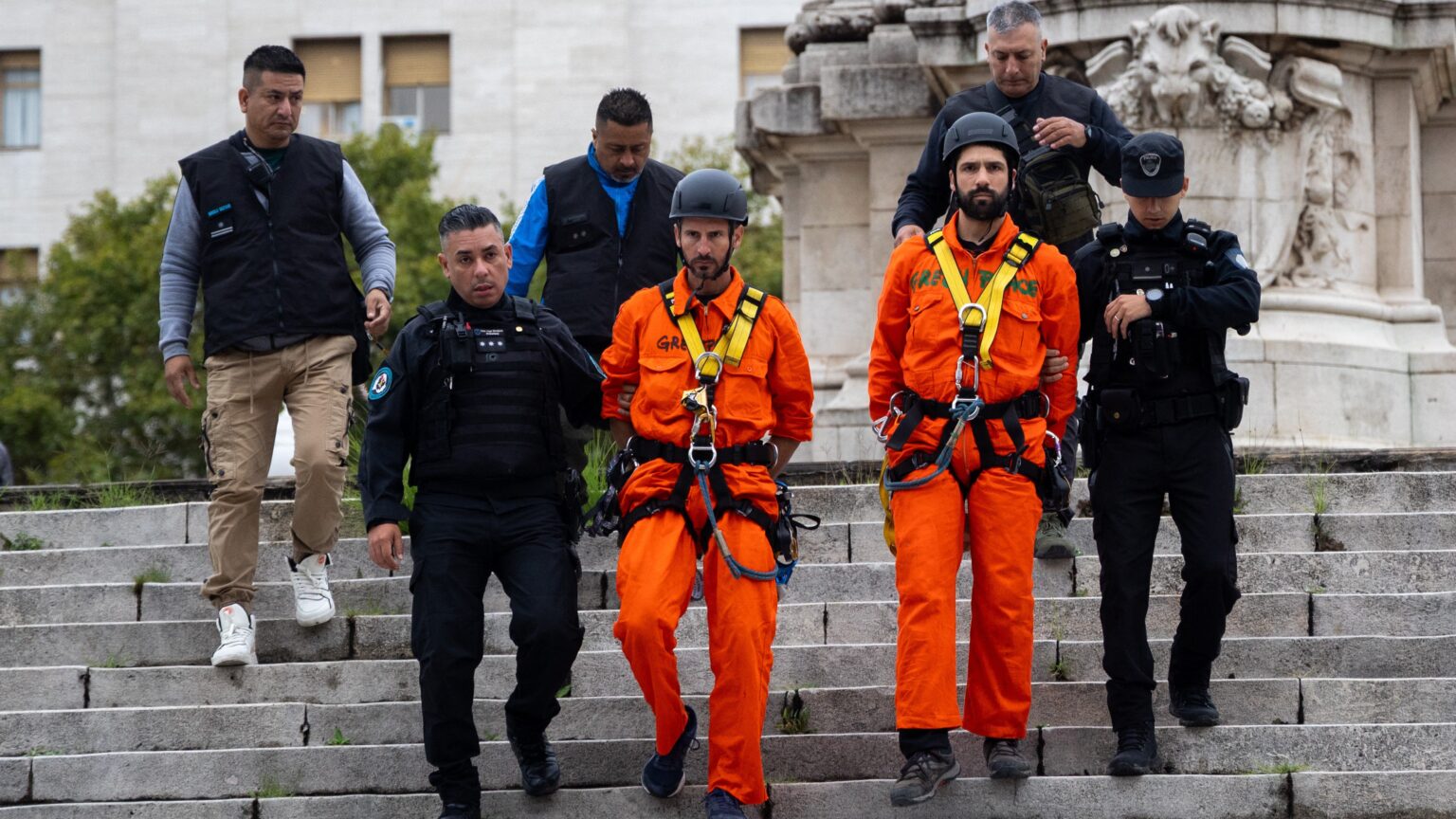
‘Since Hungary is also obliged to implement the EU’s Anti-SLAPP directive, its shortcomings are not irrelevant for Budapest. The Anti-SLAPP framework could become a tool for civil society organizations to silence legitimate criticism of their activities, while also potentially undermining plaintiffs’ right to a fair trial.’
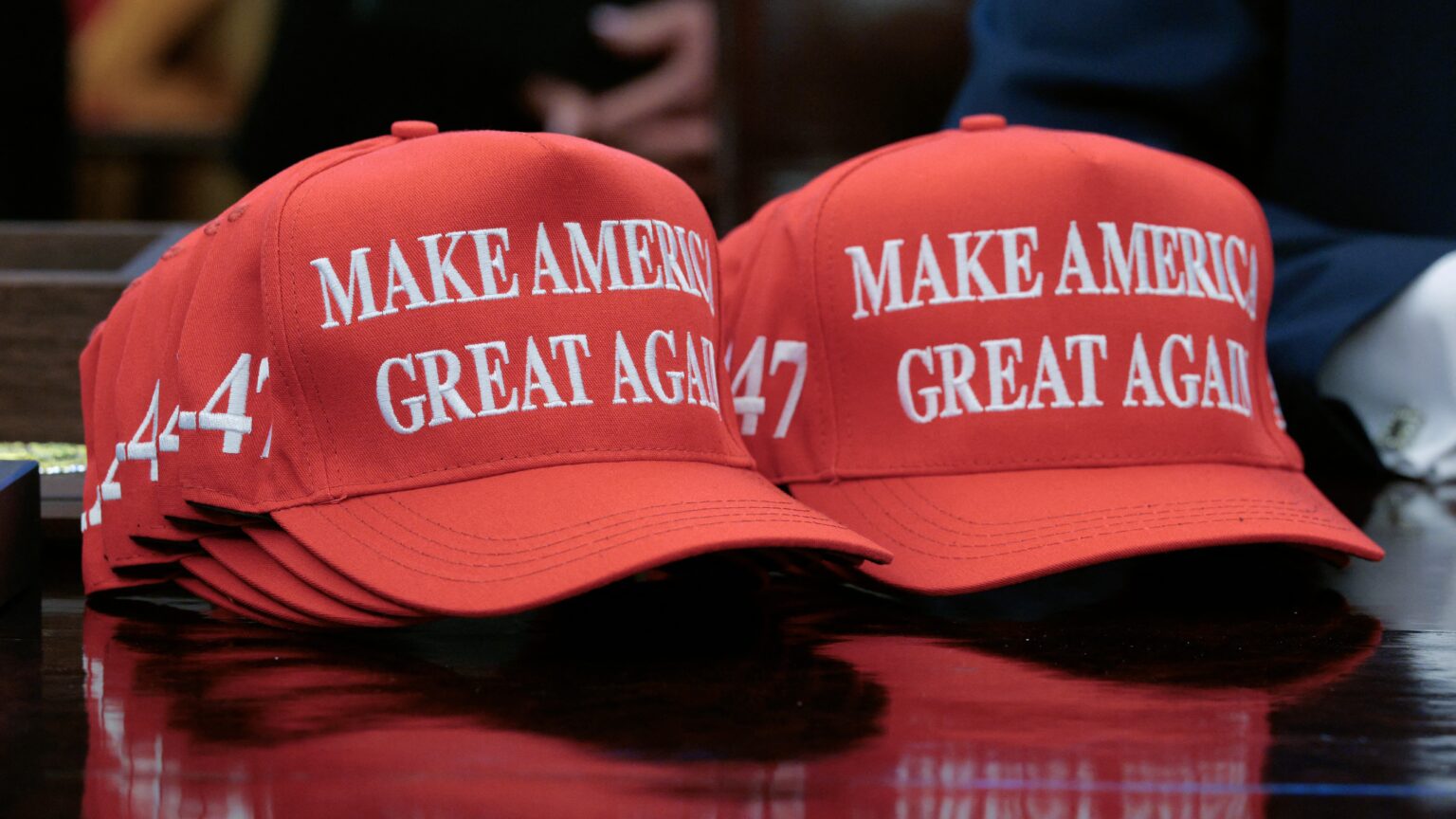
‘In short, what the majority of the world has perceived as the United States trying to do away with the status quo is, in reality, the US’s attempt to preserve it.’

‘To encourage private enterprises to decrease their dependence on U.S. currency, financial systems, trade, and technology, European leaders would have to offer alternatives that are equally convenient, cost-efficient, and technologically advanced as those provided by the U.S. Currently, such options do not exist’

‘Many Hungarians look at Germany, France, Belgium, and even Spain and Italy as countries to follow. However, if many of them were to live for a few months in most neighbourhoods of those countries, they would be in for an unpleasant surprise. Western Europe has unfortunately stopped being what it once was: a place with low crime where people could live comfortably.’
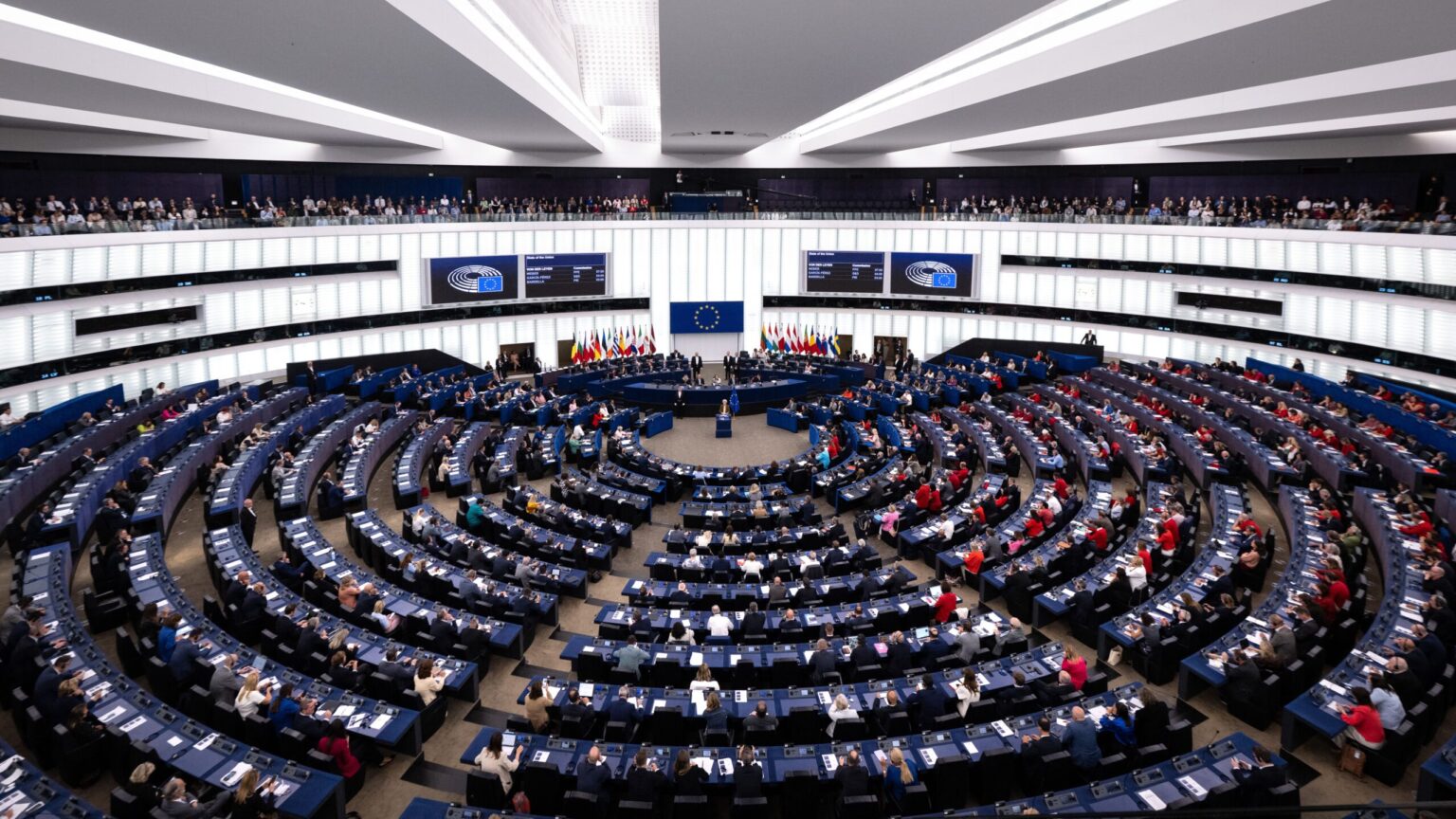
‘In the longer term, a broader strategic shift is needed. Europe must abandon the illusion of forced uniformity to avoid internal tension within the European Union and the risk of disintegration. The motto of united in diversity should be applied in practice too, to ensure that the level of integration is determined by the conscious and sovereign decisions of the Member States…’

‘History aside, millions of Muslim migrants are currently destabilizing parts of Europe, and jihadist organizations…to terrorize “infidels” across Africa, Asia, and the Middle East. Are we seriously to believe that the existence of the Jewish state is necessary to explain disturbing patterns of Islamic behavior that have existed since the dawn of Islam, 14 centuries ago?’
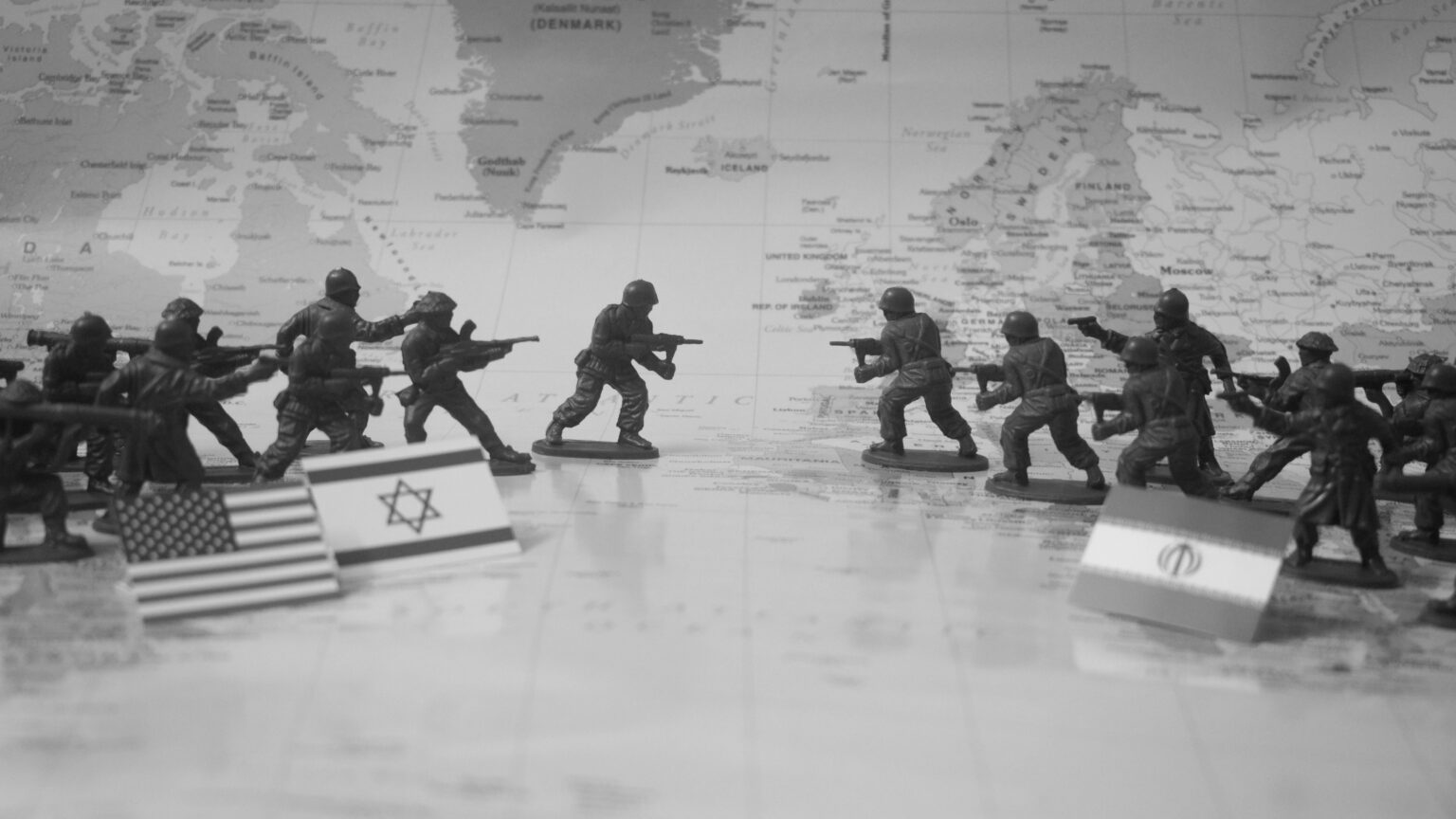
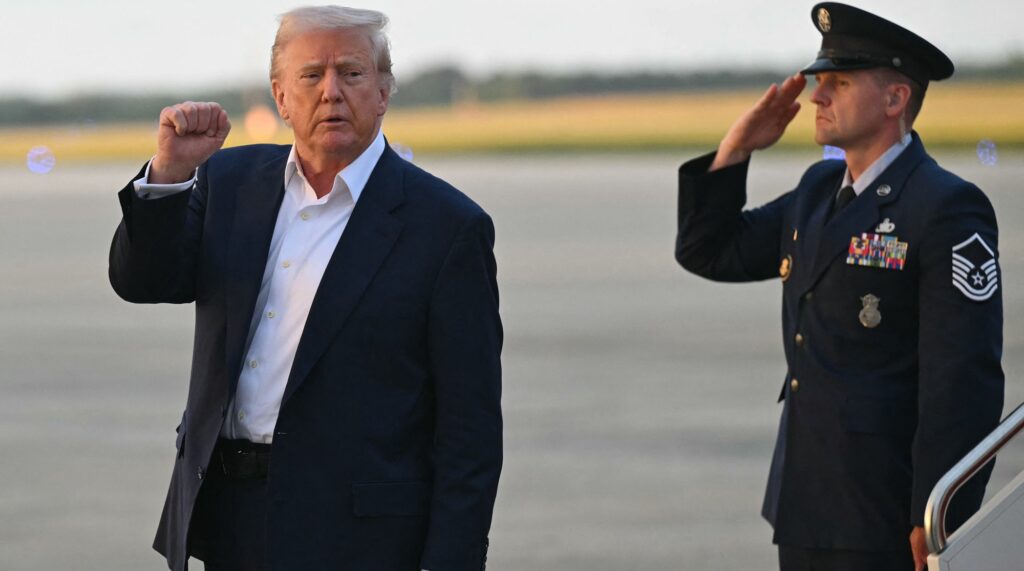
‘Trump has propagated a series of inaccuracies concerning the conflict. He has asserted that the U.S. has “eliminated 100 percent of Iran’s military capacity”, while Tehran persists in causing harm across the region. Furthermore, he has stated that the war is nearing its conclusion, even as he requests additional troops from various parts of the world.’

‘In light of the aspiration for digital immortality or a body enhanced by cybernetics, the Church reminds us that fragility and suffering are not flaws to be eradicated, but rather fundamental aspects of our existence that connect us to God.’
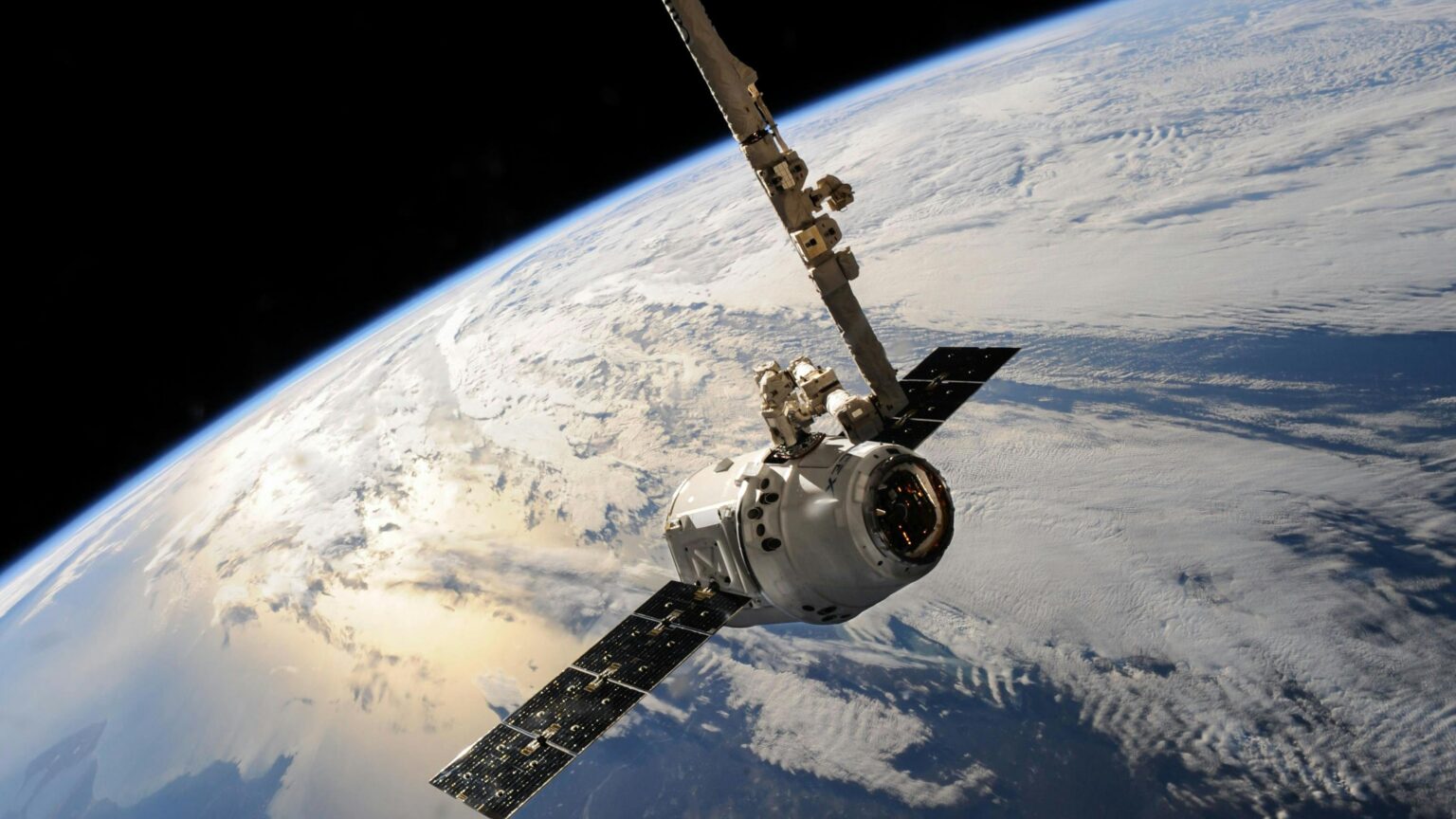
‘The question is therefore not whether Hungary can compete with great powers in space—the answer is obvious. The question is whether it can secure a position in which it is not merely a user but a partial shaper of the emerging new infrastructure.’
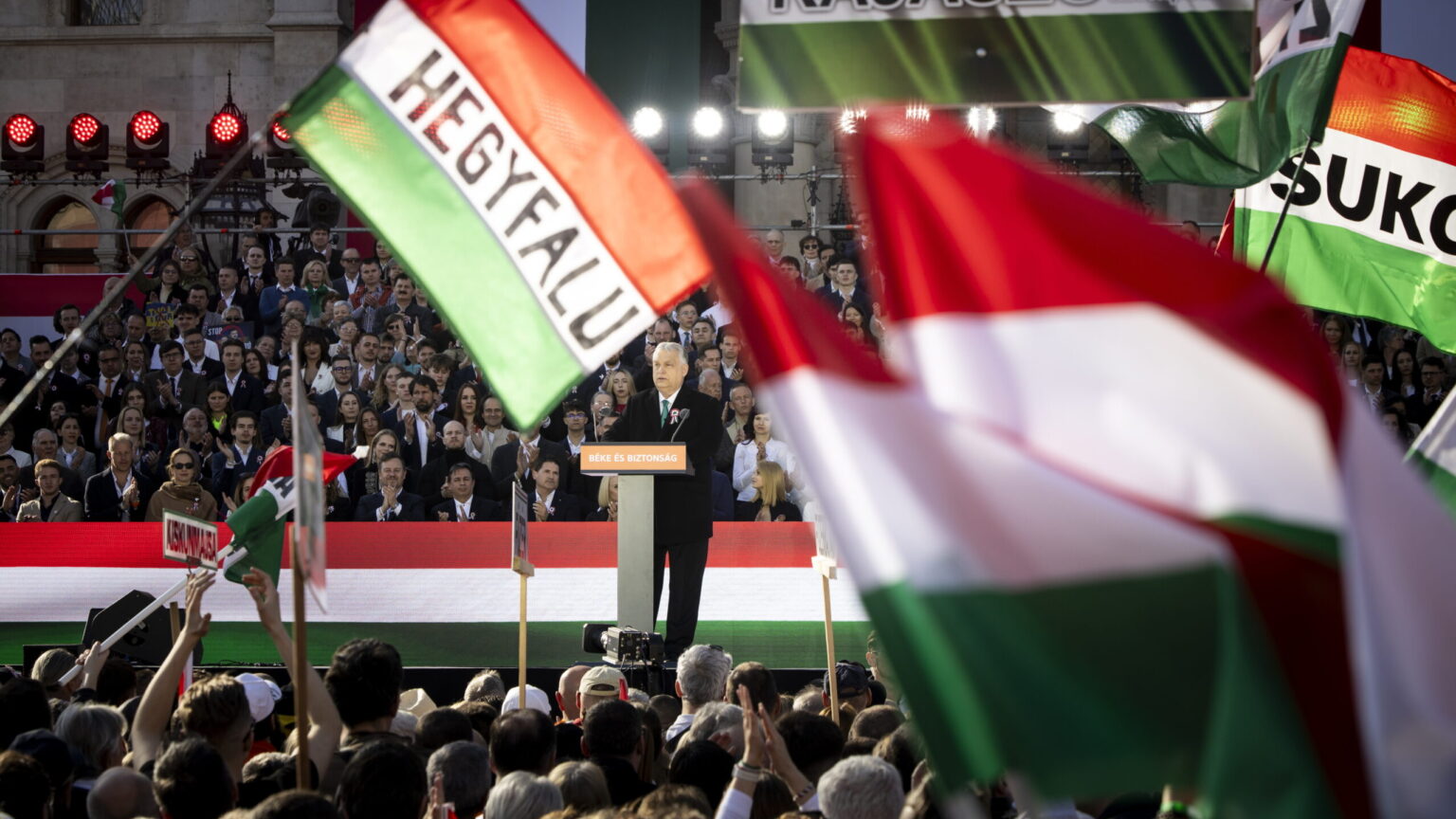
With less than two weeks until Hungary’s parliamentary election, the campaign has escalated into a complex hybrid confrontation driven by competing narratives, foreign intelligence involvement, and unprecedented disinformation. To understand why, it is necessary to examine how Hungary has transformed into a geopolitical pivot where Western and Eastern great-power interests collide.

Hungarian Prime Minister Viktor Orbán is seeking a fifth consecutive term, but faces his most serious challenge in over a decade from opposition leader Péter Magyar of the Tisza Party. With polls tightening, who is more likely to prevail in this pivotal election?

‘In short, for over 1,200 years—punctuated by a Crusader-rebuttal that the modern West is obsessed with demonizing—Islam posed an existential threat to Christian Europe—and, by extension, Western civilization.’
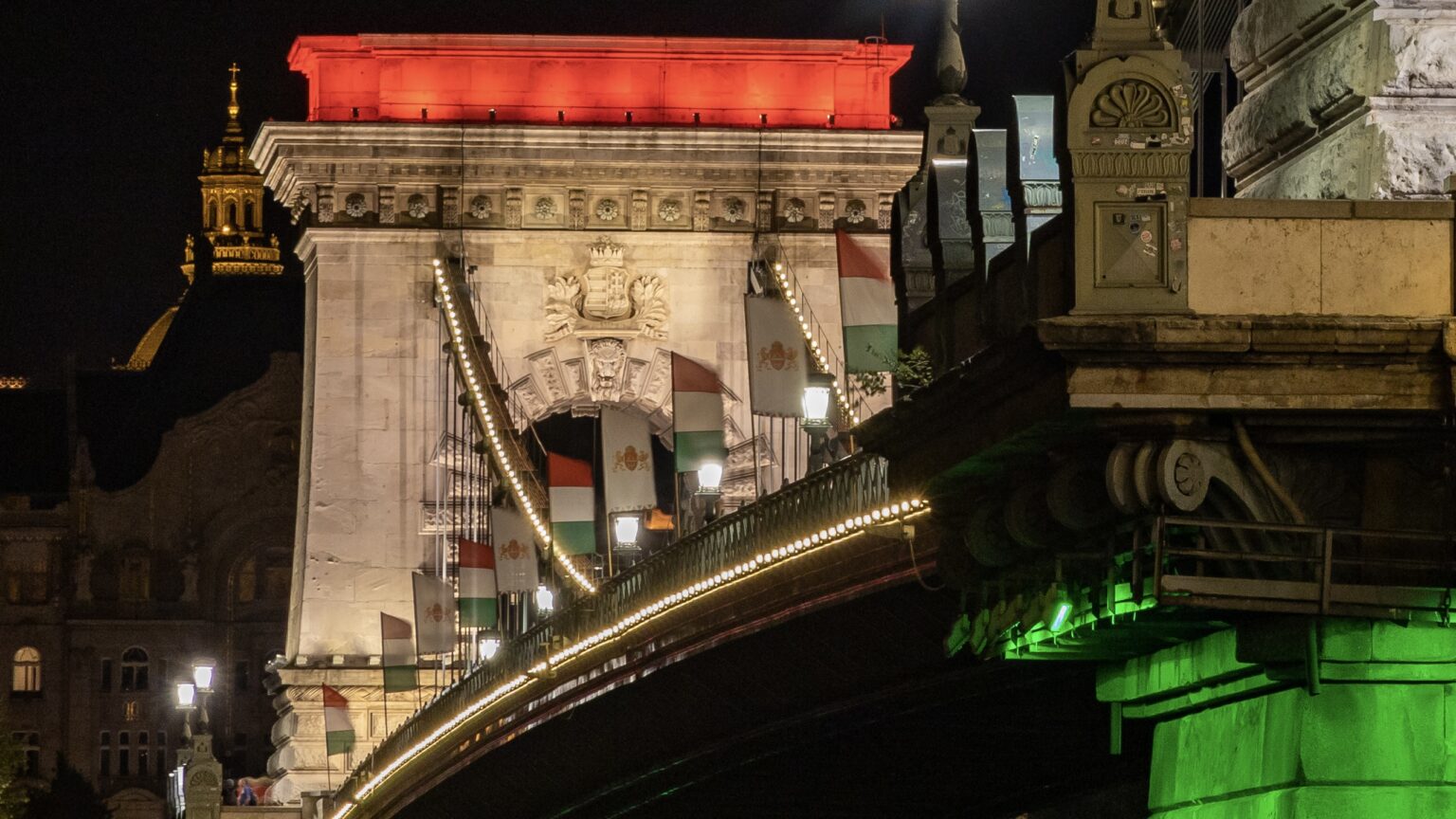
‘In a world defined by global communication and transnational ideological networks, can elections in any country truly be insulated from international political currents?’

Back in November 2024, Tisza Party’s Péter Magyar tried to dub the secret recordings released by his ex-girlfriend Evelin Vogel ‘the Hungarian Watergate’. Now, he is appealing to the historic political scandal that brought down US President Richard Nixon in 1974 again. Does he have a case now with his comparisons?
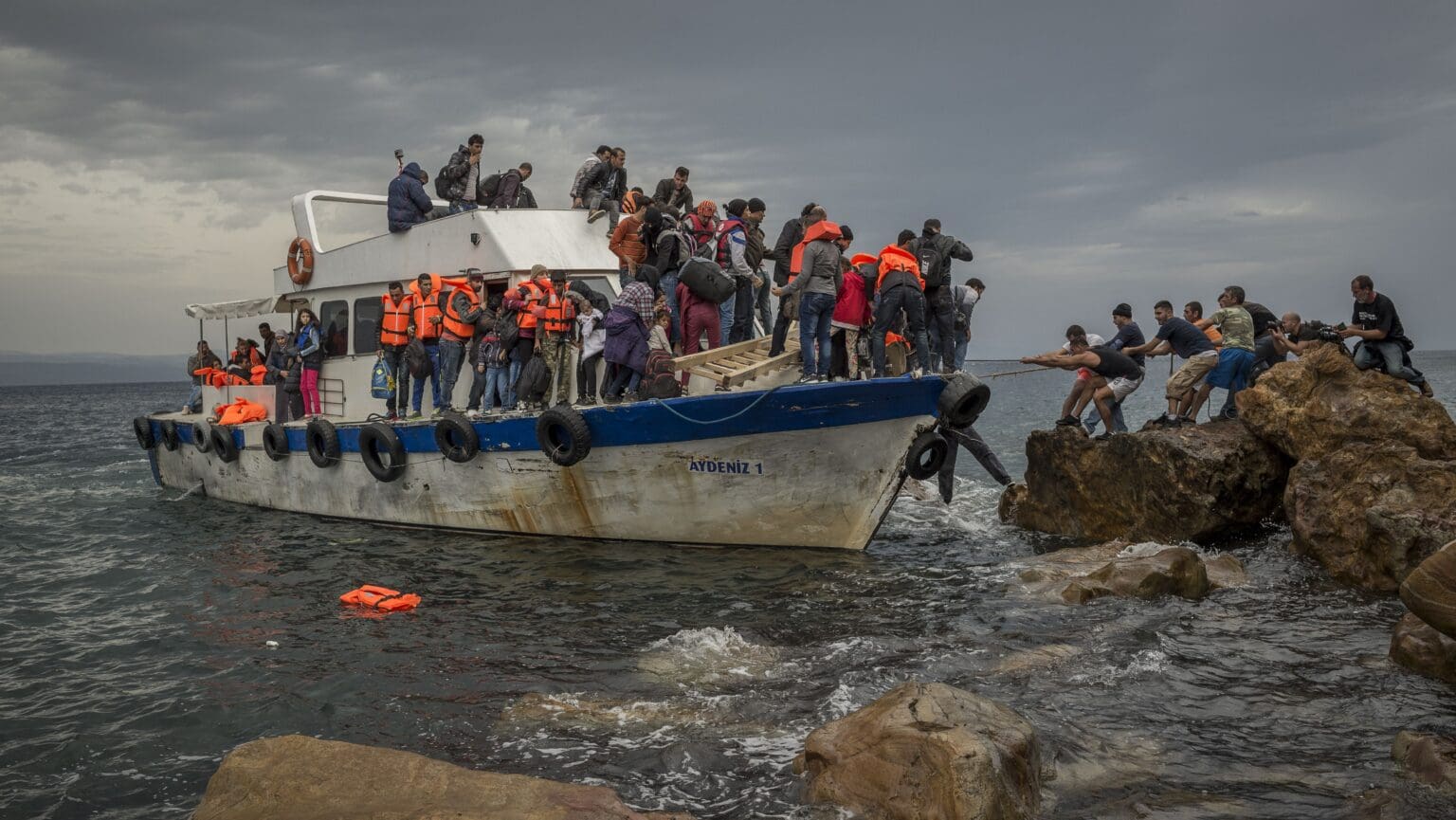
With the war in Iran dragging on and millions displaced, Europe could face a migration crisis even larger than in 2015. Critics argue the EU’s new Migration and Asylum Pact is ill-equipped, calling for Member States to regain control and manage migration grounded in national sovereignty.
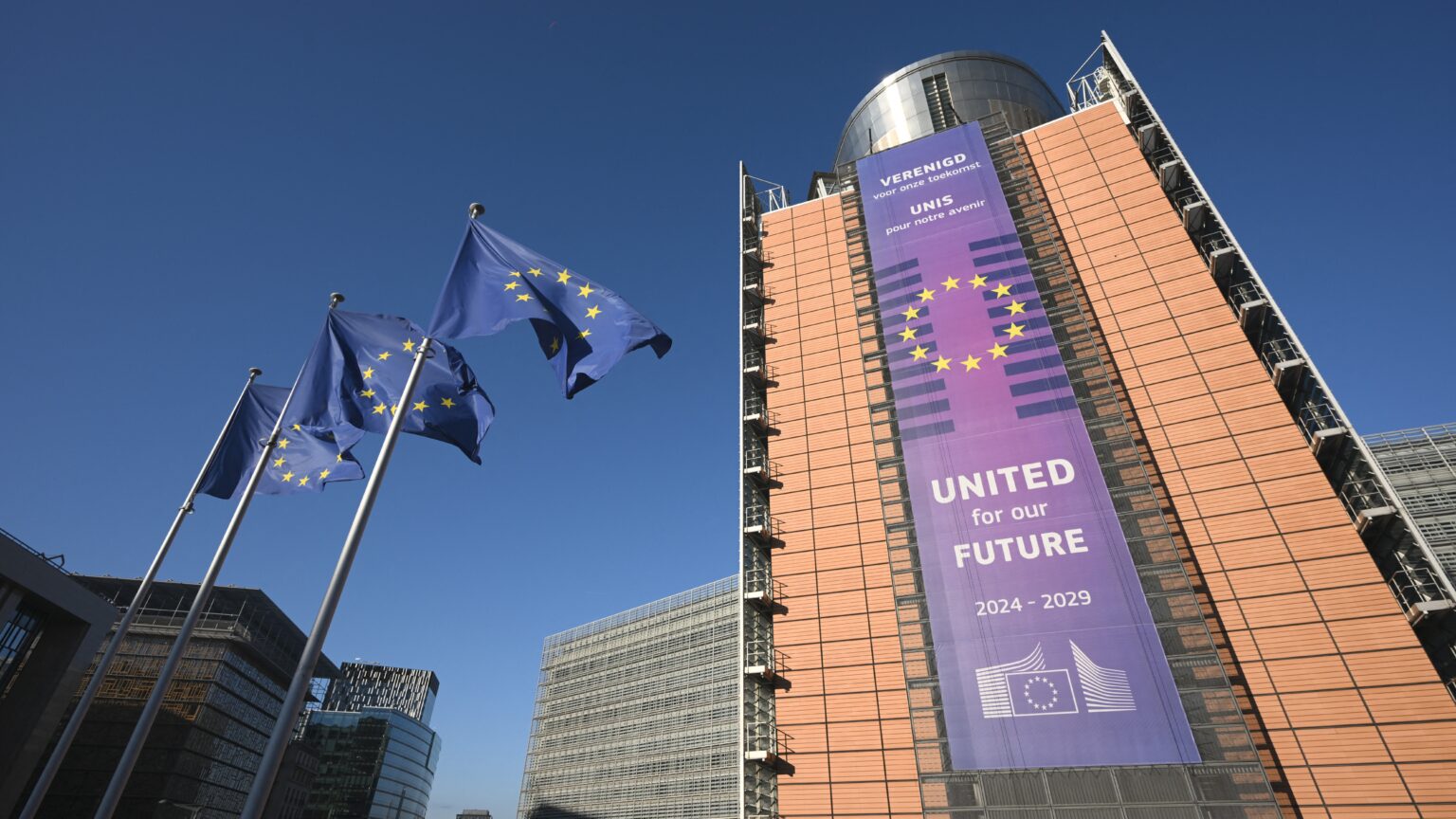
‘Step by step, competences are expanded without Treaty change, hollowing out the very legal framework that created the Union. If powers can be redefined without consent, sovereignty becomes fiction. Integration without sovereignty is not cooperation—it is merely empire-building.’

‘Do we really want to turn European politics into a game where the intelligence services of member states spy on the politicians of other member states and leak these conversations to the press? This type of politics would obviously destroy the European project itself—and it would do so quickly.’

‘The future of Iran—and the entire Middle East—will be determined before our eyes one way or another relatively soon. As President Trump orders thousands of more troops and assets to join the campaign in the Middle East, the world is waiting to see how far the United States will go to meet its objective.’
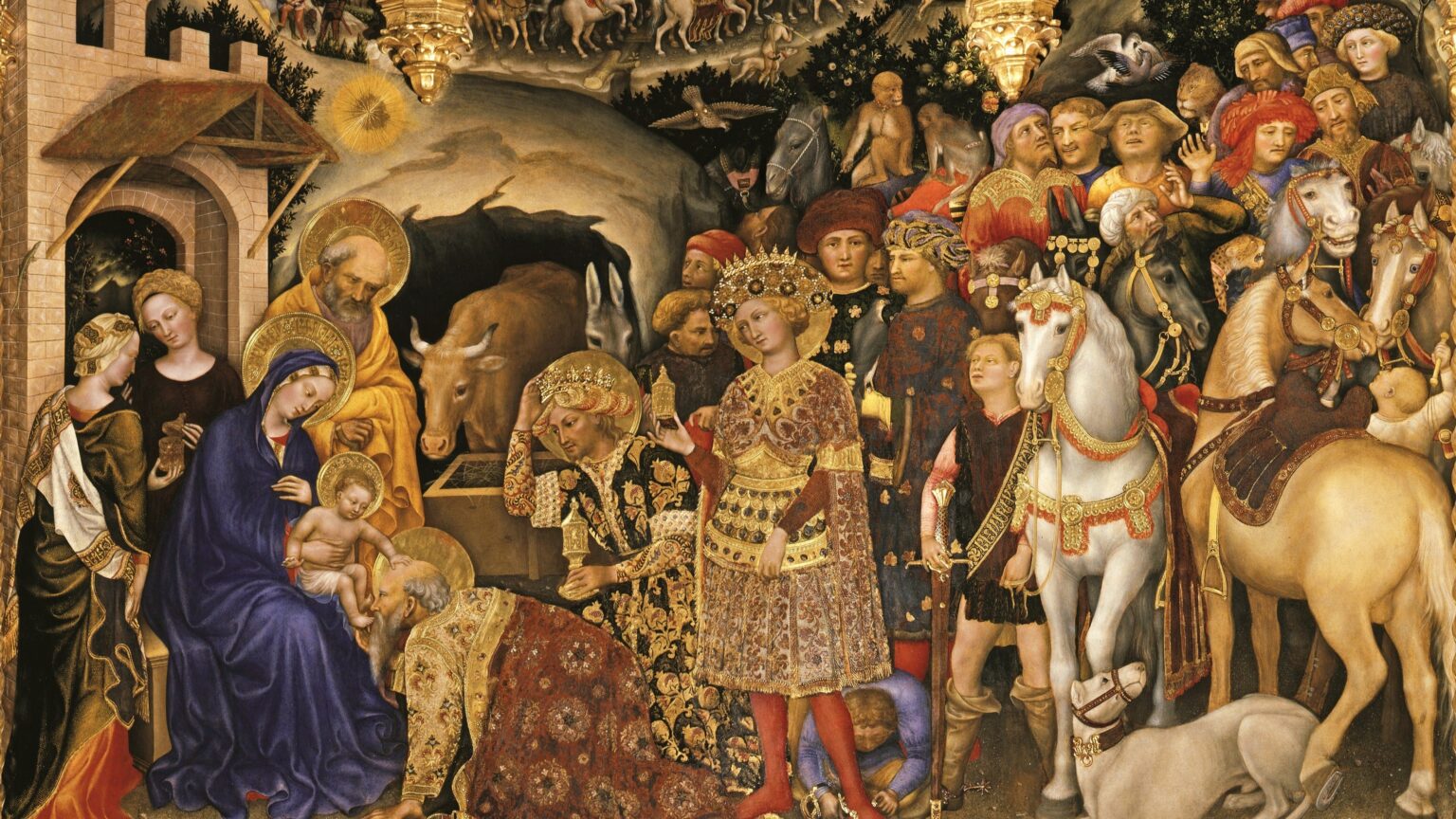
‘The idea that Muslims can be true to their religion and yet naturally fit into Western society is false and built on an equally false premise: that Christianity somehow also had to moderate itself to fit into a secular society. In fact, Christian principles, which are so alien to Islam, were fundamental to the creation of the West.’
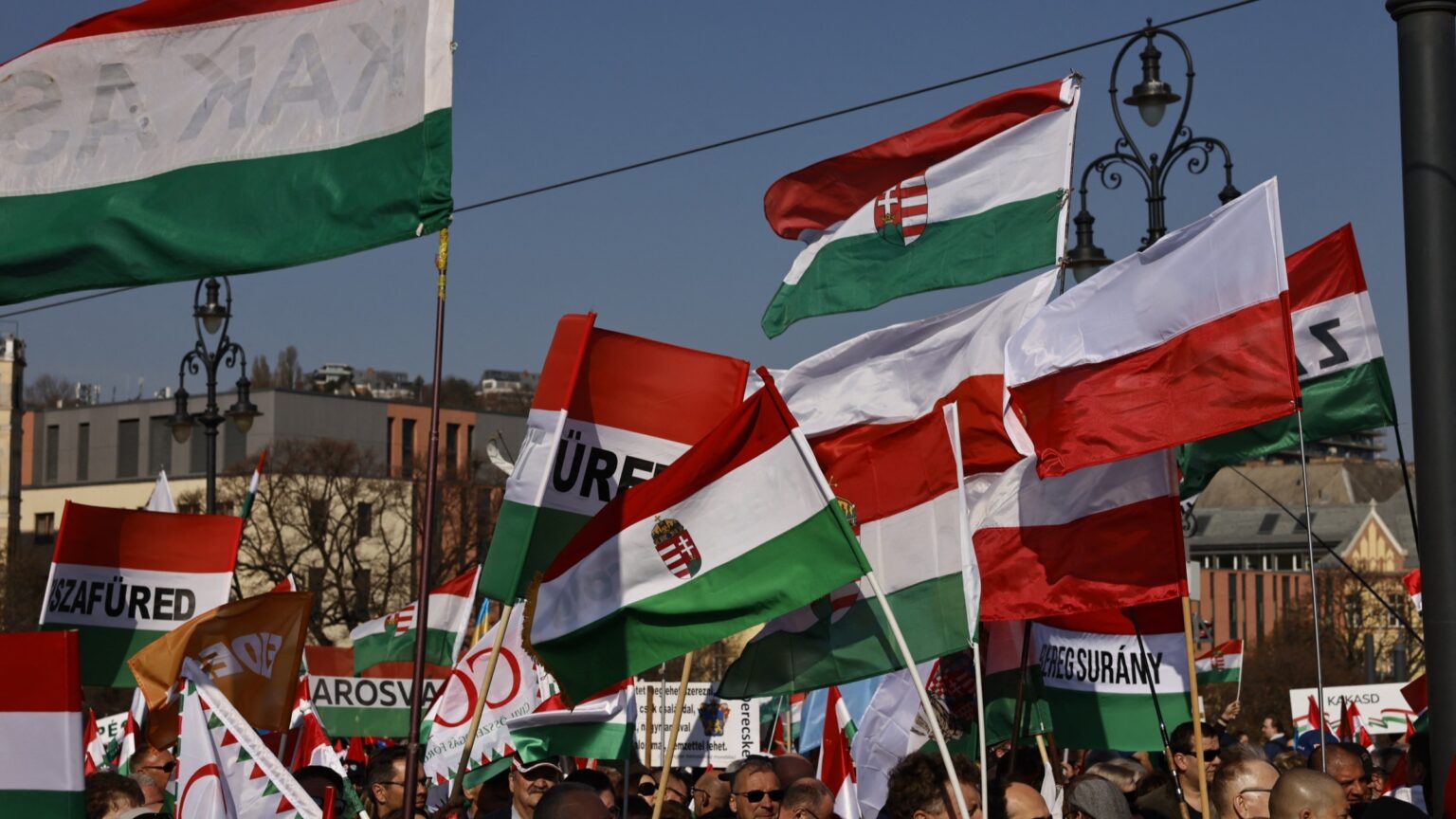
‘The Hungarian election forces us to see the civilizational choice clearly. We will either continue dissolving into the failures of the liberal project, or we will recover our birthright with the support of that ancient civilizational glue which made Europe great in the first place.’
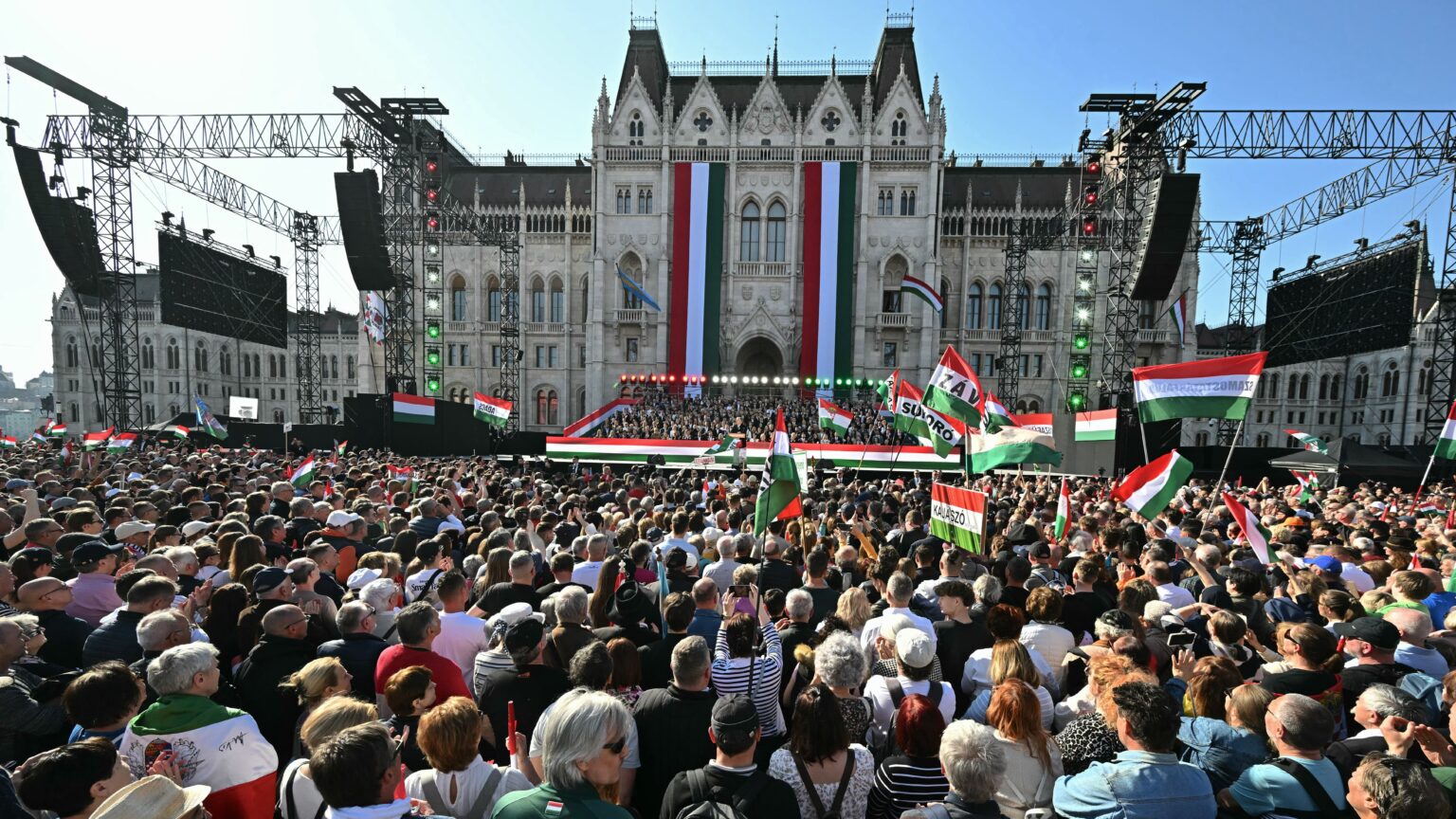
‘Across Central Europe, especially during communism, Britain was seen as a beacon of freedom, democracy and human rights. Its descent seems both mystifying and unstoppable.’
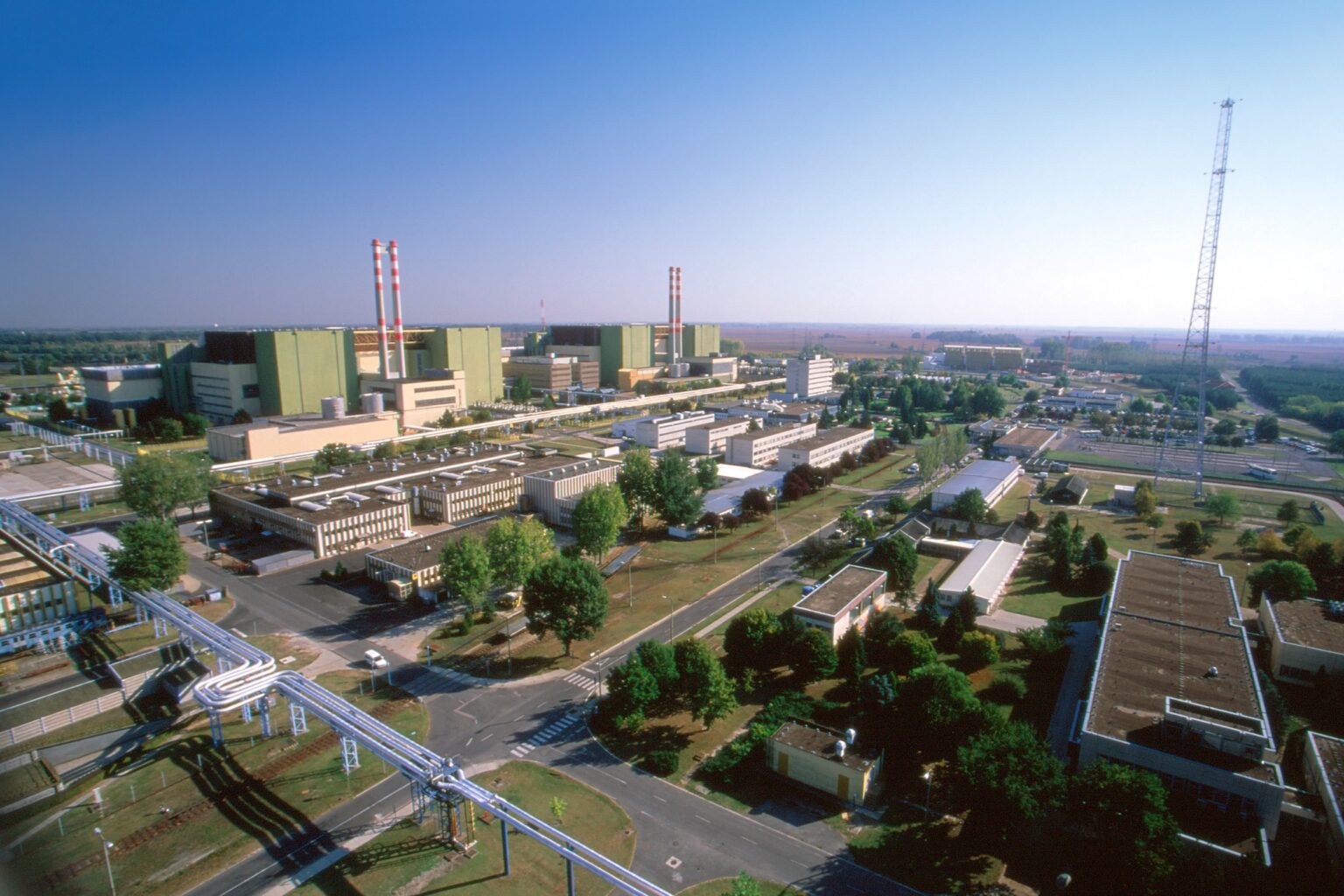
‘All three nations are interested in using Hungary to showcase their nuclear technologies to the European market—and it is the perfect place to do so. Unlike Western Europe, countries in Central Europe are heavily invested in nuclear energy, with nations such as Hungary and Slovakia generating more than 50 percent of their electricity from nuclear power.’
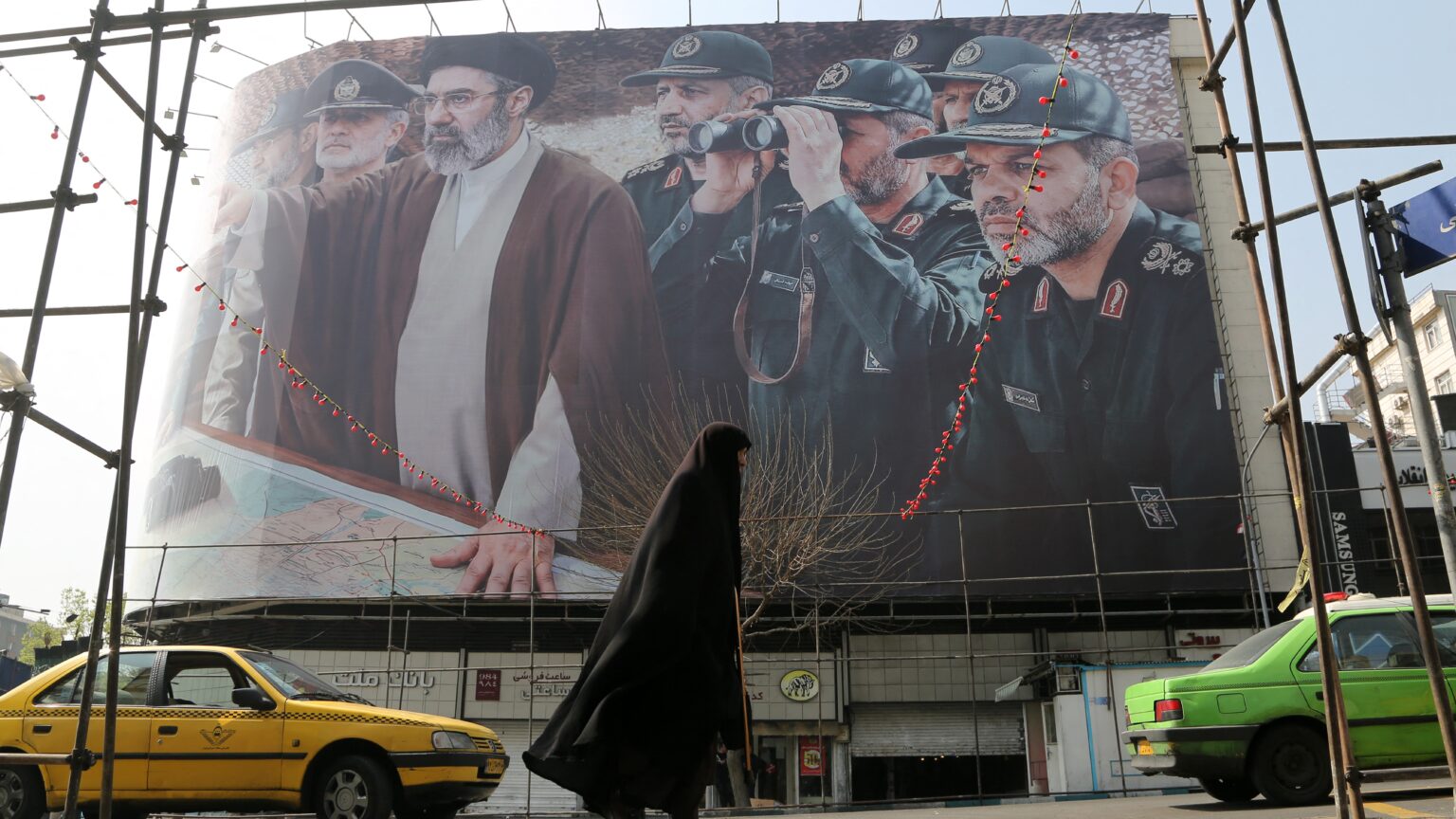
‘The administration has so far advanced multiple rationales for the campaign, encompassing Iran’s historical support for terrorism, aspirations for regime change and promotion of women’s rights, the promotion of internal political freedoms, and concerns regarding its nuclear and ballistic missile programmes.’
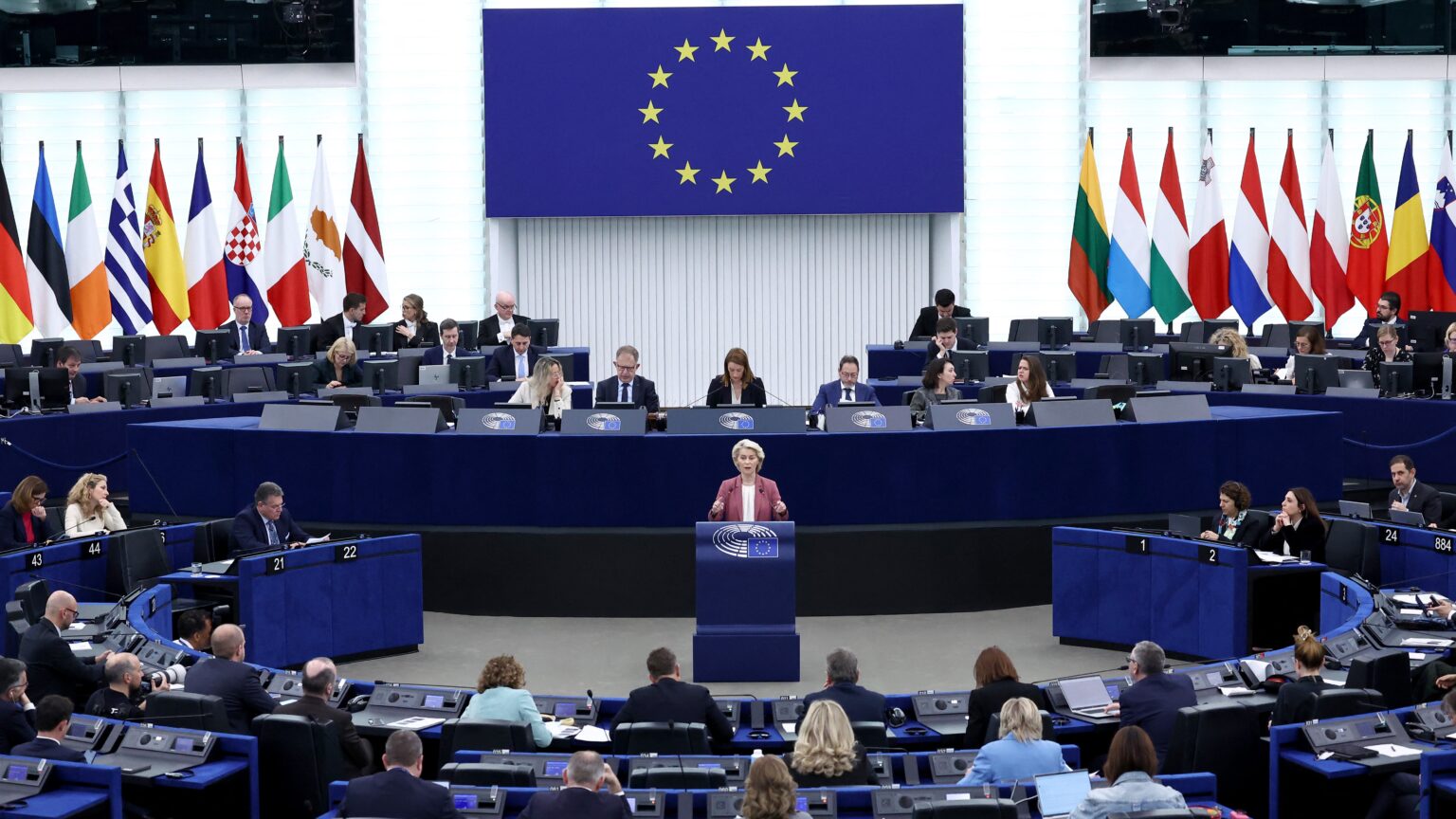
Europe faces soaring energy prices as the Middle East crisis hits. EU bans on Russian oil and gas, pursued despite Member States’ objections, collide with insufficient green energy capacity. Hungary and Slovakia struggle to secure supplies, while Brussels sticks to ideology over pragmatism.
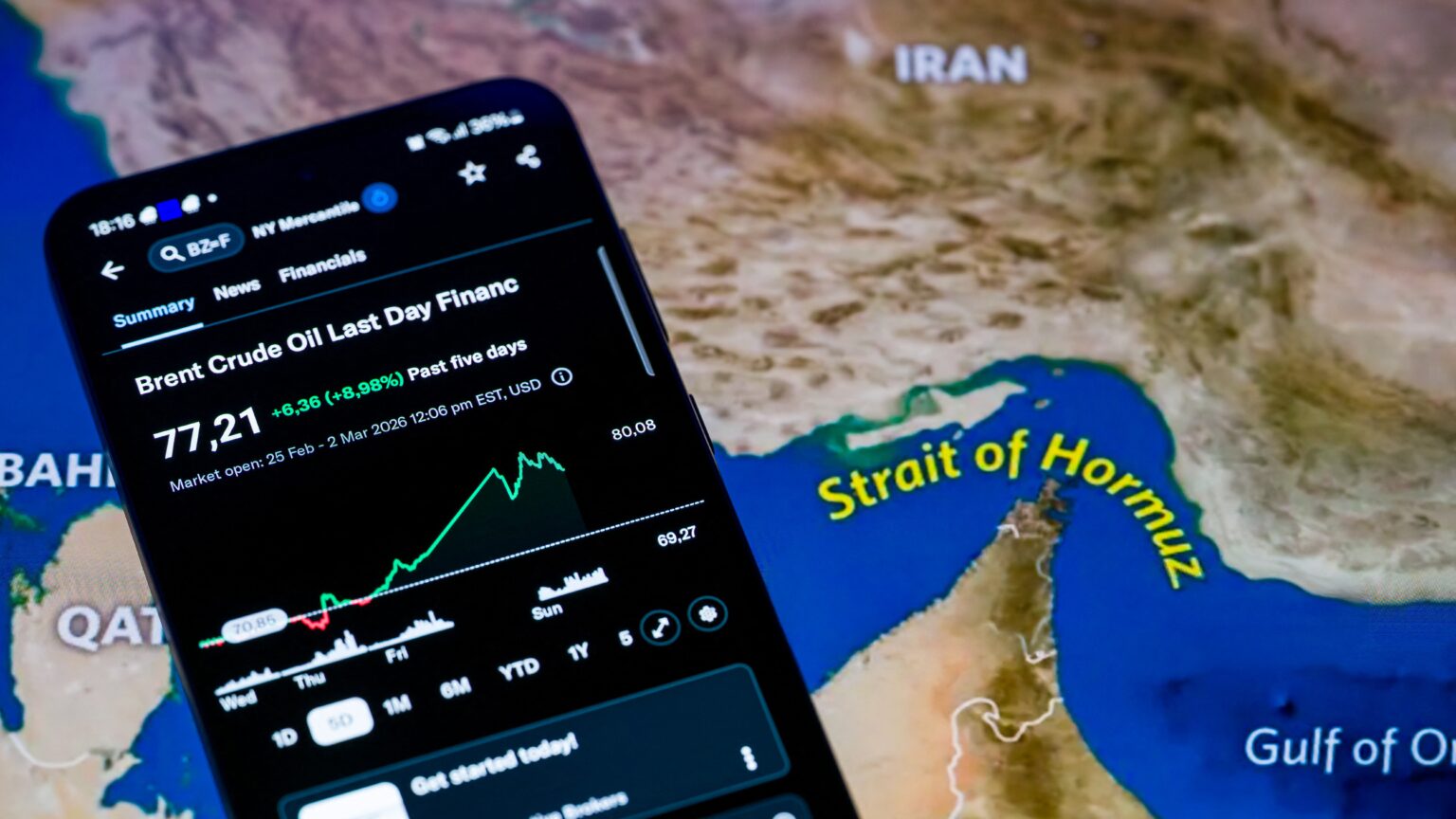
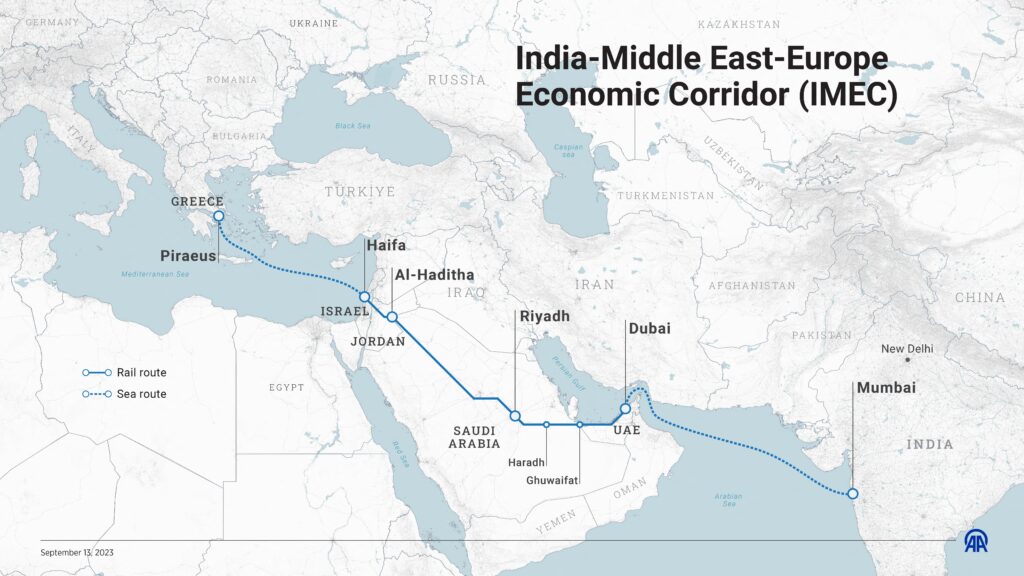
‘The joint attack by the United States and Israel against Iran, and the latter’s responses, including the closure of the Strait of Hormuz, as well as its attack targeting some energy-related facilities in different Gulf countries, have raised serious concerns worldwide about the issue of global energy security.’

‘Hungary is…very consistent, as it combines a family policy with a policy of refusing non-European immigration. It is a healthy combination that should guide all other Western countries.’