





‘Today, Zelenskyy has effectively usurped power in Ukraine. He persecutes his critics, arrests political opponents, and uses mobilization as a tool of repression. People are sent to war where they die, while none of Zelenskyy’s close associates or friends is mobilized or fighting.’
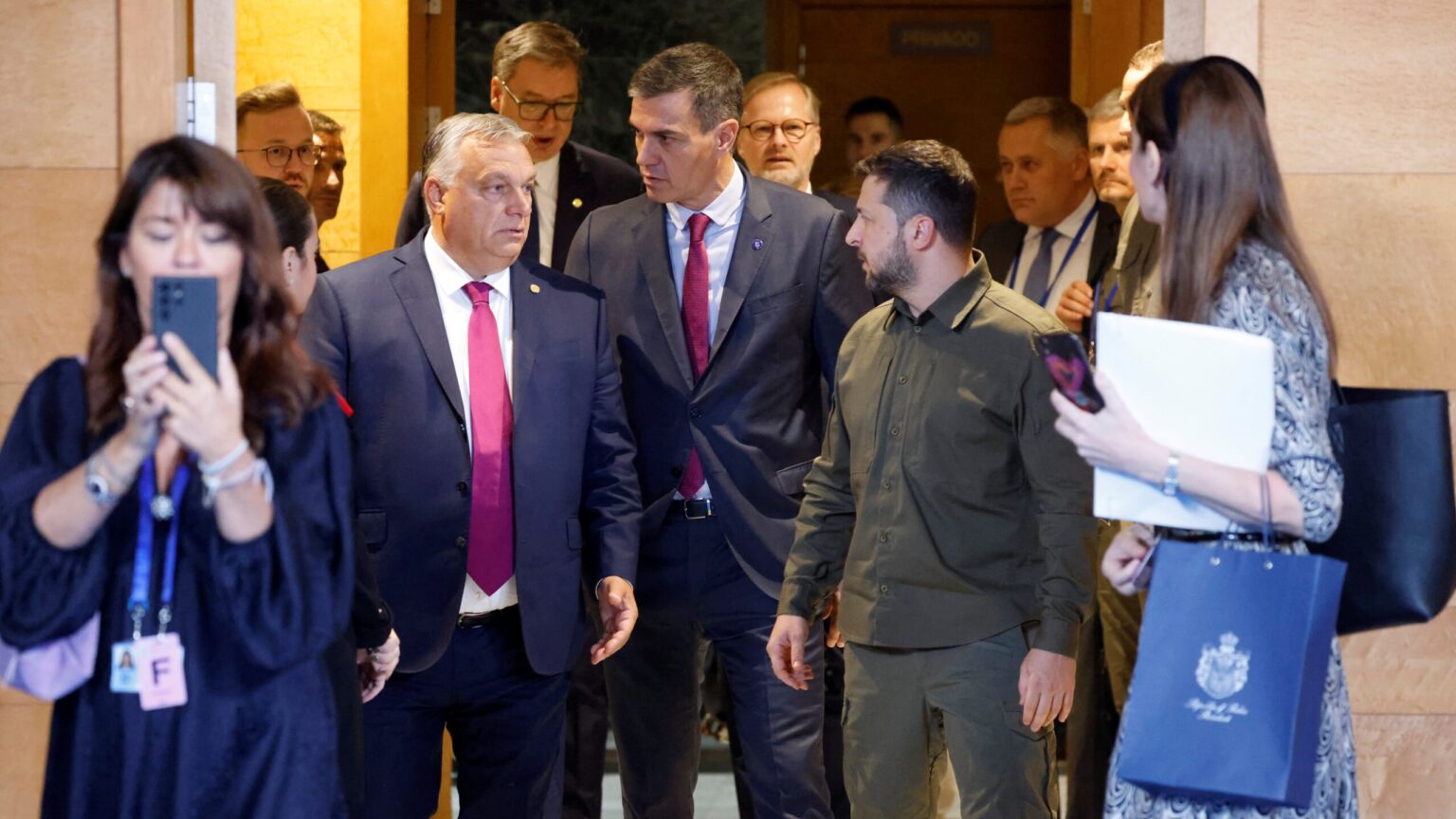
World leaders and politicians have rallied behind Hungarian Prime Minister Viktor Orbán after Ukrainian President Volodymyr Zelenskyy openly threatened him over Hungary’s decision to block the €90 billion EU loan to Kyiv.
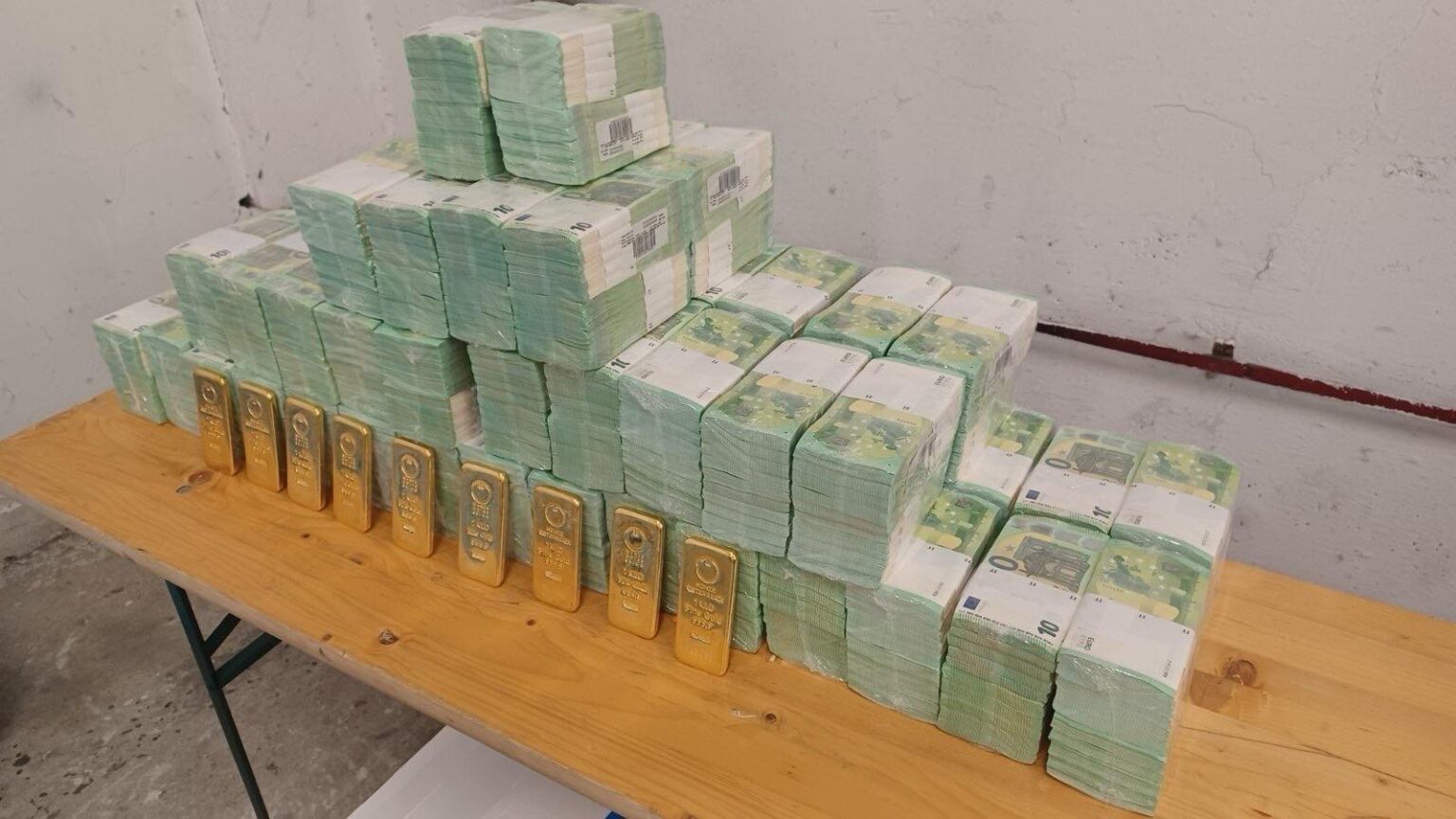
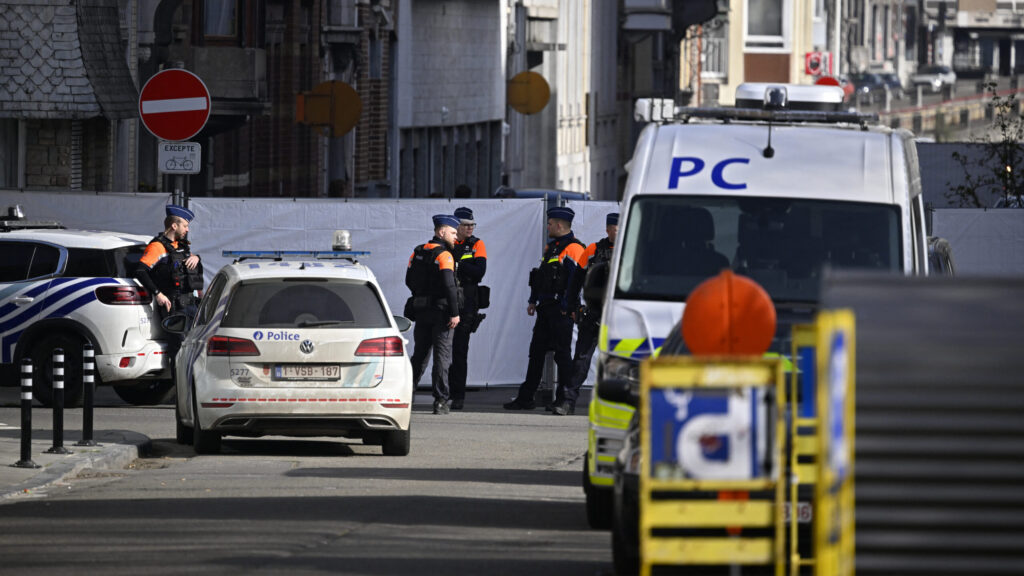
Hungarian authorities detained seven Ukrainian citizens transporting tens of millions of dollars, euros, and gold through the country in what officials called the ‘Ukrainian gold convoy operation’. Kyiv reacted sharply, warning its citizens against travelling to Hungary and accusing Hungarian authorities of illegally detaining the individuals.
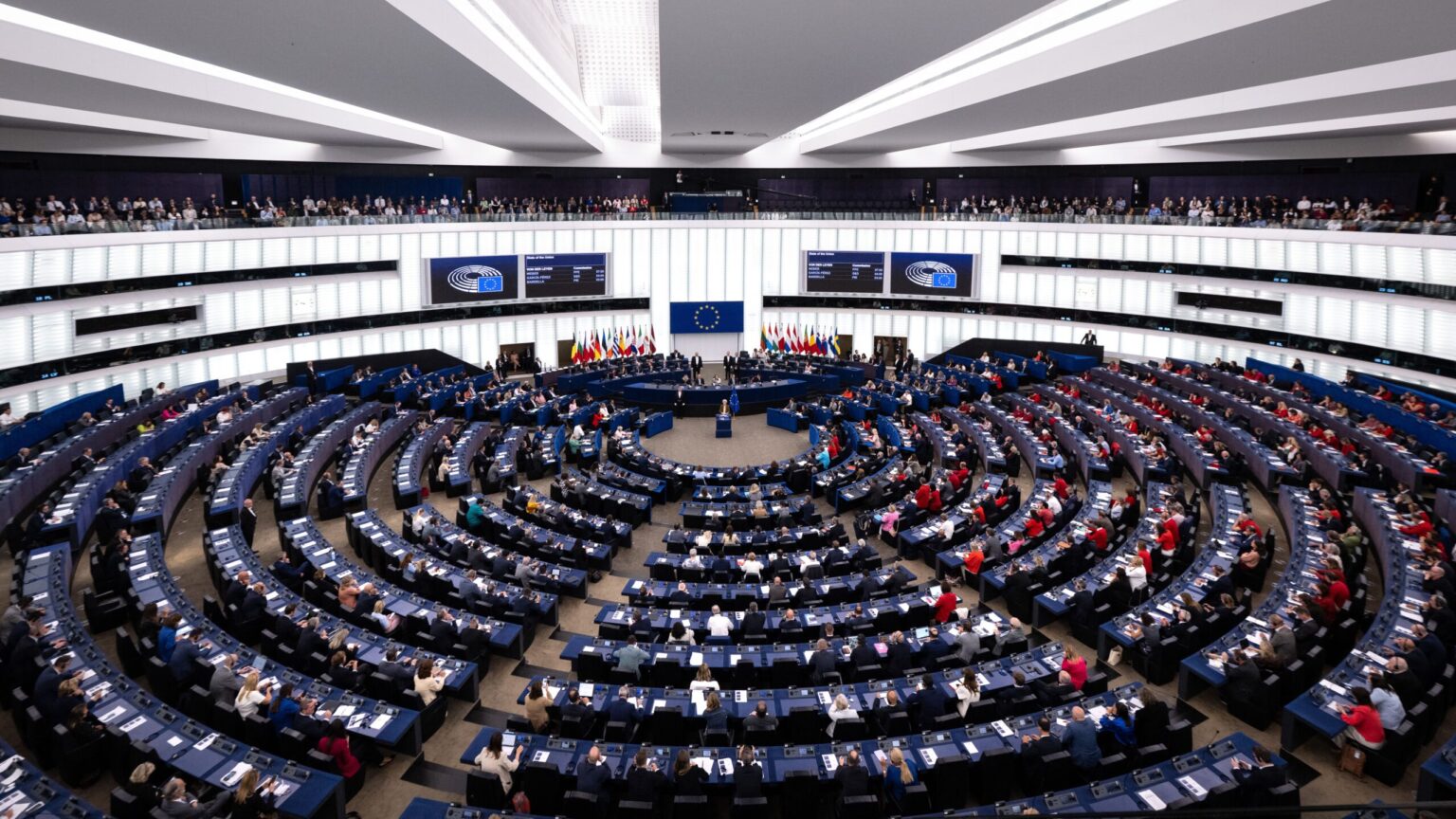
Hungarian Foreign Minister Péter Szijjártó said the European Commission failed to support Hungary and Slovakia in their dispute with Ukraine over the Druzhba oil pipeline, accusing Kyiv of blocking deliveries for political reasons and claiming Brussels was siding with Ukraine and Croatia against the two EU member states.

Foreign actors have entered Hungary’s campaign season alongside domestic political forces, according to the Center for Fundamental Rights’ latest analysis. While Brussels and Kyiv seek to influence developments, recent political events and the Center’s polling suggest the right-wing Fidesz maintains a stable lead over Tisza heading into the parliamentary race.
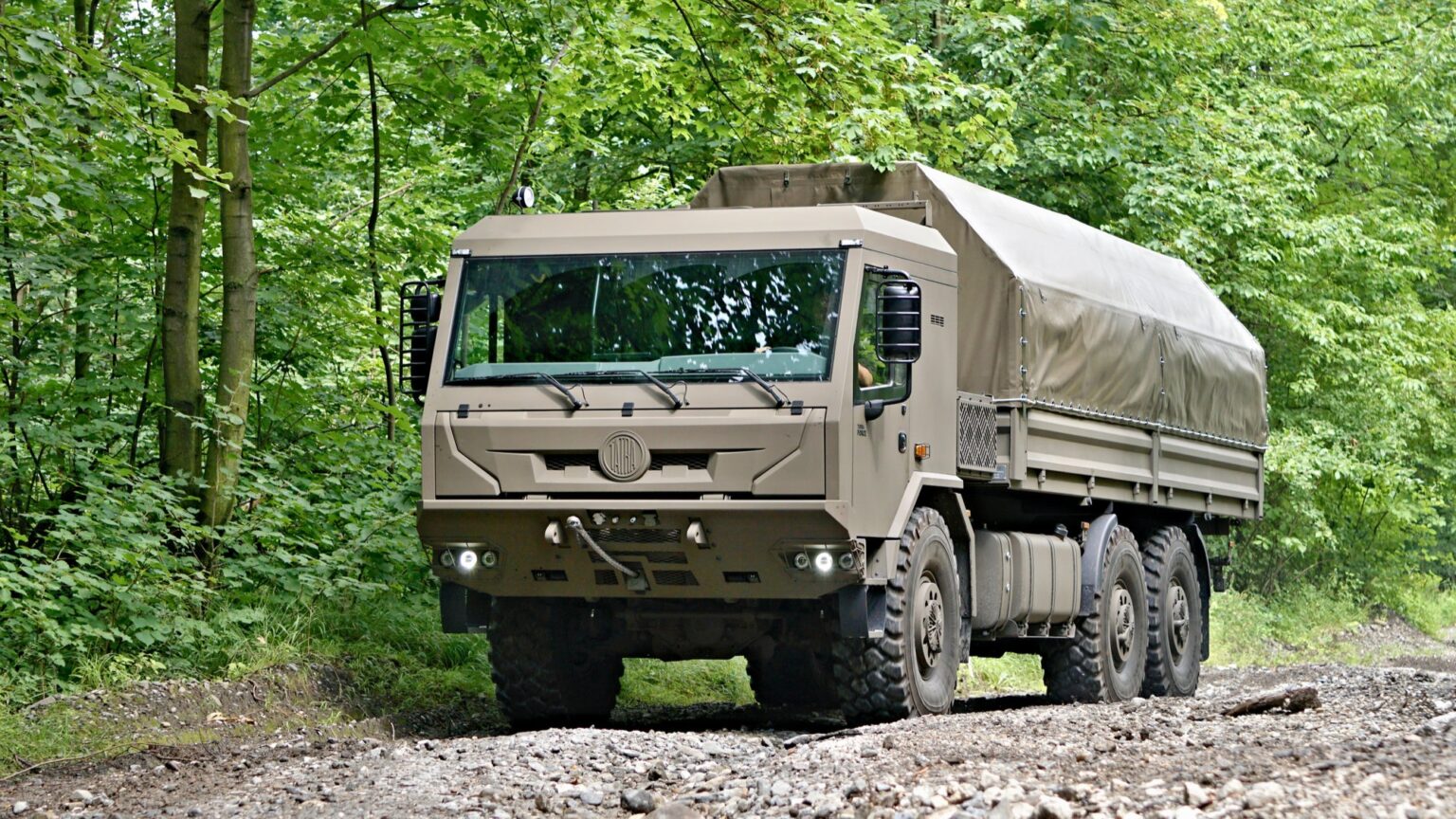
‘The project is linked to the defence industry developments of the 4iG Group and relies on the manufacturing capacity of Rába in Győr. The initiative enables Hungary to integrate certain elements of the HIMARS system with its own industrial background, while the vehicle platform and a significant part of the assembly are provided by Hungarian companies.’

Government family policies and tax reductions introduced in recent years have significantly improved opportunities and living conditions for women in Hungary, according to a new analysis by the Kopp Mária Institute for Population and Families. Indicators related to employment, education, health, public life and family support suggest that the country remains among the leading EU performers in terms of opportunities available to women.
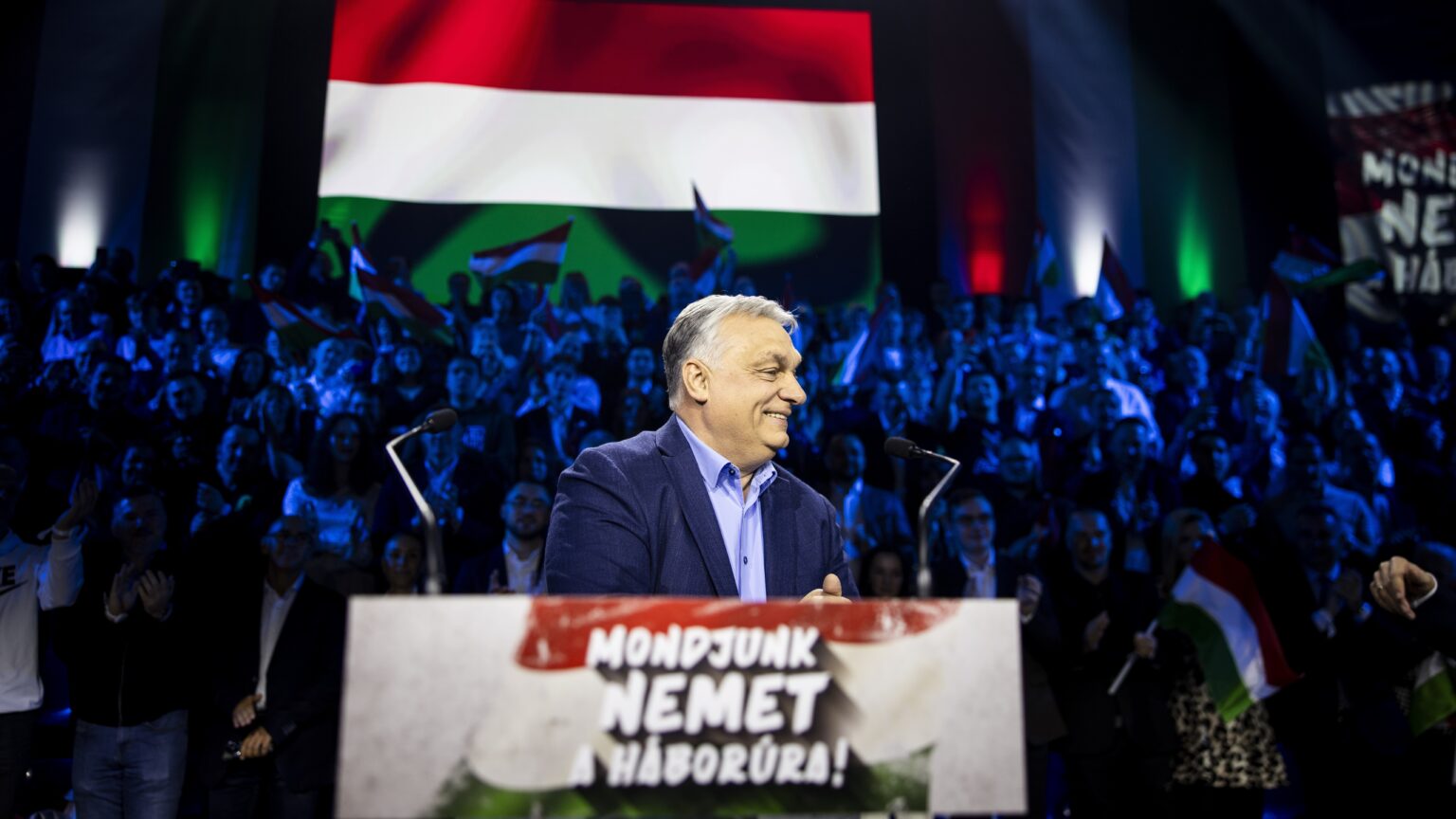
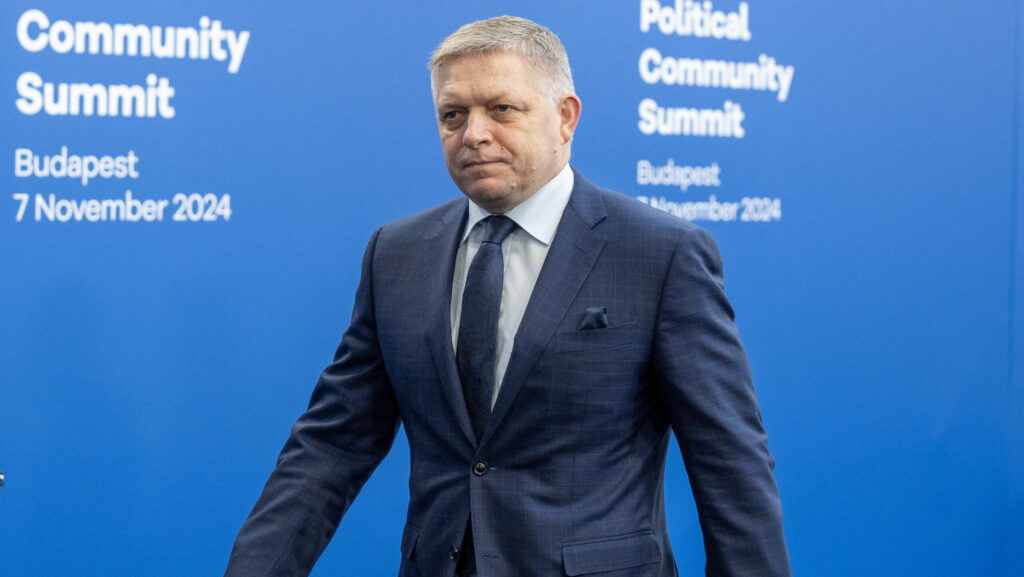
Prime Minister Viktor Orbán accused Ukraine’s leadership of ‘bandit behaviour’ and vowed Hungary would resist pressure to abandon Russian energy supplies while warning of rising geopolitical risks.
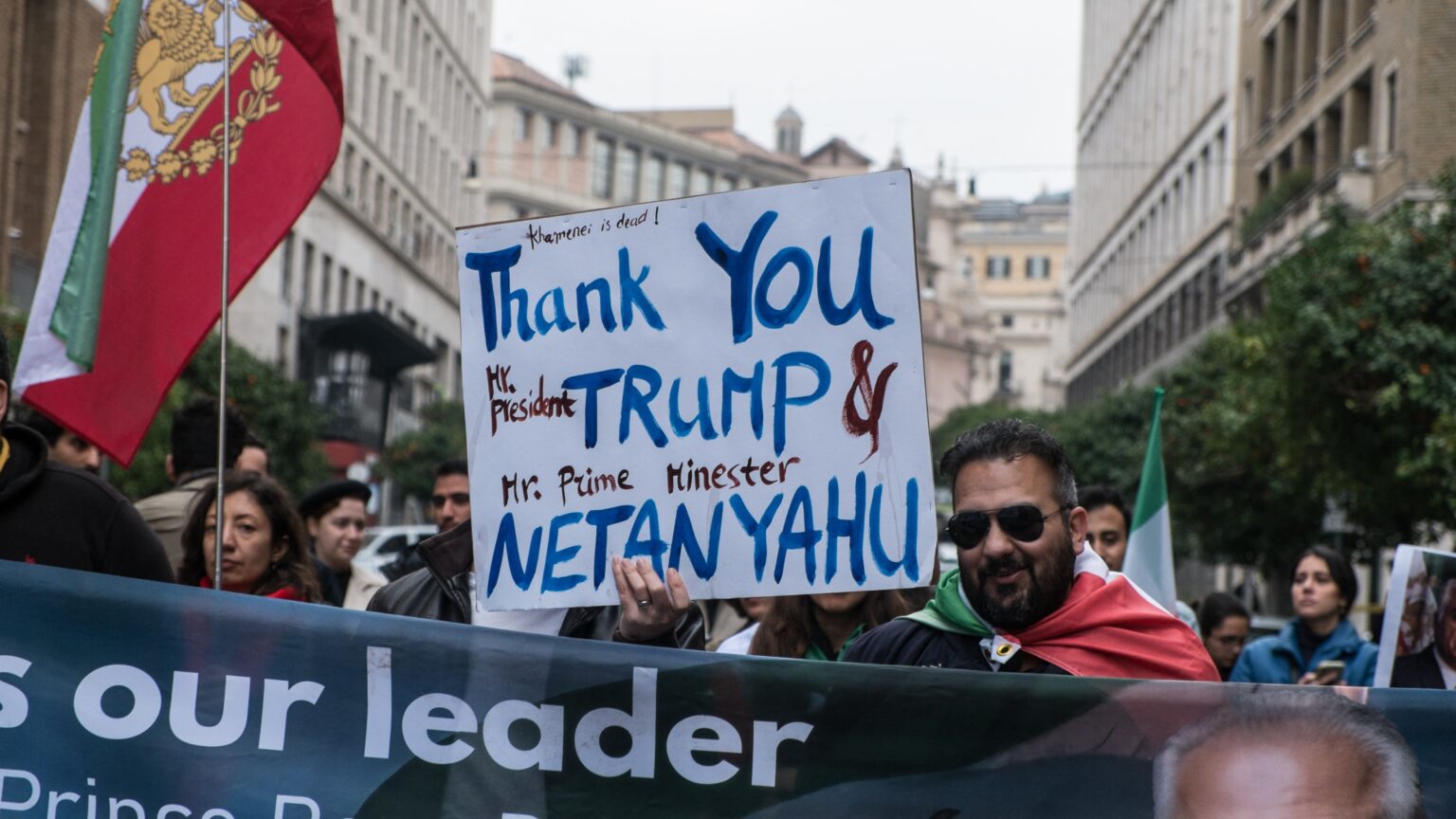
‘Khomeini and his successor Khamenei stated that the occupation of Palestine by the Jews was part of a satanic plot by the Western powers, first Great Britain and then the United States.’
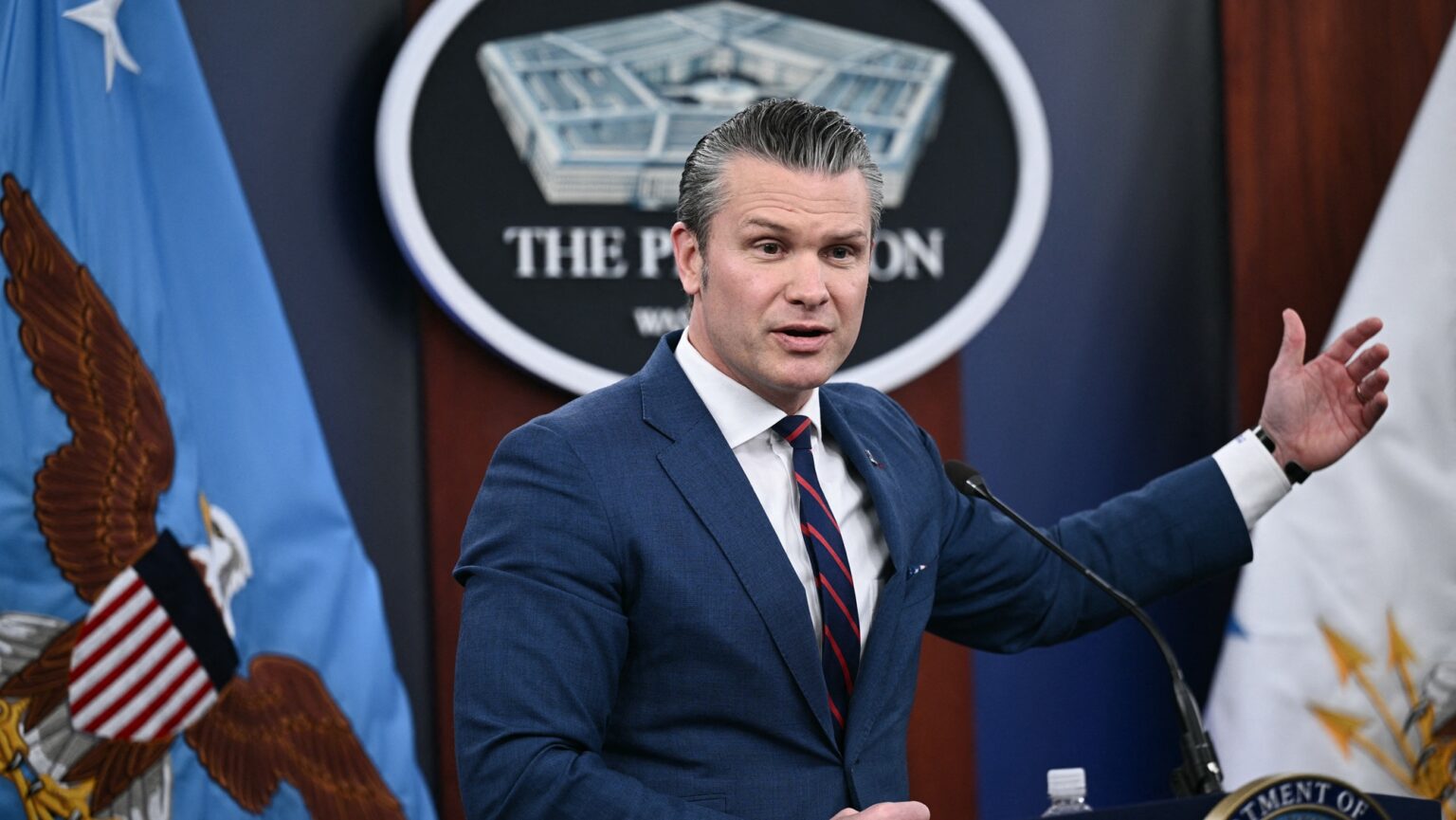
US Secretary of War Pete Hegseth said President Trump ‘got the last laugh’ over Ayatollah Ali Khamenei of Iran, who was killed in a US–Israeli air strike in Tehran last week, referring to past Iranian assassination plots against the POTUS. Hegseth also declared that America is ‘winning—decisively, devastatingly and without mercy’ in the war against the Islamist regime in Iran.
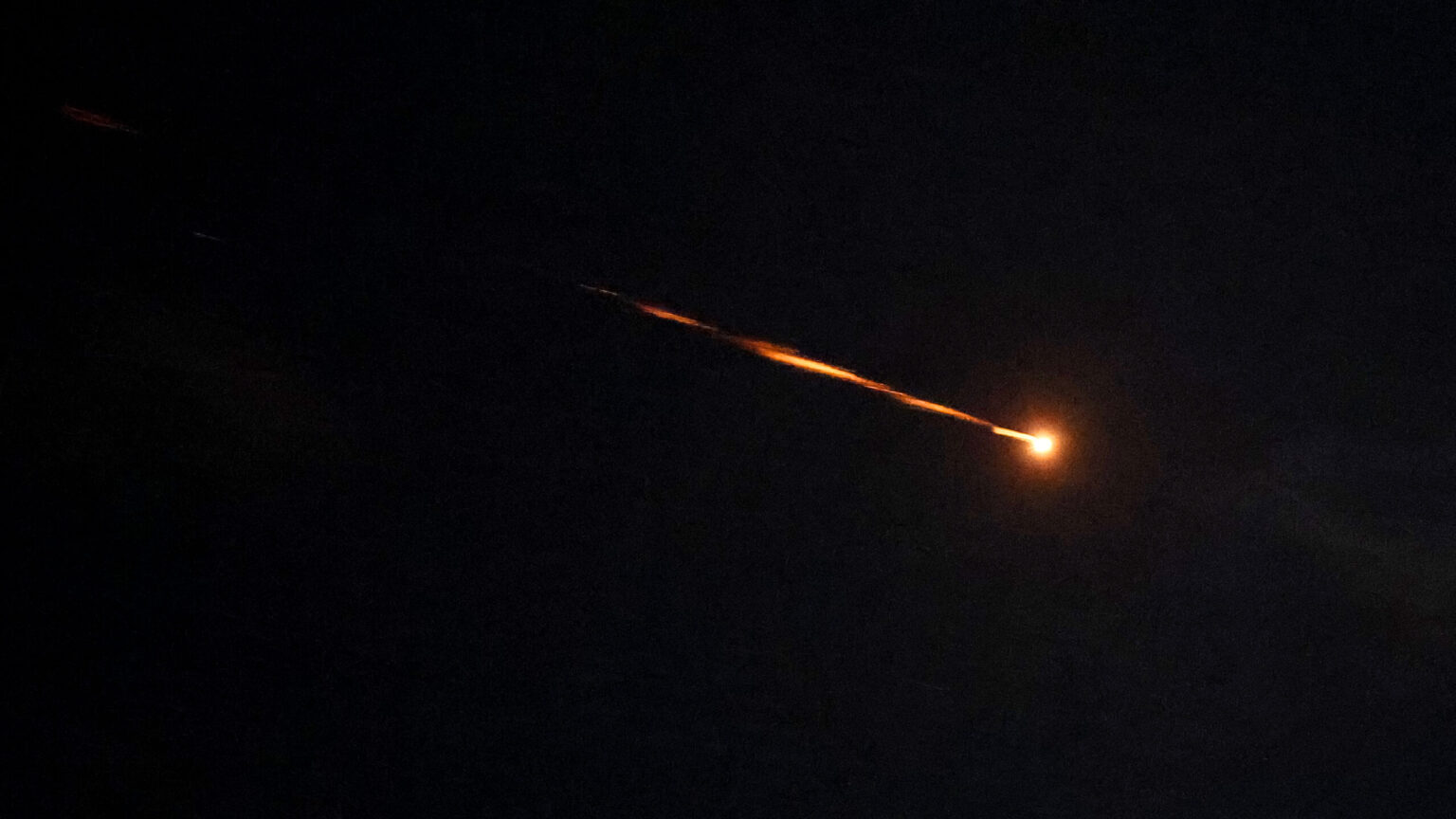
NATO Secretary General Mark Rutte condemned Iran’s ballistic missile strike on Türkiye, intercepted by Turkish and NATO defence systems, as ‘serious and absolutely condemnable’, as the escalating Middle East conflict moves closer to NATO territory. The incident comes amid a wave of Iranian retaliatory attacks across the region and growing international military deployments to protect vulnerable allies.

Hungary has launched the RAVEN satellite project, a strategic initiative aimed at testing space-based 5G and 6G communications and integrating terrestrial and non-terrestrial networks.
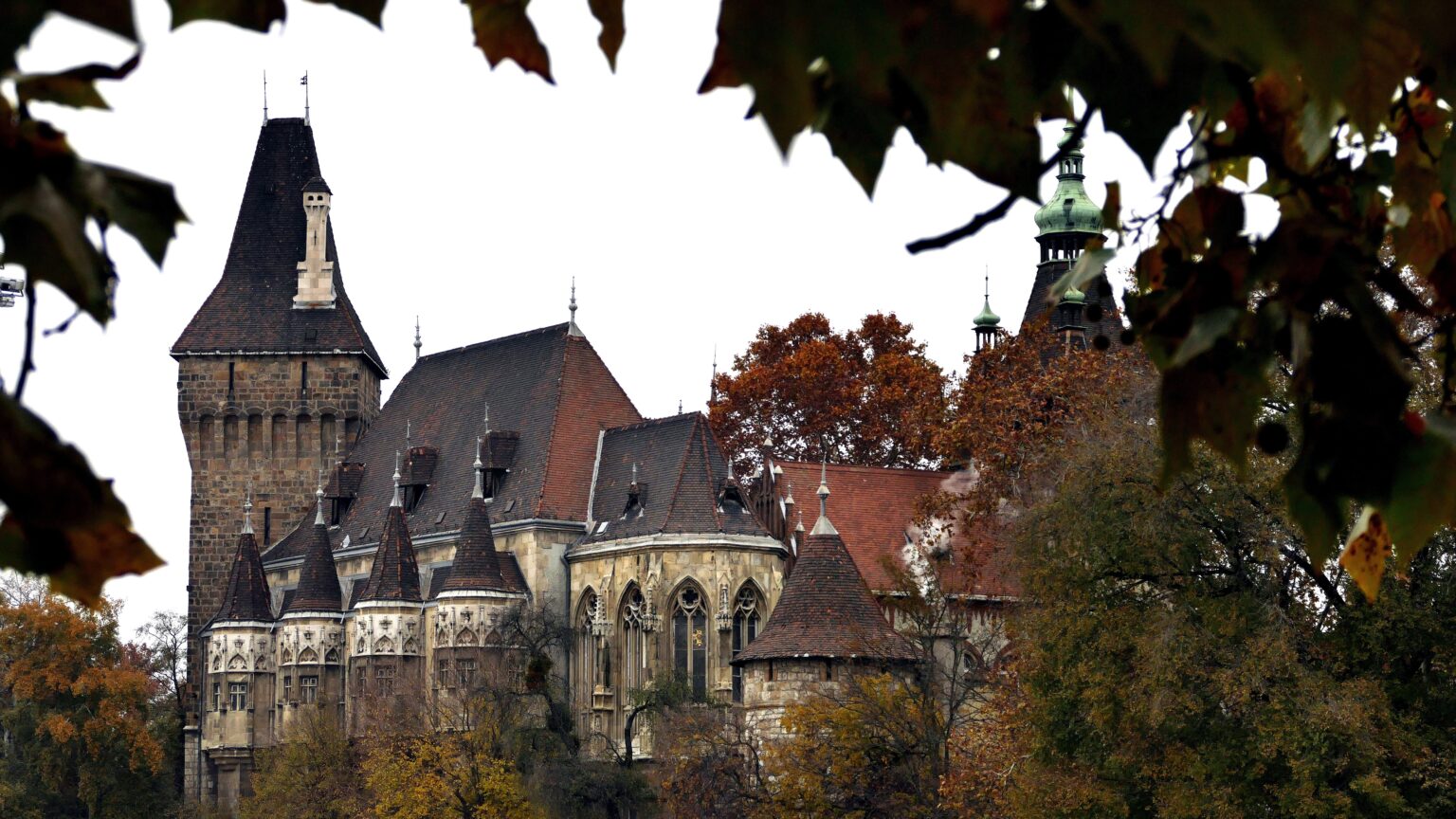
The Liget Budapest Project has received the award for Best Creative and Sustainable Tourism District at the Creative Tourism Awards in Barcelona, beating more than 200 international applicants.
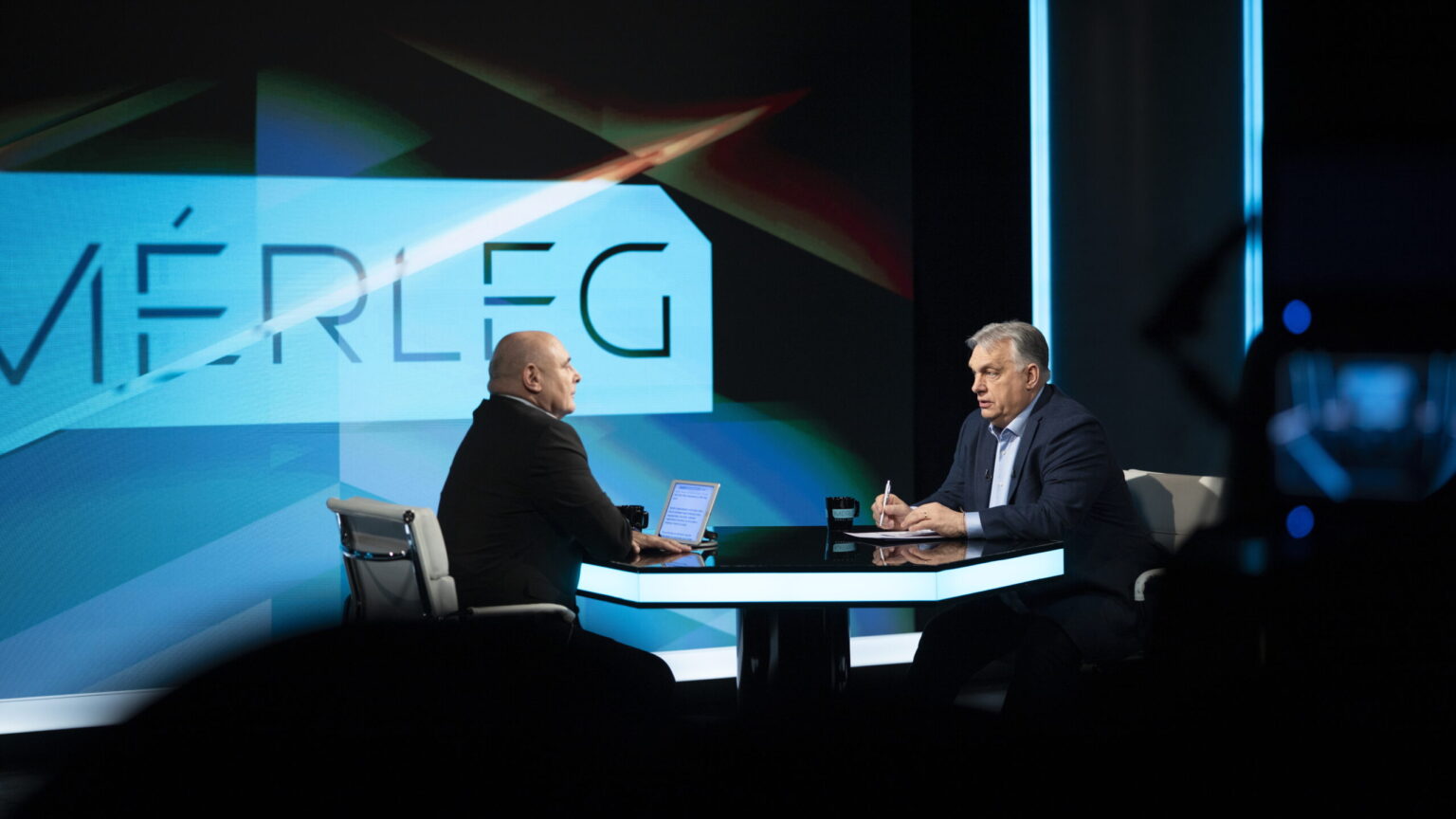
In a recent interview, Viktor Orbán has framed the coming years as a test of Hungary’s ability to remain outside global conflicts, arguing that the country must resist pressure to provide military or financial support as the wars in Ukraine and the Middle East intensify.

Can the EU fully replace Russian oil and gas with energy from other sources? How did Hungary perform in terms of energy diversification? How does the strategic expansion of Hungarian energy companies in the Balkans work? We asked the CEO of the Brussels Energy Club about what the European energy situation will be like after the introduction of a complete ban on Russian gas and oil.

Bryan Leib has recently sat down for an interview with Hungarian political influencer and TV host Stefi Déri, where he talked about the special relationship between US President Donald Trump and Prime Minister Viktor Orbán of Hungary.
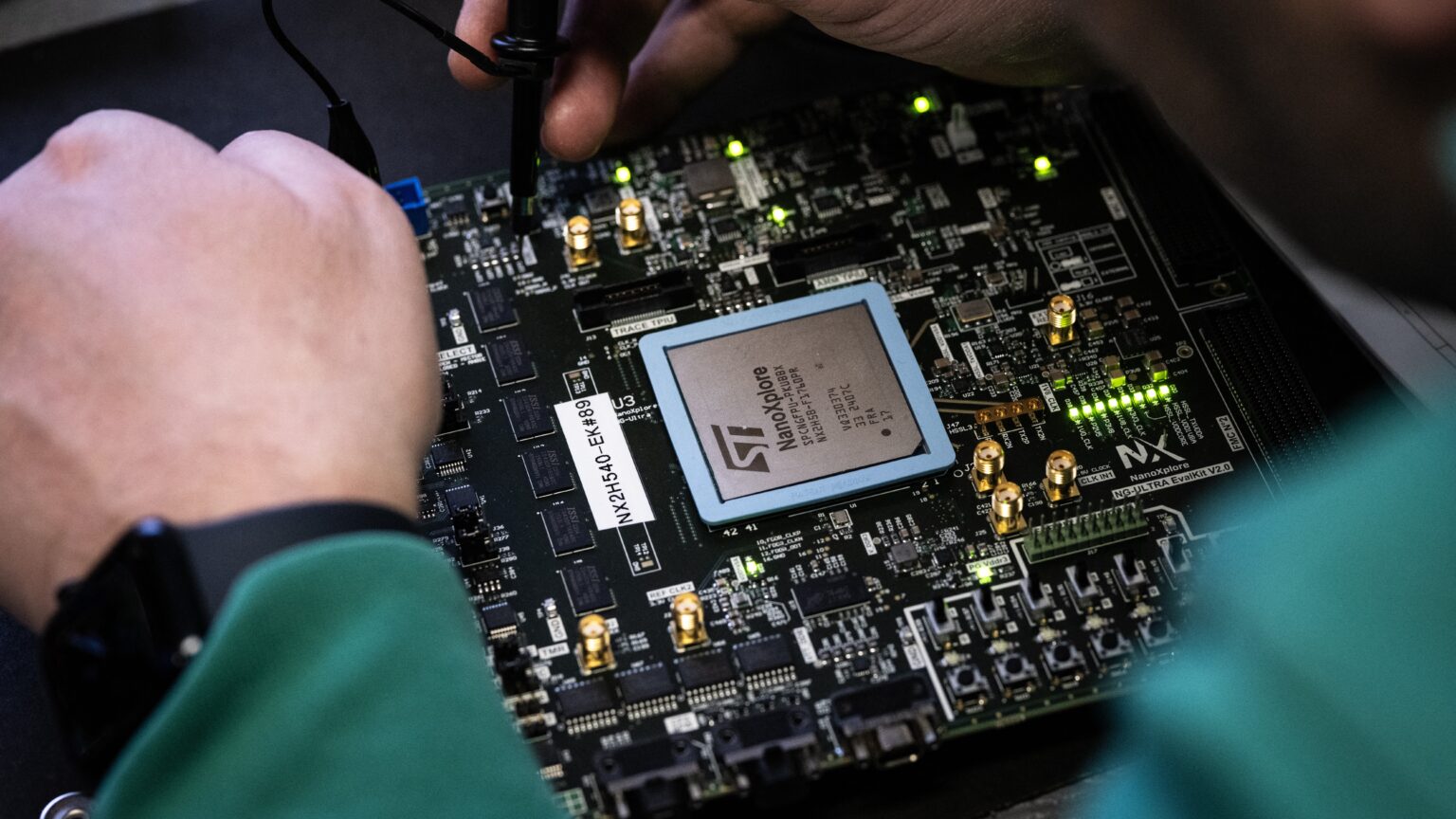
The ongoing conflict involving the United States, Israel and Iran could disrupt the supply of key semiconductor manufacturing materials, raising concerns among chipmakers already struggling with global supply bottlenecks.

Hungary’s media regulator has approved roughly 84 million forints in funding for television news, current affairs, and cultural programmes, while also launching investigations into programme obligations and reviewing several media complaints.
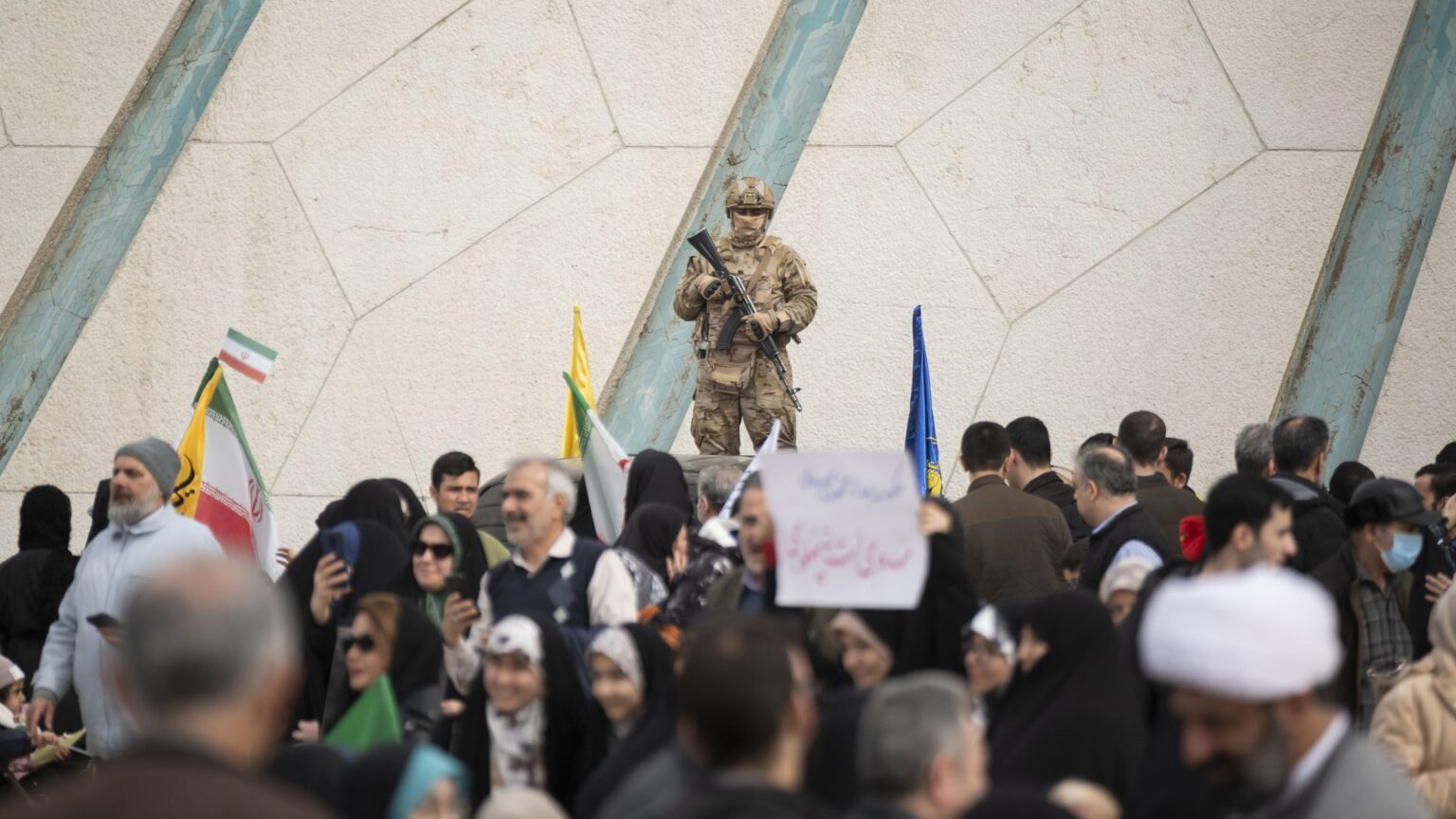
‘Devoted Mahdists could rise to senior leadership positions within the IRGC [Islamic Revolutionary Guard Corps], bringing under their control the three principal pillars of Iranian power projection: militias across the region, ballistic missile forces, and the nuclear programme itself.’
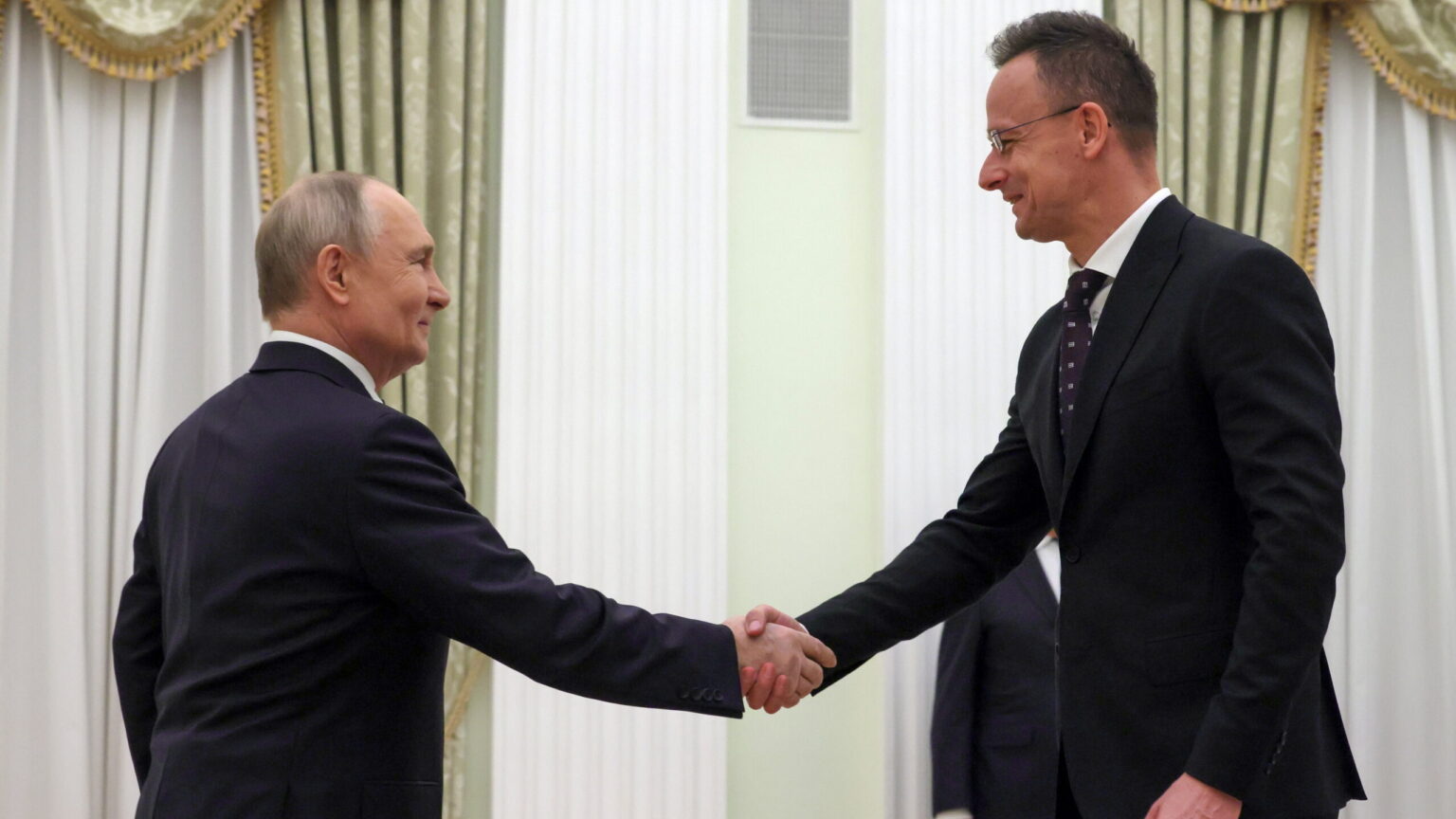
Two Hungarian prisoners of war from Transcarpathia have been released following diplomatic talks between Hungarian Minister of Foreign Affairs and Trade Péter Szijjártó and Russian President Vladimir Putin in Moscow. The discussions also centred on Hungary’s energy security as global markets react to escalating tensions in the Middle East and Ukraine’s blockade of the Druzhba pipeline.
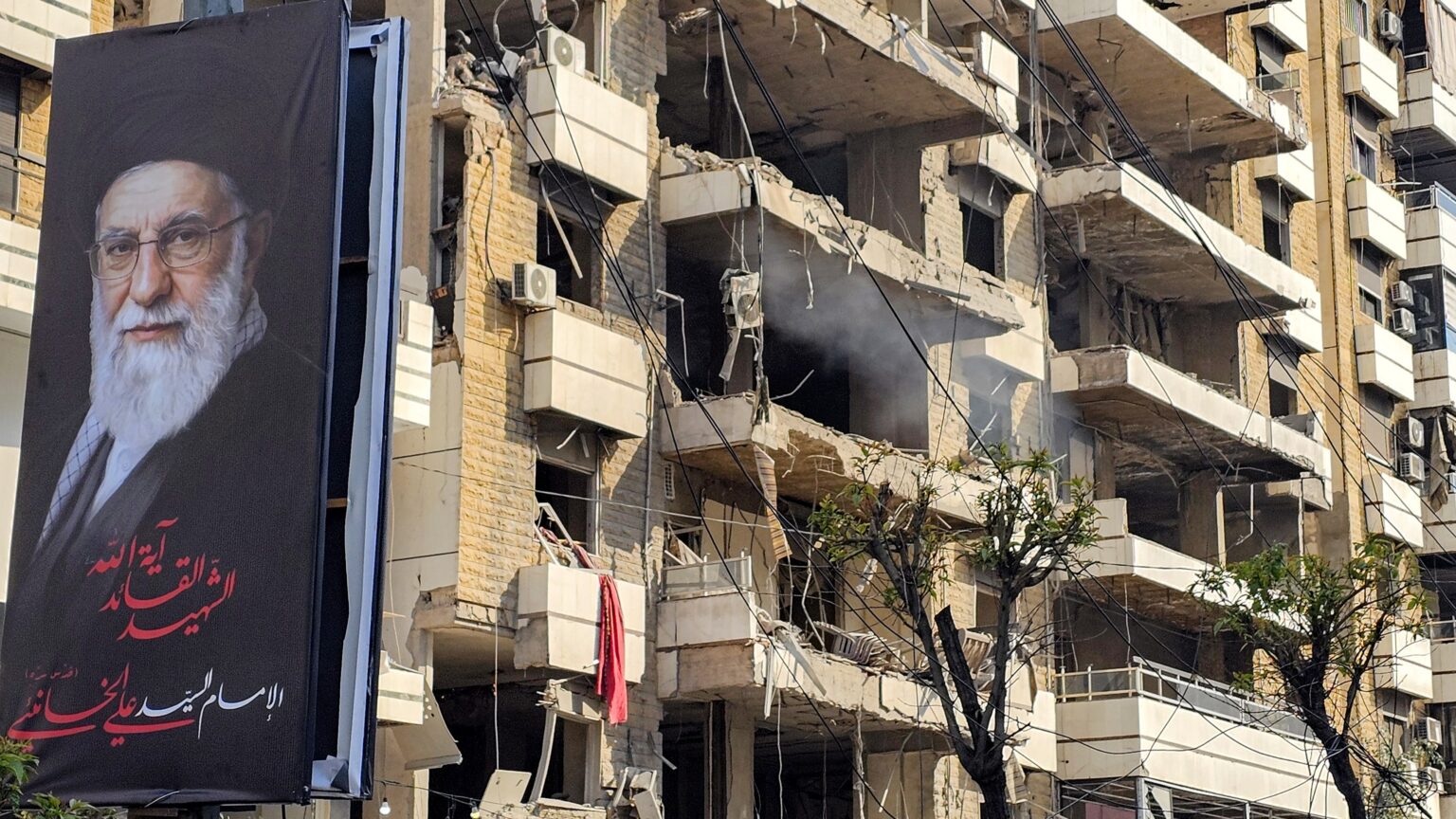
While Khamenei’s death does not automatically mean the collapse of the regime, it is nevertheless a severe blow to the Islamic Revolution.
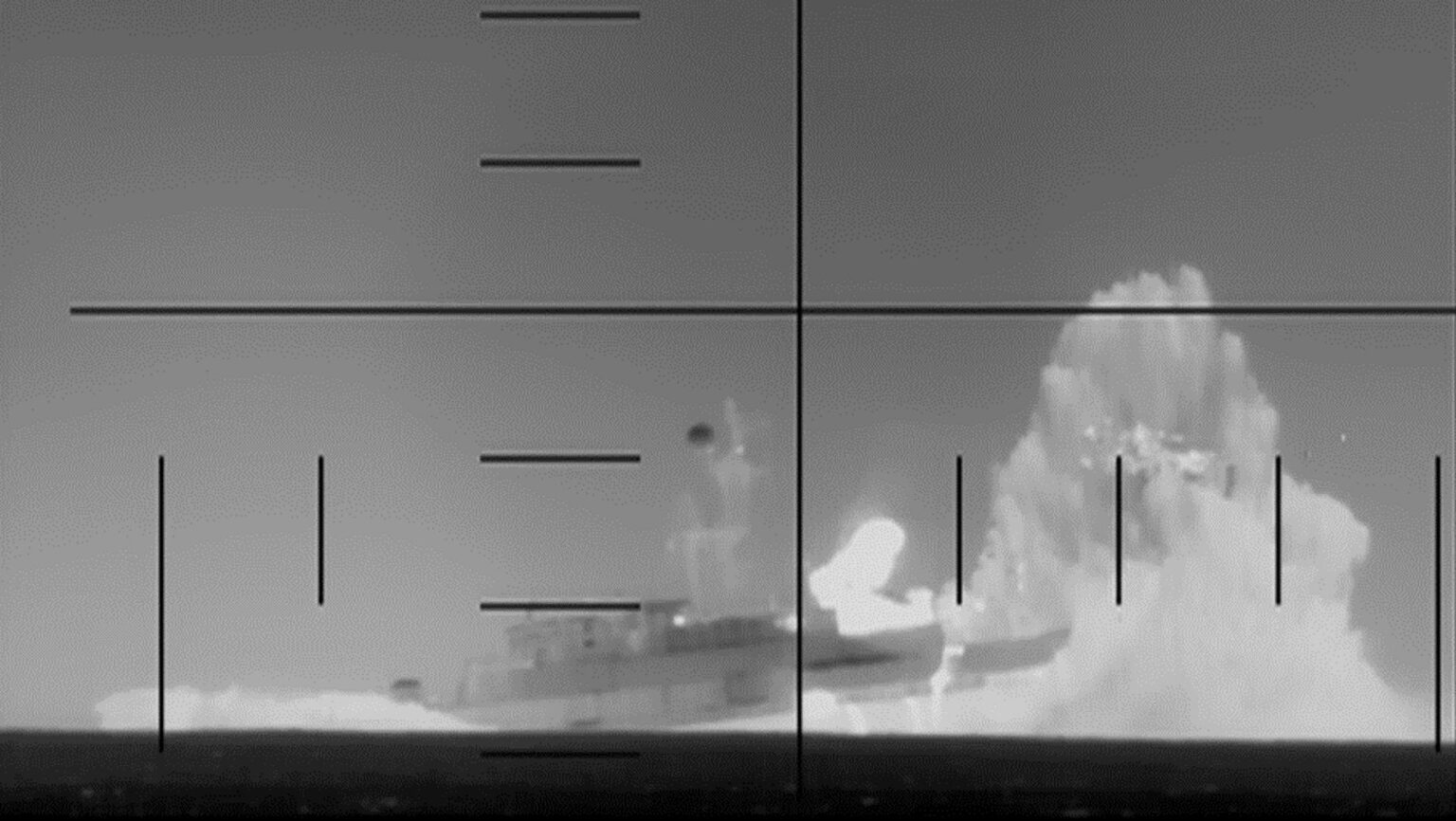
US Secretary of War Pete Hegseth announced that an American submarine has sunk an Iranian warship near Sri Lanka, marking the first time since World War II that an enemy vessel has been destroyed by torpedo.
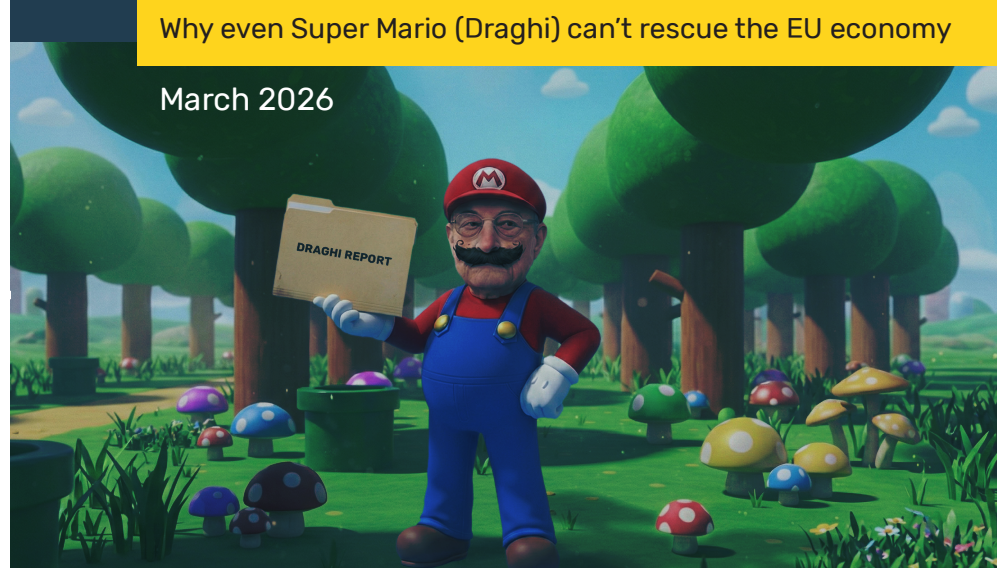
MCC Brussels warns the EU faces a decades-long productivity collapse, not a temporary competitiveness gap. Its new report argues Brussels is misdiagnosing the crisis, relying on subsidies and central planning while ignoring structural issues like low investment, overregulation, and high energy costs—thus risking long-term economic decline.

Keir Starmer is facing growing criticism after praising Muslims as ‘the face of modern Britain’ and stressing that the UK was not involved in the US–Israeli strikes on Iran. His remarks at a Ramadan iftar ceremony quickly triggered accusations that the prime minister was ‘bending over’ to court Muslim voters.
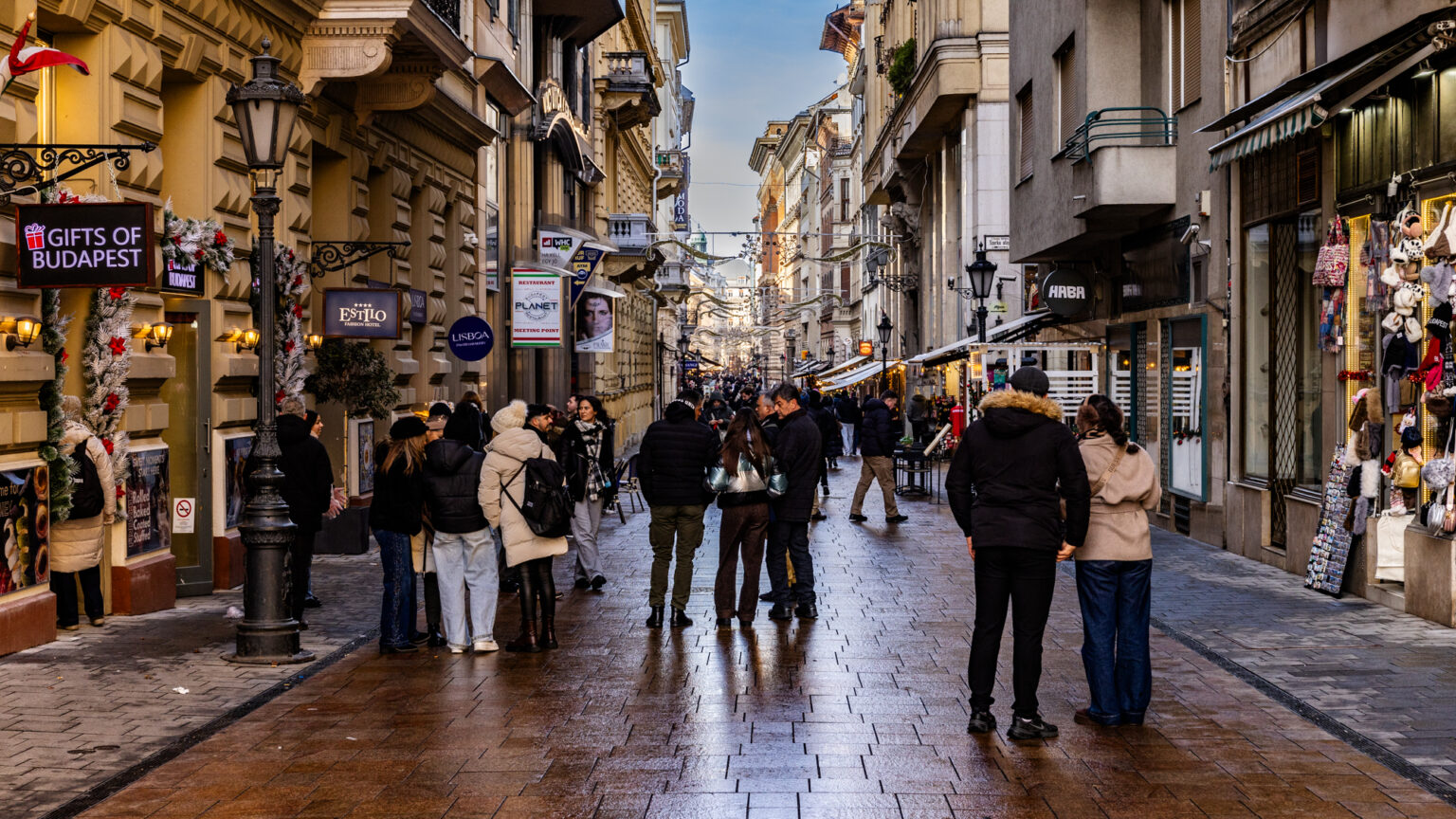
The number of registered jobseekers in Hungary fell to 225,994 in February 2026, more than 6,000 fewer than a year earlier, as the government highlighted low unemployment and expanded employment support programmes.
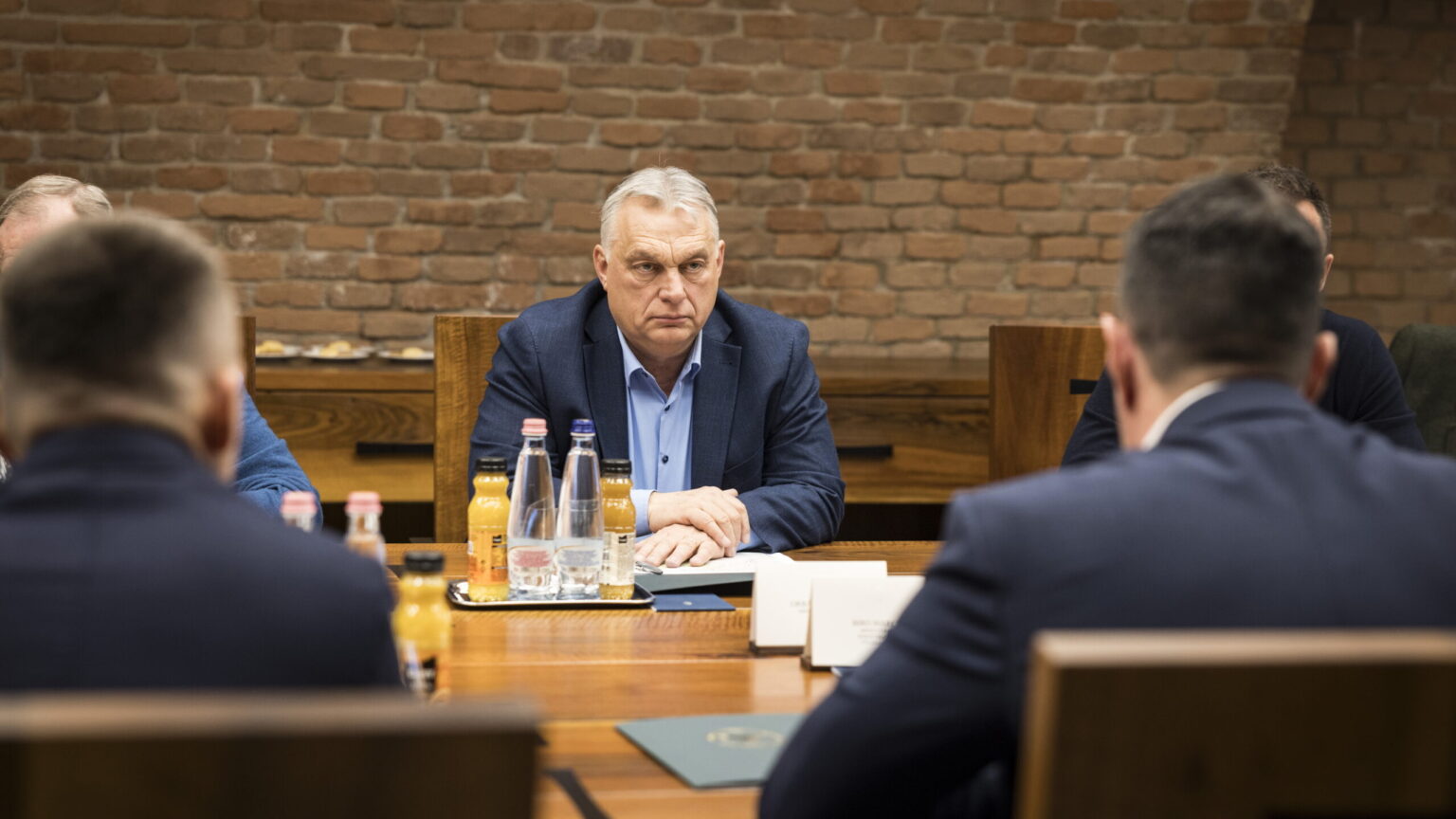
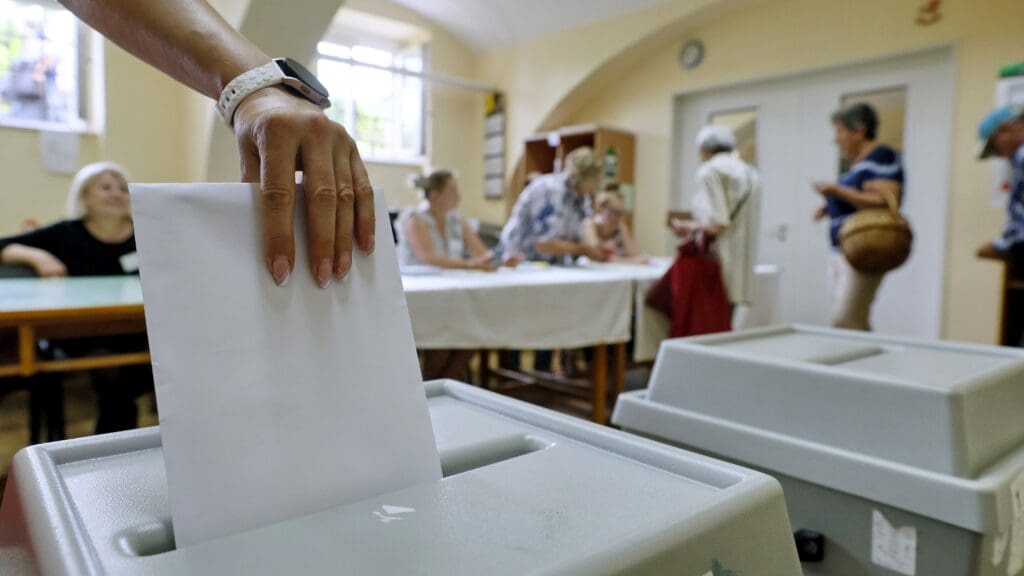
A new poll by US-based McLaughlin & Associates suggests Viktor Orbán’s Fidesz–KDNP alliance would win Hungary’s parliamentary election if it were held this Sunday, contradicting several opposition-leaning surveys and highlighting energy security as a decisive issue in the final weeks of the campaign.

Hungarian authorities have confirmed that the tax office is investigating suspicious business dealings linked to a former company of Márk Radnai, vice president of the Tisza Party, following a complaint alleging fraud, fictitious invoices and the use of homeless intermediaries.

‘Crude oil prices jumped on international commodity markets. A barrel of West Texas Intermediate (WTI) crude oil rose from around $67 on 27 February to $77.44 on 3 March. Since yesterday, its price has dropped and stabilized at roughly $75–$76. Thus, it seems that the $119-per-barrel crisis seen after the Russian invasion of Ukraine has been averted.’
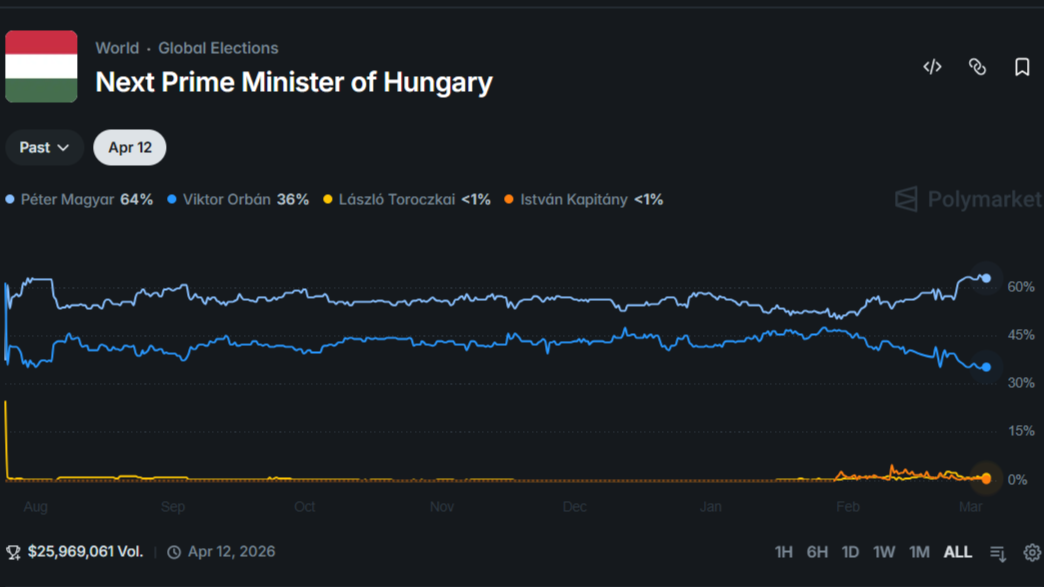
Hungarian opposition supporters have seized on prediction market platform Polymarket as proof that Viktor Orbán is heading for defeat, celebrating Péter Magyar’s lead as a sign of inevitable victory. Yet recent European elections suggest such markets are far from reliable indicators of political outcomes.
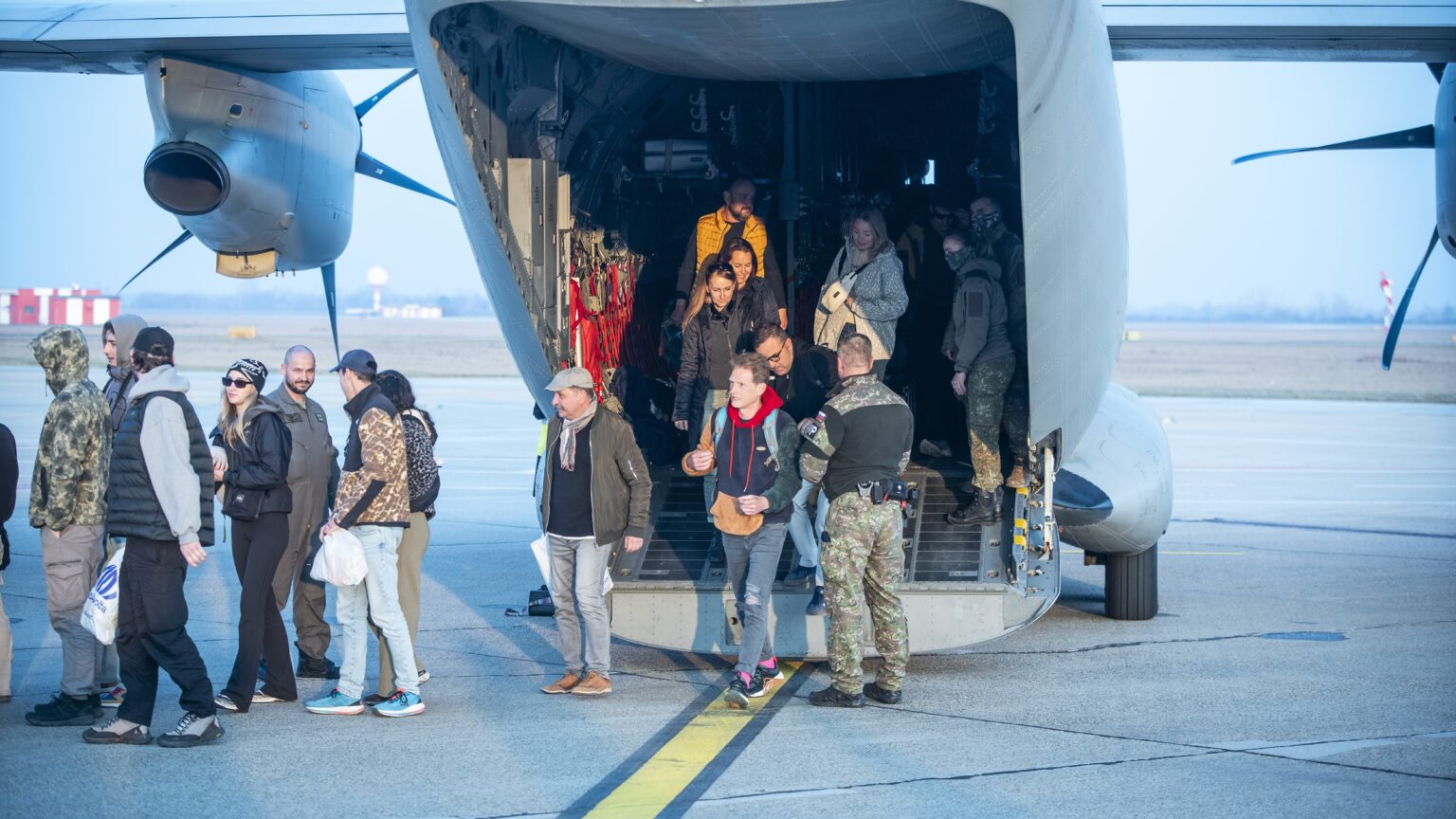
Hungary has launched its first evacuation flight to Jordan to bring home citizens stranded in the Middle East due to the ongoing conflict and widespread airspace closures across the region.