



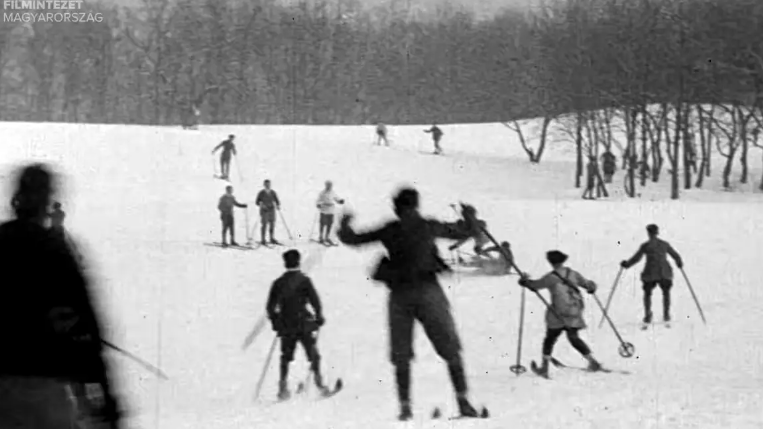




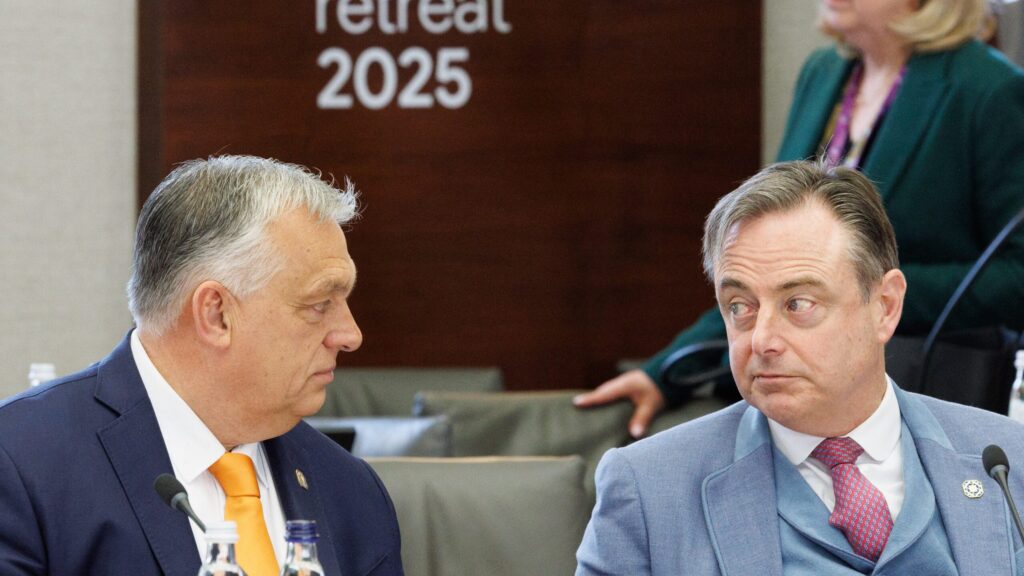

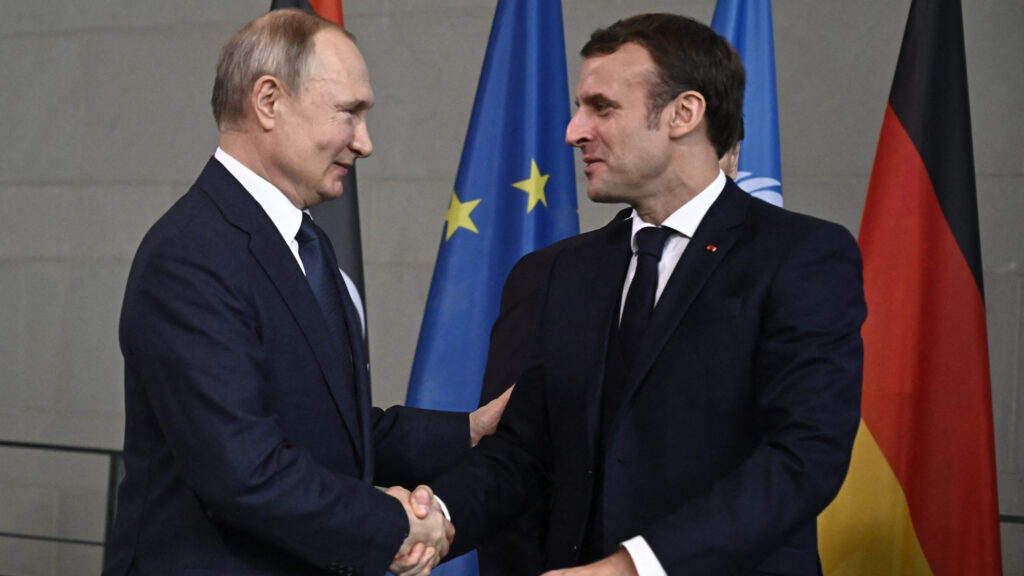


The Joint Action on REspiratory Diseases (JARED) initiative by the EU was launched in December 2024, with support from 14 Member States. The Korányi Institute of Pulmonology in Budakeszi, Hungary is the leading institution of the project. The initiative’s kick-off event was held in Budapest on 29 January 2025.
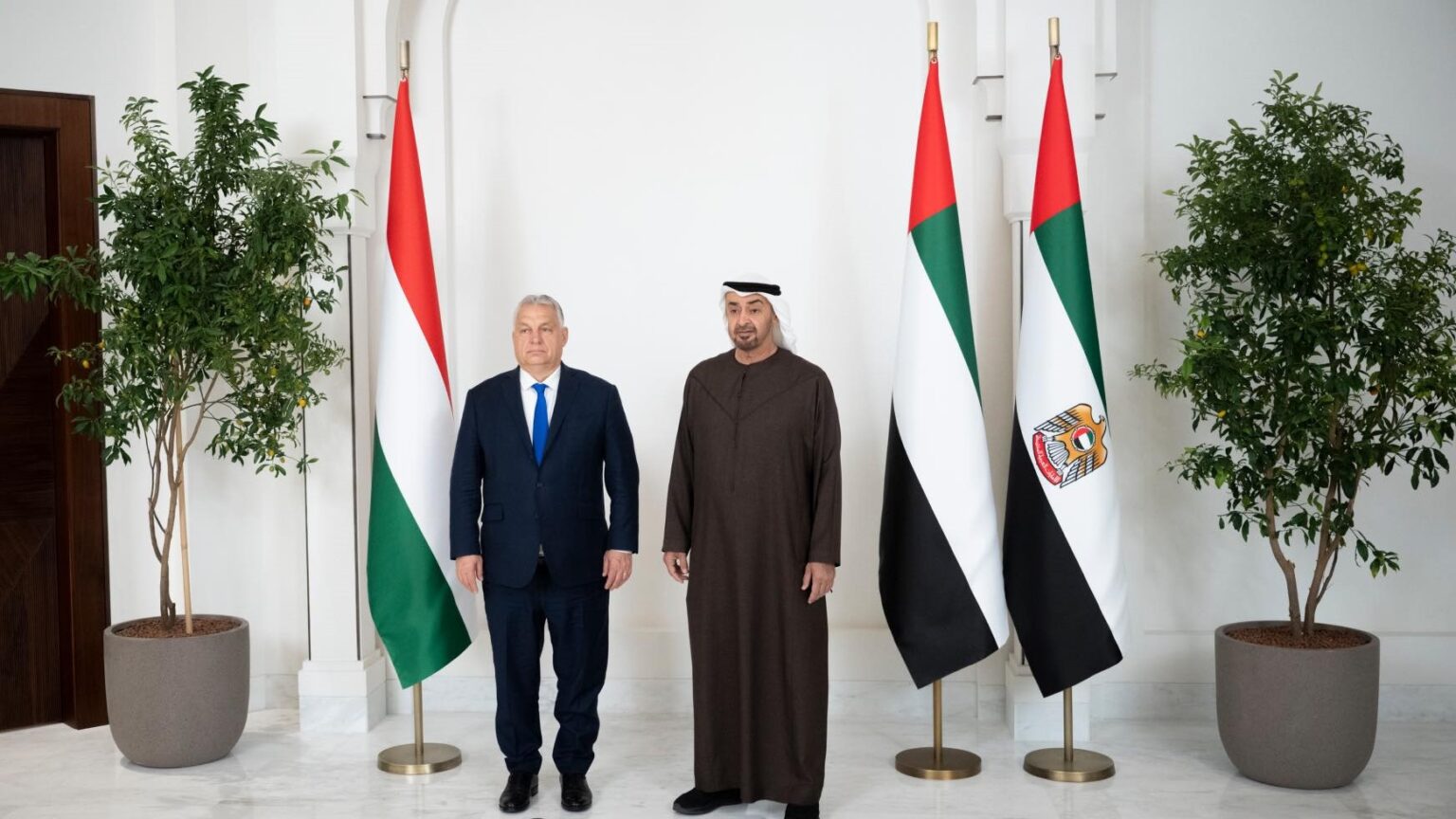
On Wednesday, Hungarian Prime Minister Viktor Orbán concluded a historic two-day visit to the United Arab Emirates, during which he held bilateral talks with UAE President Mohamed Bin Zayed. The discussions focused on strengthening bilateral relations in key areas, including investments, trade, energy, and security, as Hungary seeks to establish a strategic partnership with the Gulf nation.

The Liszt Ferenc Academy of Music will celebrate its 150th anniversary with Talent Day on 9 February, offering performances by students, open classes, lectures, and a grand symphonic concert in the evening. The event provides a rare opportunity to explore the academy’s musical excellence.

The 34th National Science and Innovation Olympiad (OTIO) has attracted a record number of participants, with 428 young competitors forming 296 teams, including 17 from beyond Hungary’s borders. Minister for Culture and Innovation Balázs Hankó highlighted the crucial role of innovation in boosting Hungary’s competitiveness.
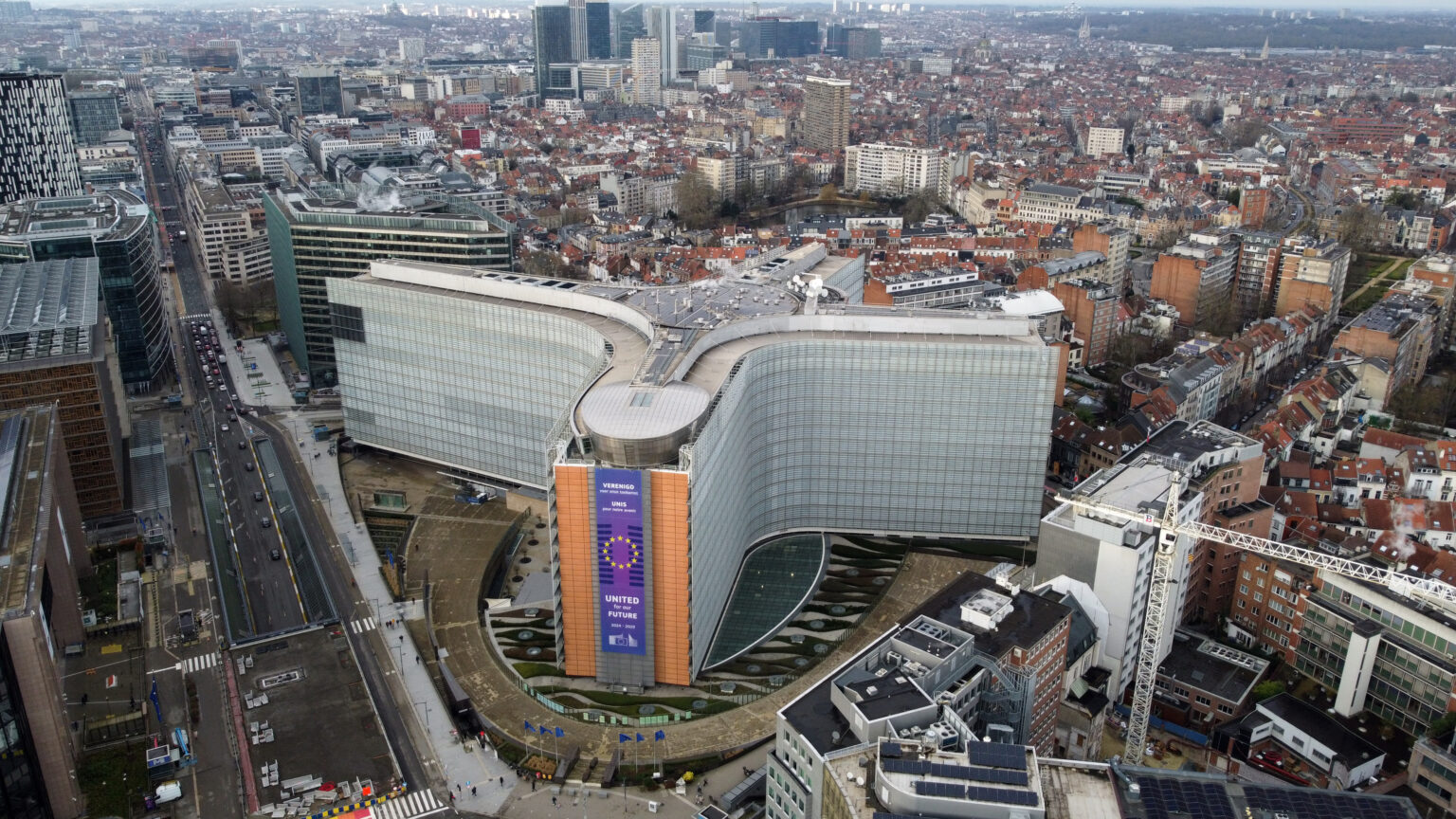
The Austrian Private Universities Conference has protested at the Brussels’ decision to exclude Vienna-based Modul University from the Erasmus+ and Horizon programmes, citing the Hungarian ownership of the institution. The body has called on the European Commission to stop its politically motivated interference in the allocation of academic funding.

Hungarian workers are increasingly optimistic about their ability to weather unemployment, as revealed by a recent study from BNP Paribas Cardif and Medián. The findings show rising confidence in finding new jobs and improved financial preparedness among respondents.
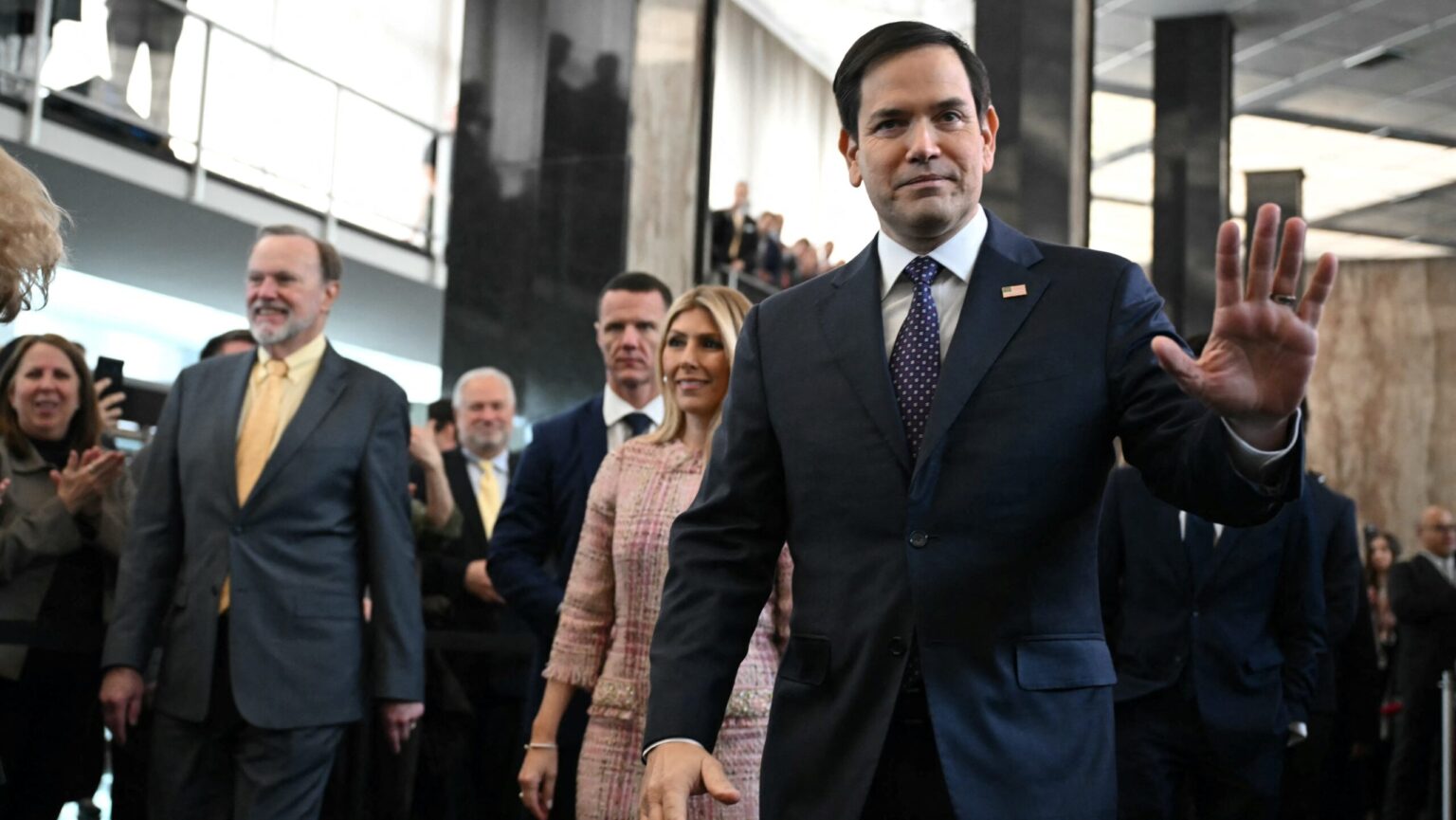
Despite desperate efforts to capture the attention of the new US administration, Donald Trump’s foreign policy team does not appear interested in engaging with the European Union as a bloc. Instead, Secretary of State Marco Rubio has prioritized bilateral discussions with individual member states. This approach offers European nations an opportunity to reclaim their sovereign foreign policy, which has increasingly been overshadowed and taken over by Brussels in recent years, often against their will.
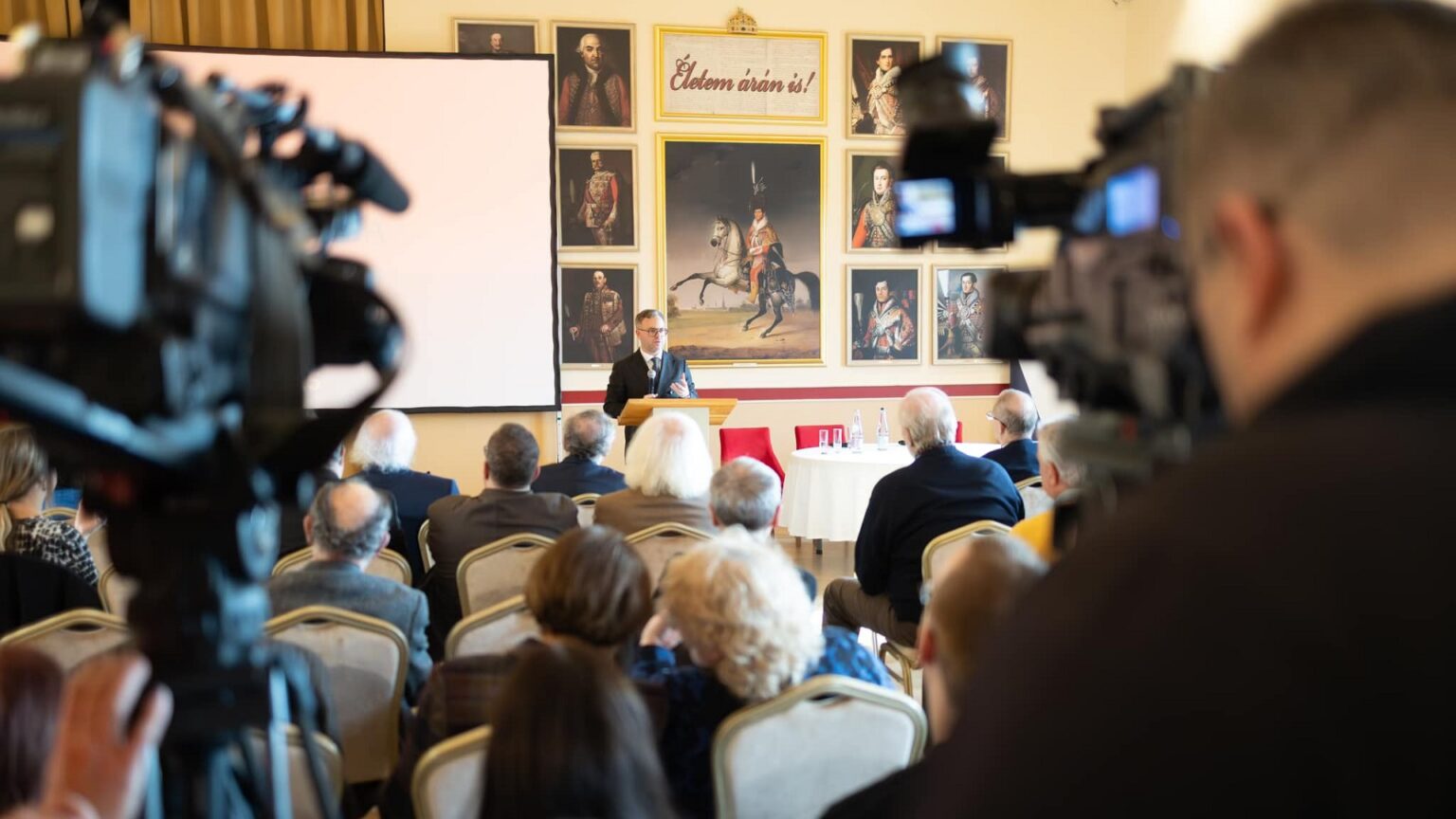
The Political Director of the Hungarian Prime Minister spoke at the 35th anniversary event for the Hungarian history periodical Rubicon. He discussed the end of the unipolar world order dominated by the United States, the EU in the new world oder and the new Trump administration’s novel approach to geopolitics.

‘Despite the different—and certainly debatable—approaches and priorities in specific policy areas, the fundamental objectives of conservative parties largely align. Public discourse and media representation in the West sometimes portray the self-determined policymaking of conservative governments in a polarized manner, focusing more on potentially divisive issues than on constructive dialogue.’

‘Across various European nations conservative and right-wing parties have capitalized on issues like immigration, national identity, and dissatisfaction with traditional political establishments to gain substantial electoral support…without the epochal change on 6 November 2016 in the United States, these shifts in Europe would have taken much longer.’
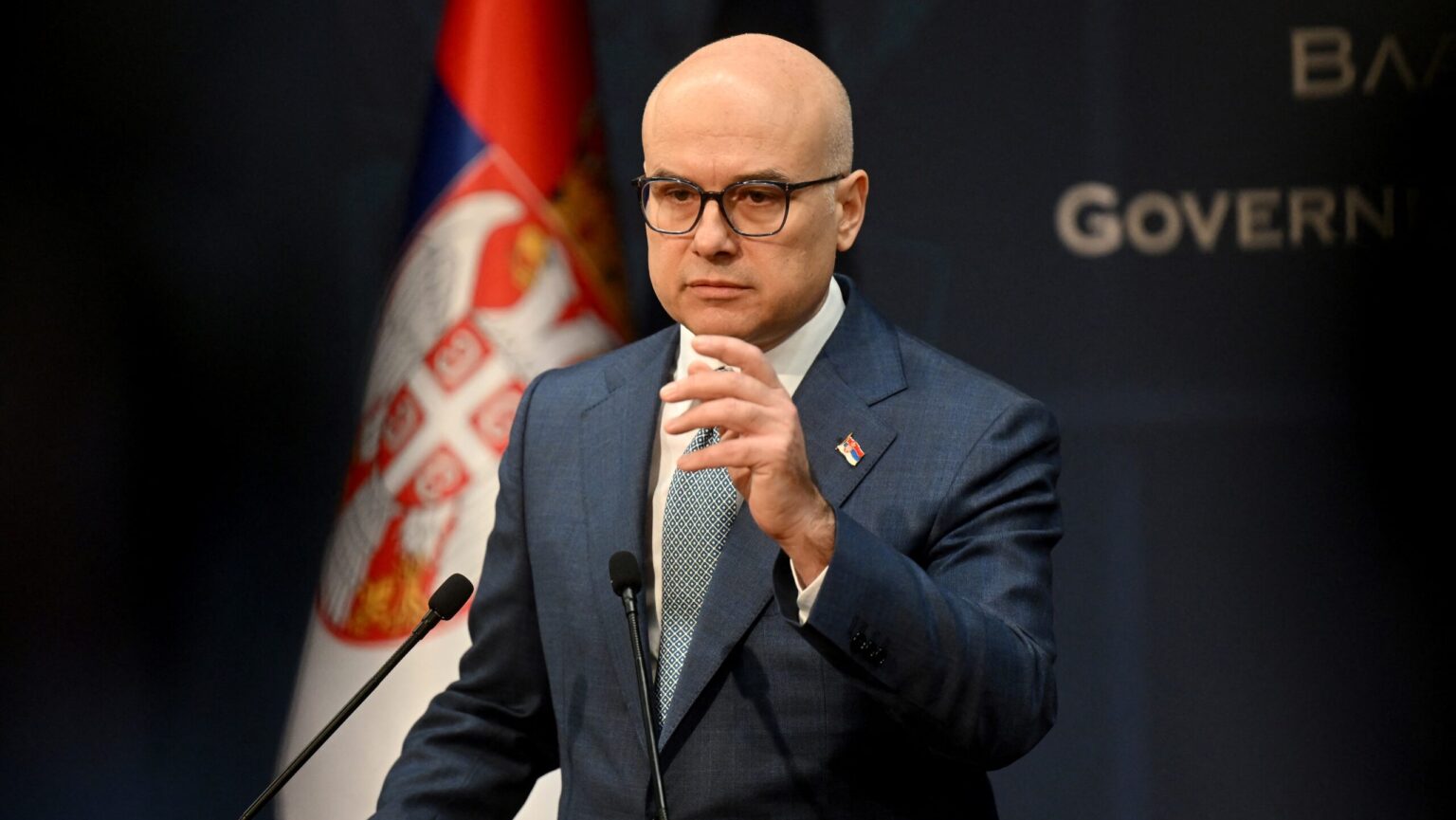
After months of demonstrations following the accident at the Novi Sad railway station, Serbian Prime Minister Miloš Vučević resigned on Tuesday, with Novi Sad Mayor Milan Đurić also expected to step down. Serbian President Aleksandar Vučić is set to decide later today whether to appoint a new prime minister or call snap elections.

A recent study commissioned by Hungary’s National Media and Infocommunications Authority reveals that Facebook’s opaque moderation policies may have restricted up to half a million Hungarian users. The research highlights the lack of transparency in tech giants’ content rules.
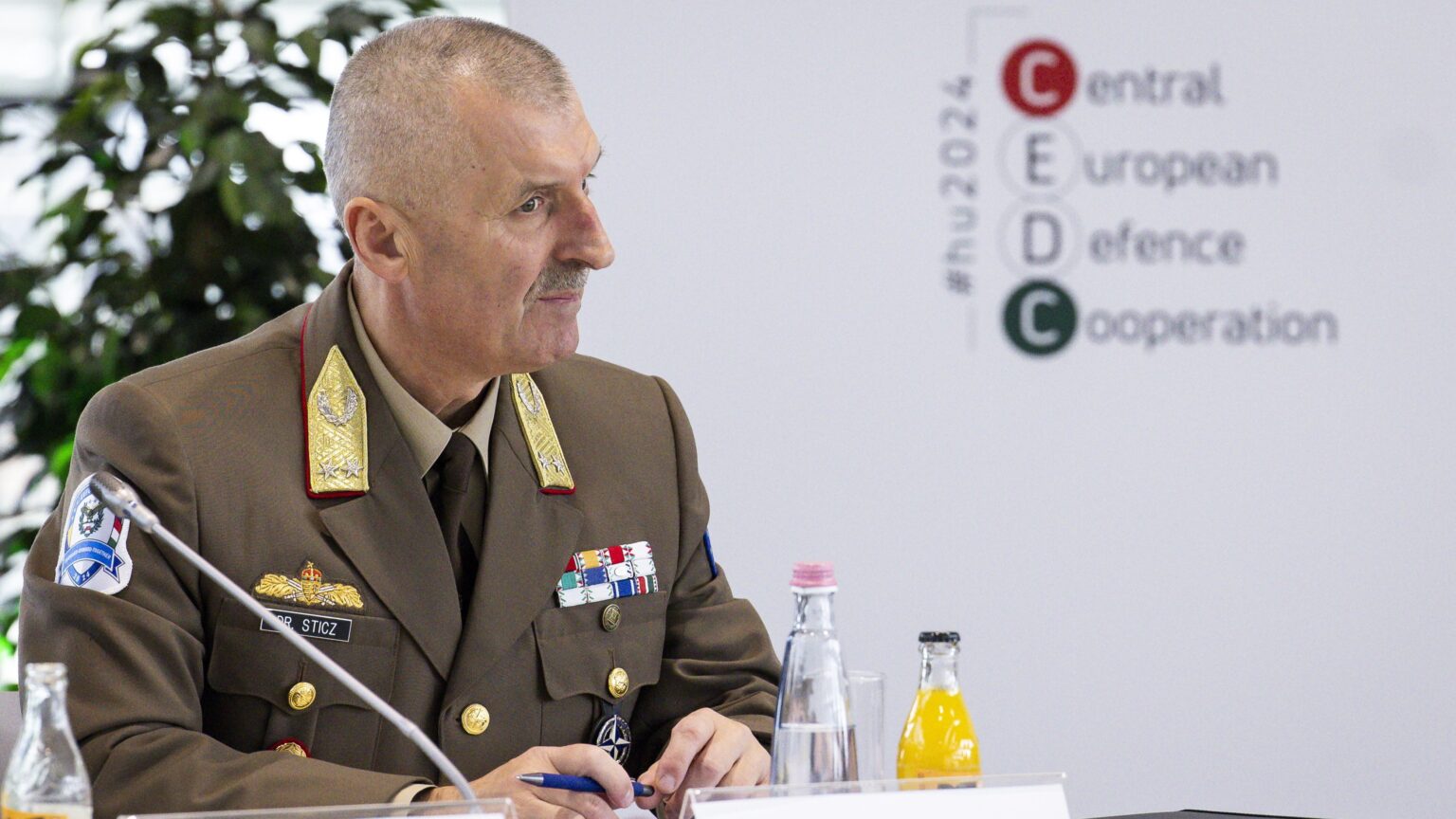
Along with the Hungarian commander, a Hungarian peacekeeping contingent was deployed in Bosnia and Herzegovina with about 400 soldiers. The HDF provided an air search and rescue team, an air evacuation team, an artillery team with dog patrols, medical support (ROLE-1 level), as well as logistical support and supplies with 250 personnel.

Bomb threat emails targeting Hungarian schools last week were traced to Ukrainian IP addresses using a Russian email provider. While this provides clues, determining the actual origin remains complex due to disposable email accounts and VPN technologies, experts say.
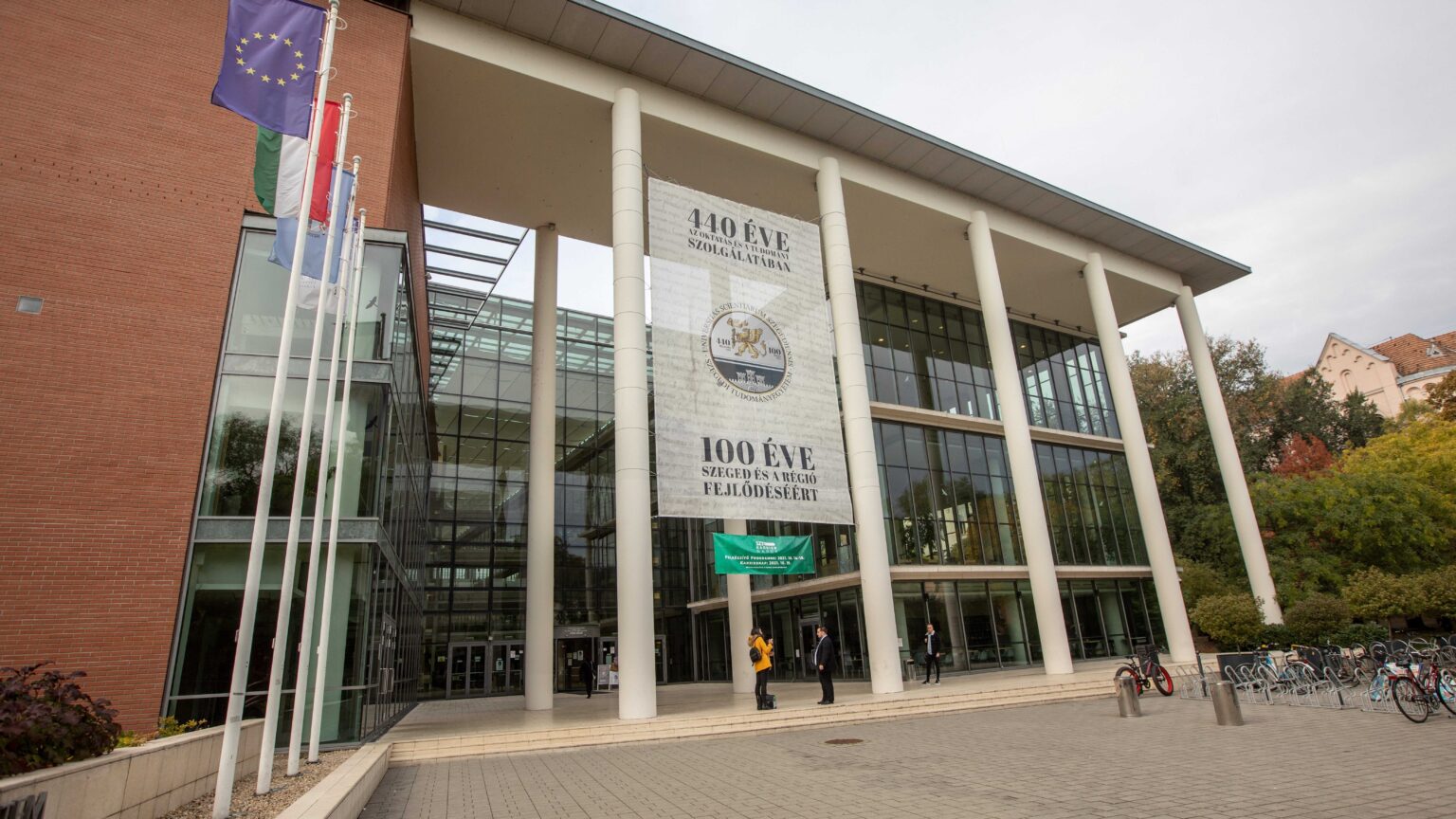
The University of Szeged (SZTE) is hosting Physics Day once again this Saturday, offering engaging programmes for science enthusiasts. Attendees will discover the vast applications of a physics degree and witness captivating experiments and presentations.
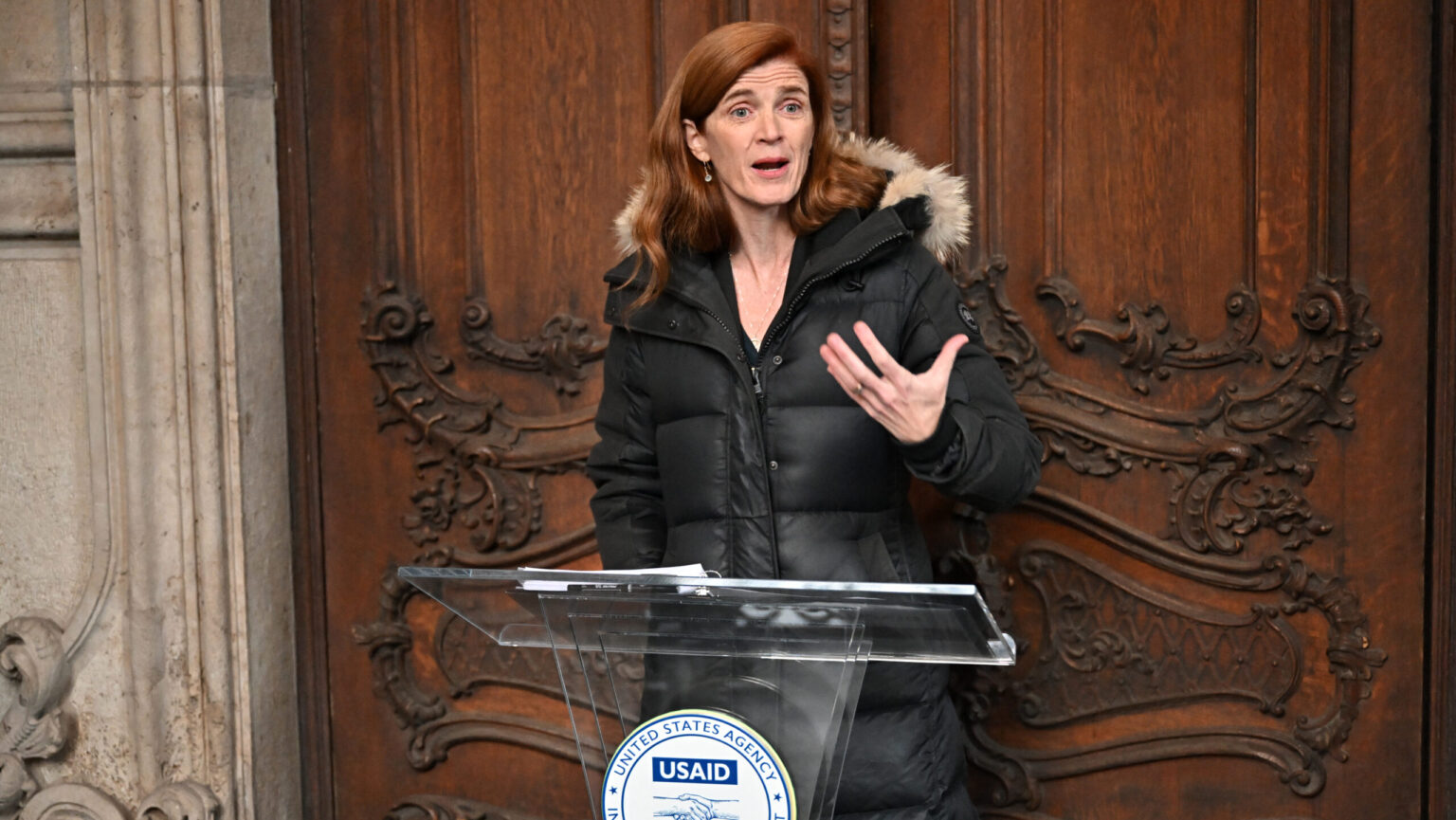
Donald Trump took an unexpected step on Monday by ordering dozens of senior officials at the US Agency for International Development (USAID) to go on administrative leave. USAID has a long history of foreign interference under the pretext of providing aid, including significant grants to Hungarian anti-government media and government-critical NGOs.
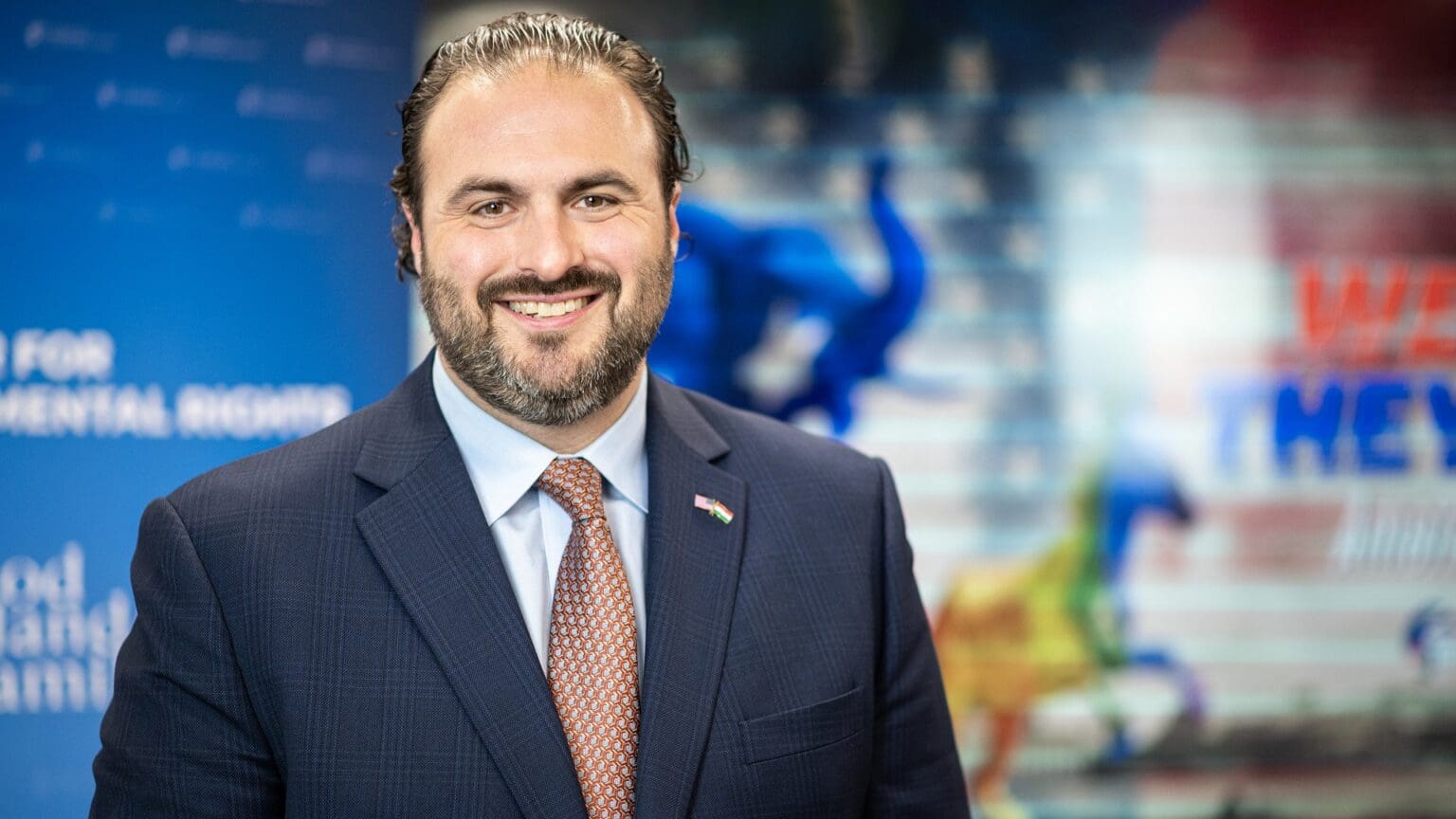
Center for Fundamental Rights Senior Fellow and US Ambassador to Hungary hopeful Bryan Leib has sent an open letter to the CEOs of major American passenger airlines, urging them to start offering non-stop, direct flights between the most populous American cities and Budapest.
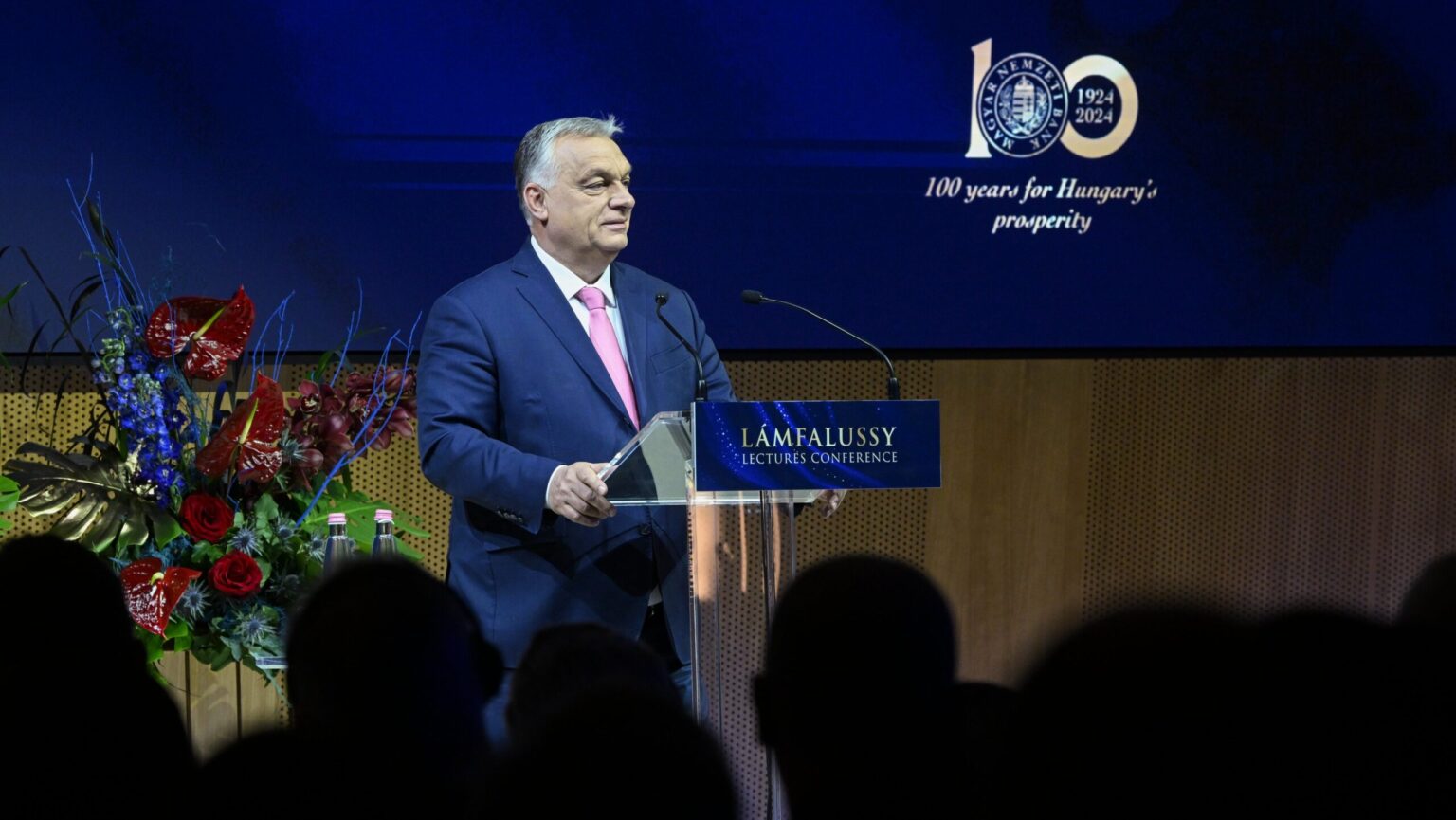
Speaking at the Lámfalussy Lectures Conference, organized by the Central Bank of Hungary, Viktor Orbán asserted that, instead of the Washington Consensus, it is now time to speak of the Budapest Consensus—a framework for nation-states to navigate and thrive in the emerging age of sovereignty.
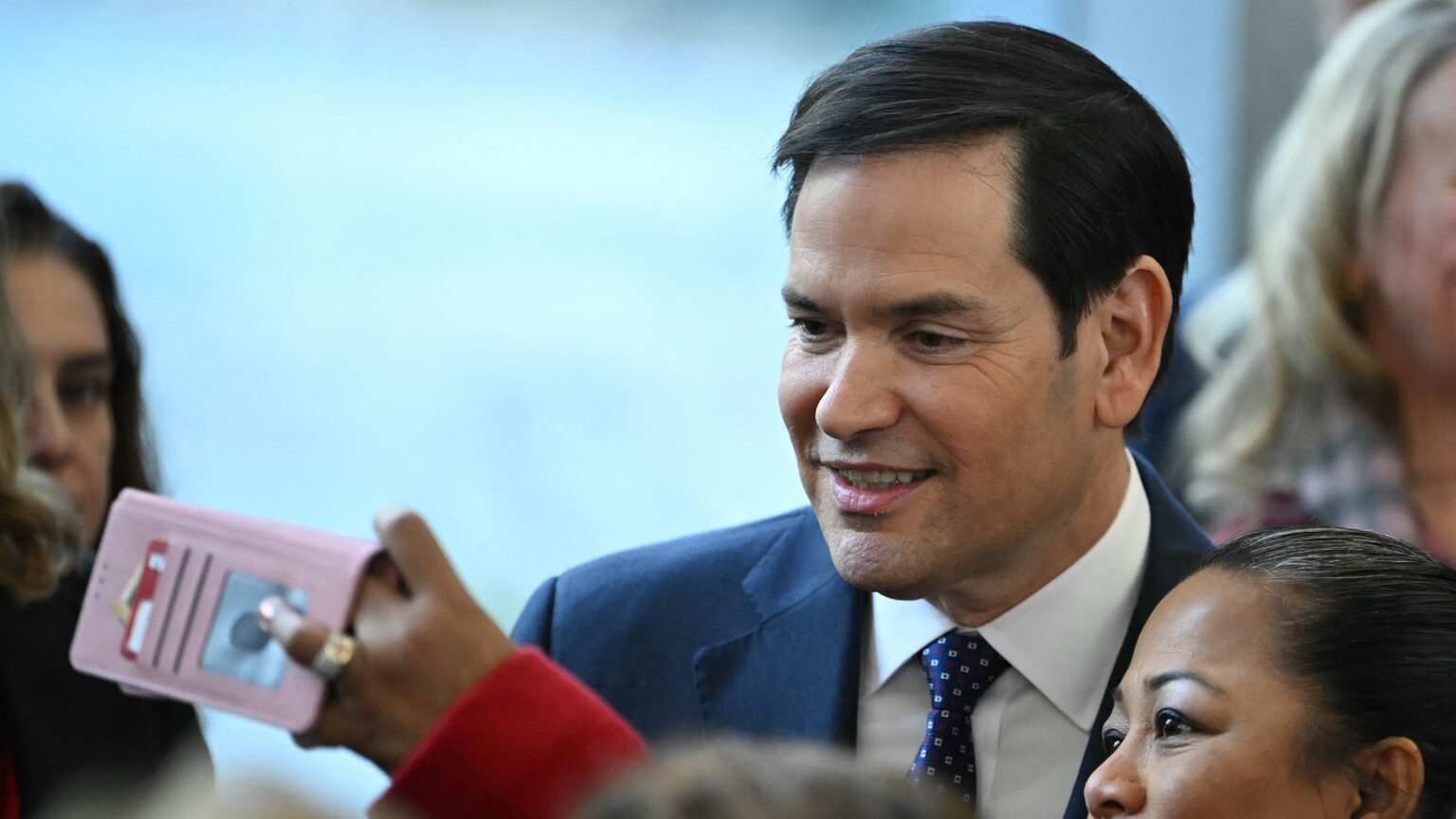
Foreign Minister Péter Szijjártó had a phone conversation with newly confirmed US Secretary of State Marco Rubio on Sunday. Secretary Rubio assured Minister Szijjártó that the vindictive actions of the Biden administration against Hungary will be reviewed.
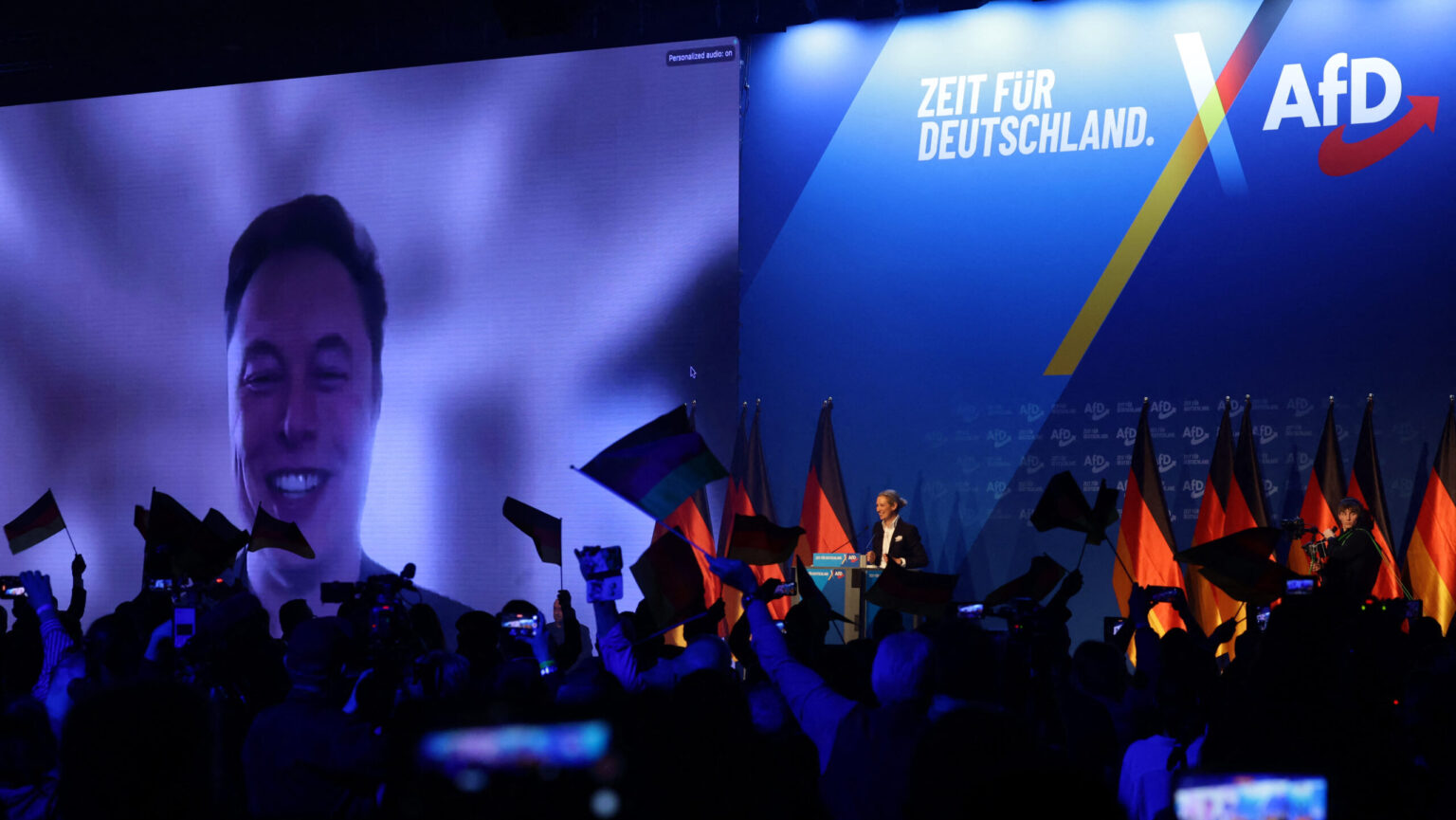
By voicing his support for AfD on his platform and challenging the taboo of German national guilt, Elon Musk has emerged as a key figure in the right-wing party’s gradual dismantling the ‘firewall’ that mainstream parties have upheld against it for years.
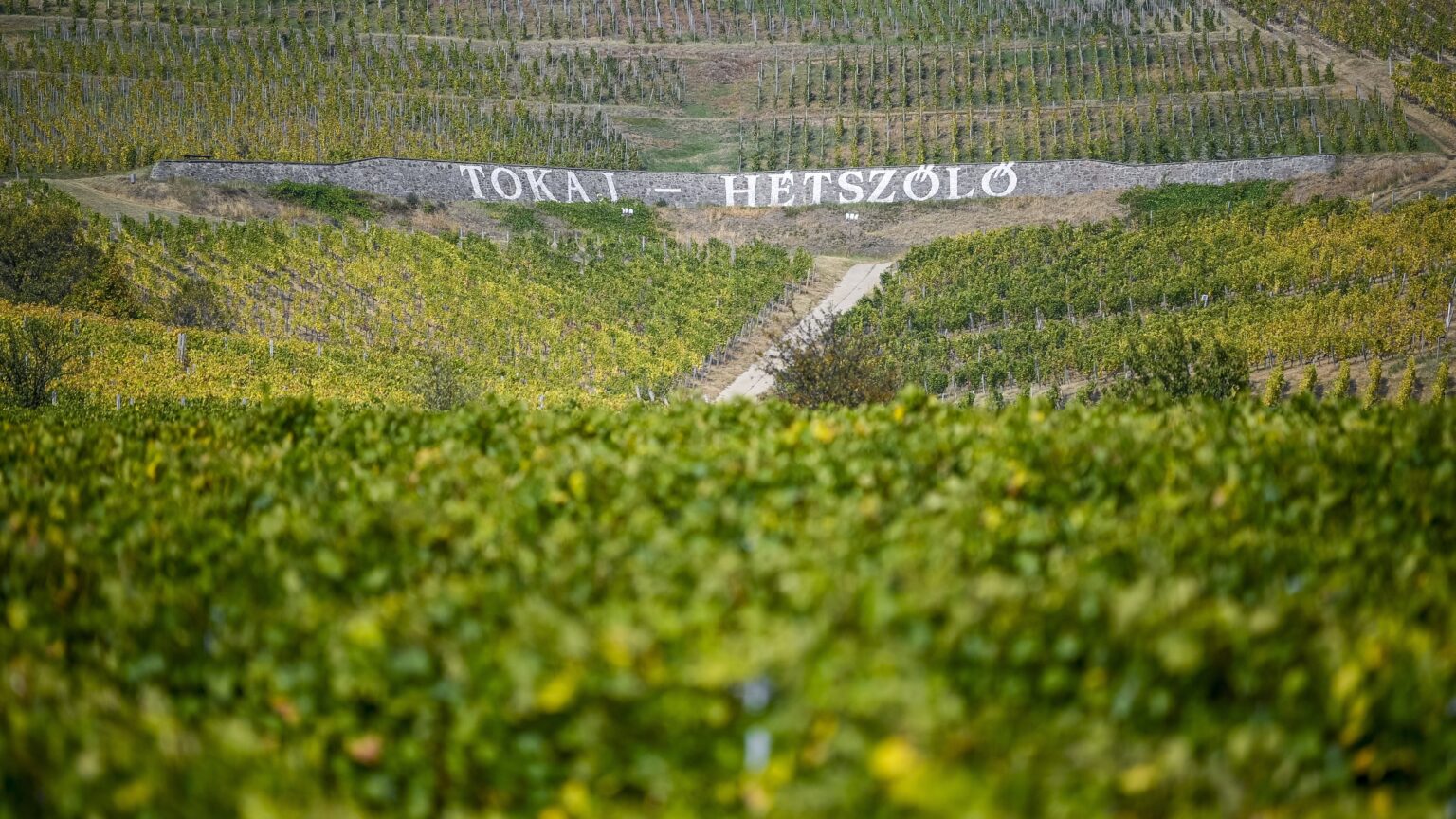
The Tokaj wine region is rising to the challenges posed by climate change and shifting market trends. János Áder, former President of Hungary, discussed these issues with winemaker István Szepsy Jr. in the latest Blue Planet podcast episode.
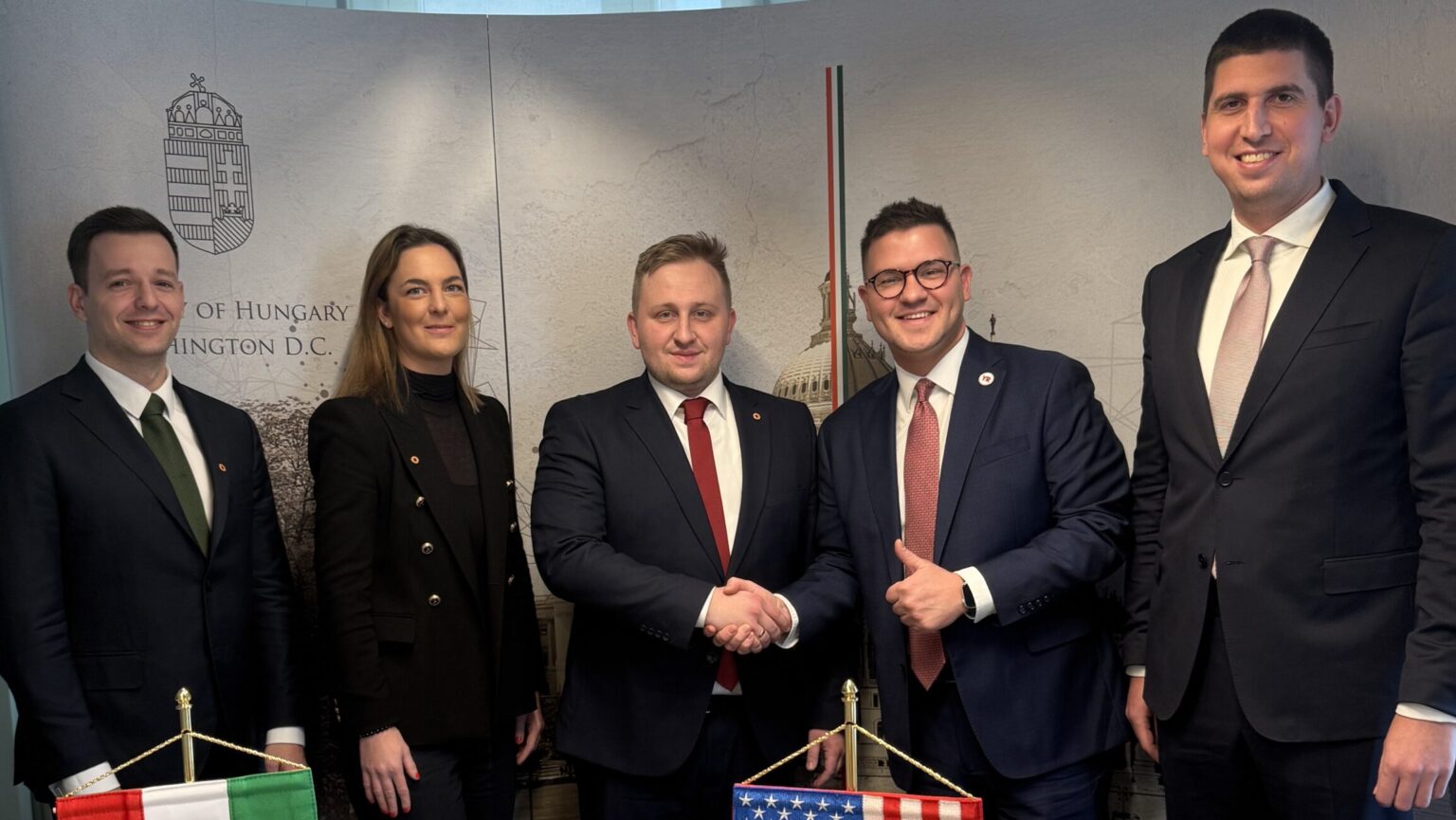
In an interview with Hungarian Conservative, Fidelitas President István Mohácsy spoke about his networking experience in the US where he headed a delegation invited to the inauguration of President Trump.

Hungary’s government reaffirmed its commitment to strengthening ties with China during a Lunar New Year celebration in Budapest.
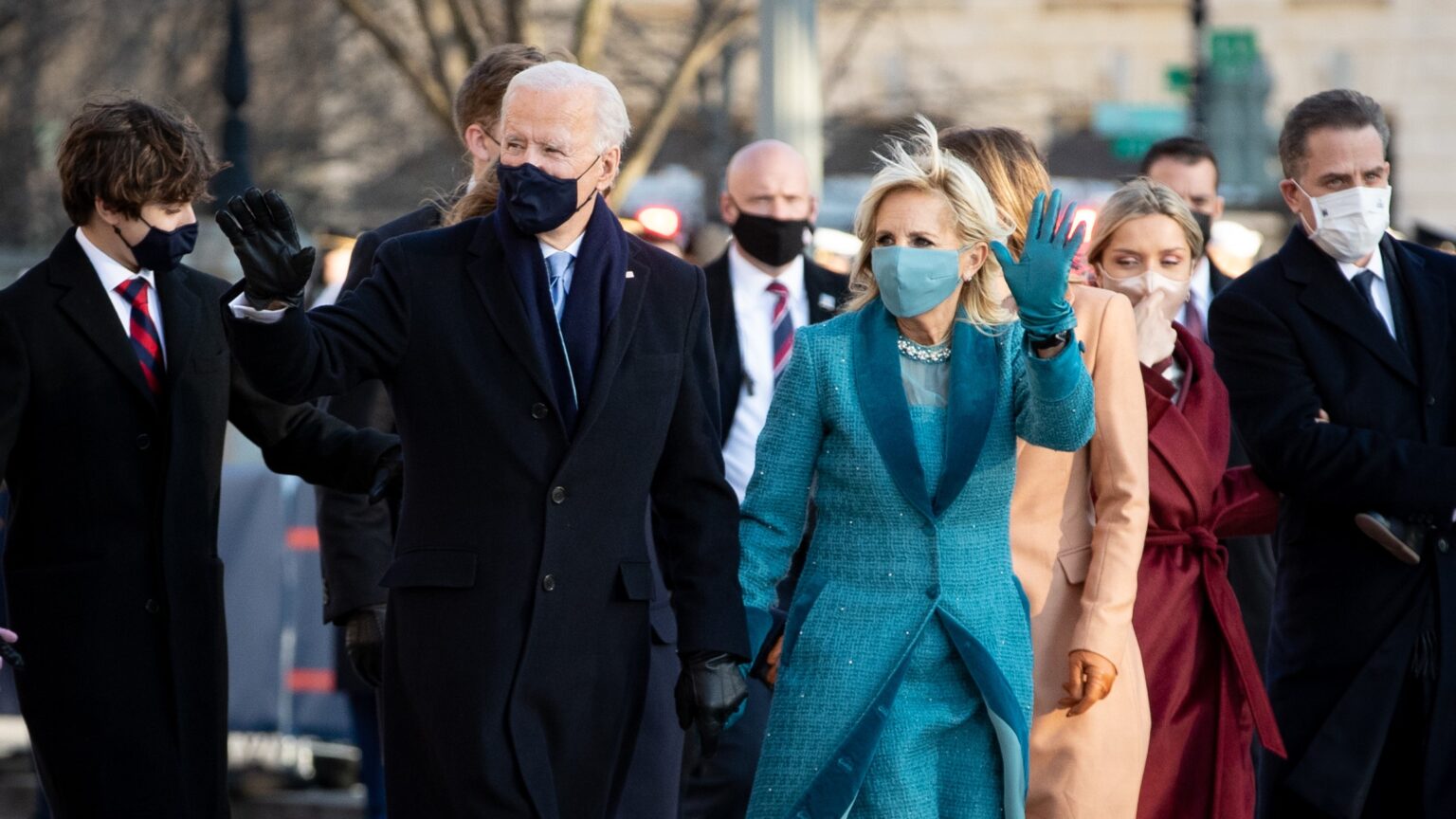
In an interview on Tara Palmeri’s podcast, journalist Marc Caputo revealed that he was told while working for POLITICO not to write about the Hunter Biden laptop story, which could have damaged Democrat nominee Joe Biden before the 2020 election.

Hungarian Prime Minister Viktor Orbán reflects on the nation’s resilience and leadership during the COVID-19 pandemic in a newly released documentary. The film chronicles the efforts of government, healthcare, and everyday heroes during one of Hungary’s greatest challenges.
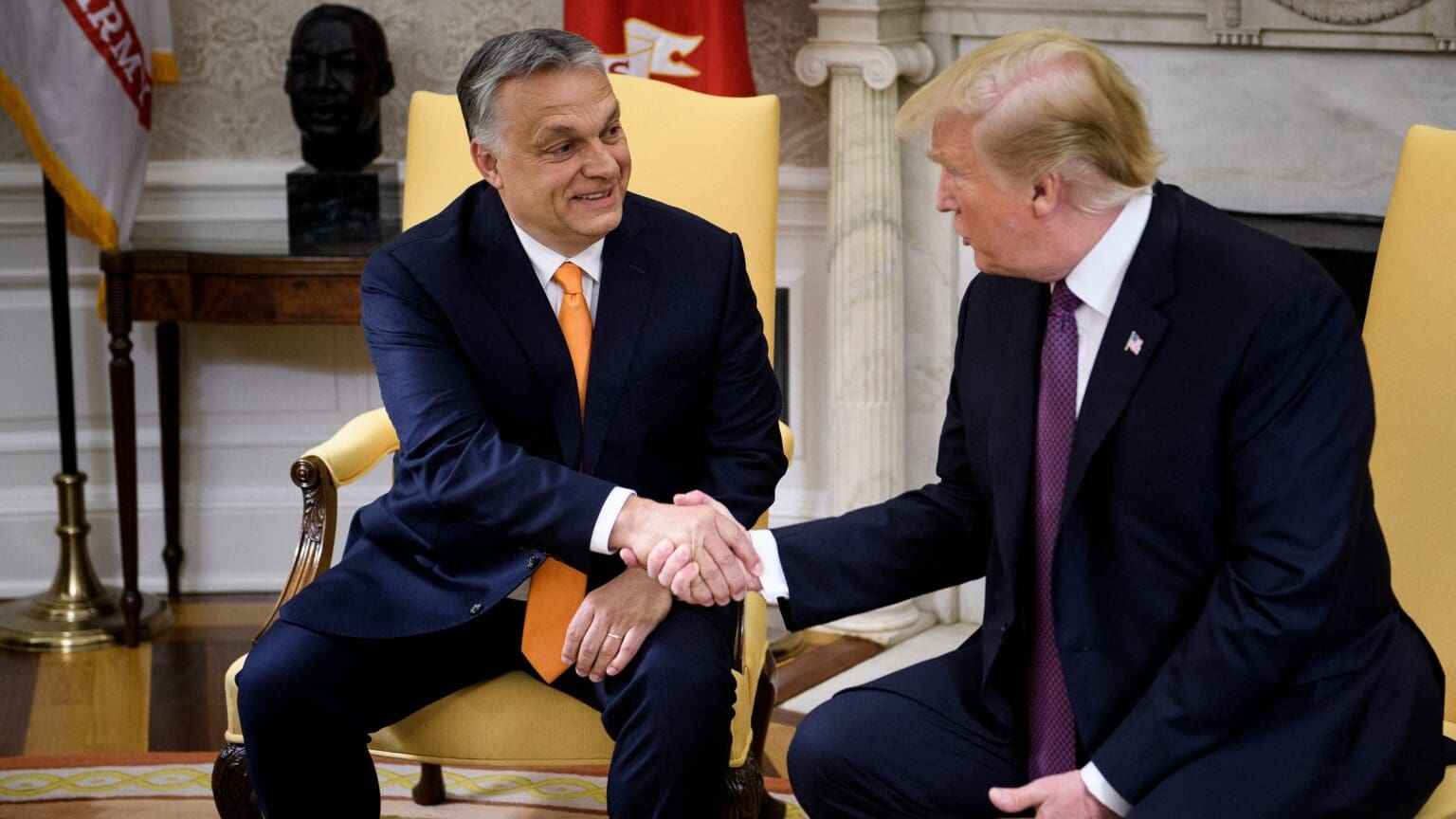
Hungarian Prime Minister Viktor Orbán has instructed his cabinet to prepare an agreement to reinstate the double taxation treaty between Hungary and the United States, unilaterally terminated by the Biden administration. The scrapping of the agreement by the previous US government caused significant economic and political harm to Hungary.

‘It is the metaphysical distinction between act and potency that brings depth to being, since it reveals to us that being is not just a fact that is or is not in a shallow binary fashion, but is something that hides in itself a treasure, potency namely, that can be increasingly brought to light through a process of actualization.’
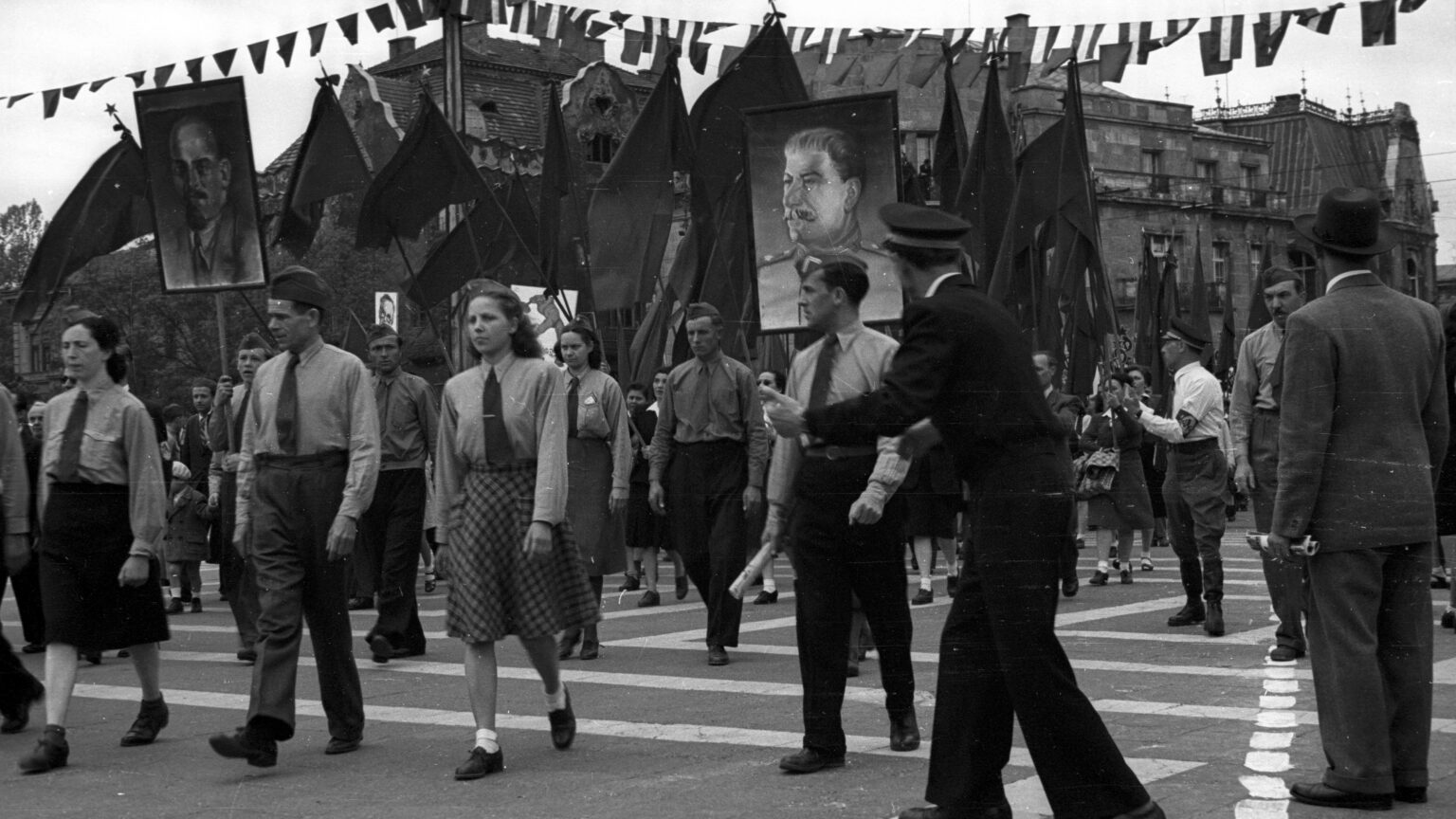
The obituary of László Geréb, who died in 1962, described him as a Marxist literary historian and a researcher of the class struggle. Perhaps by then no one remembered that Geréb, once known as László G. Gerő, used to be a promising Hungarian Jewish Zionist publicist and journalist.
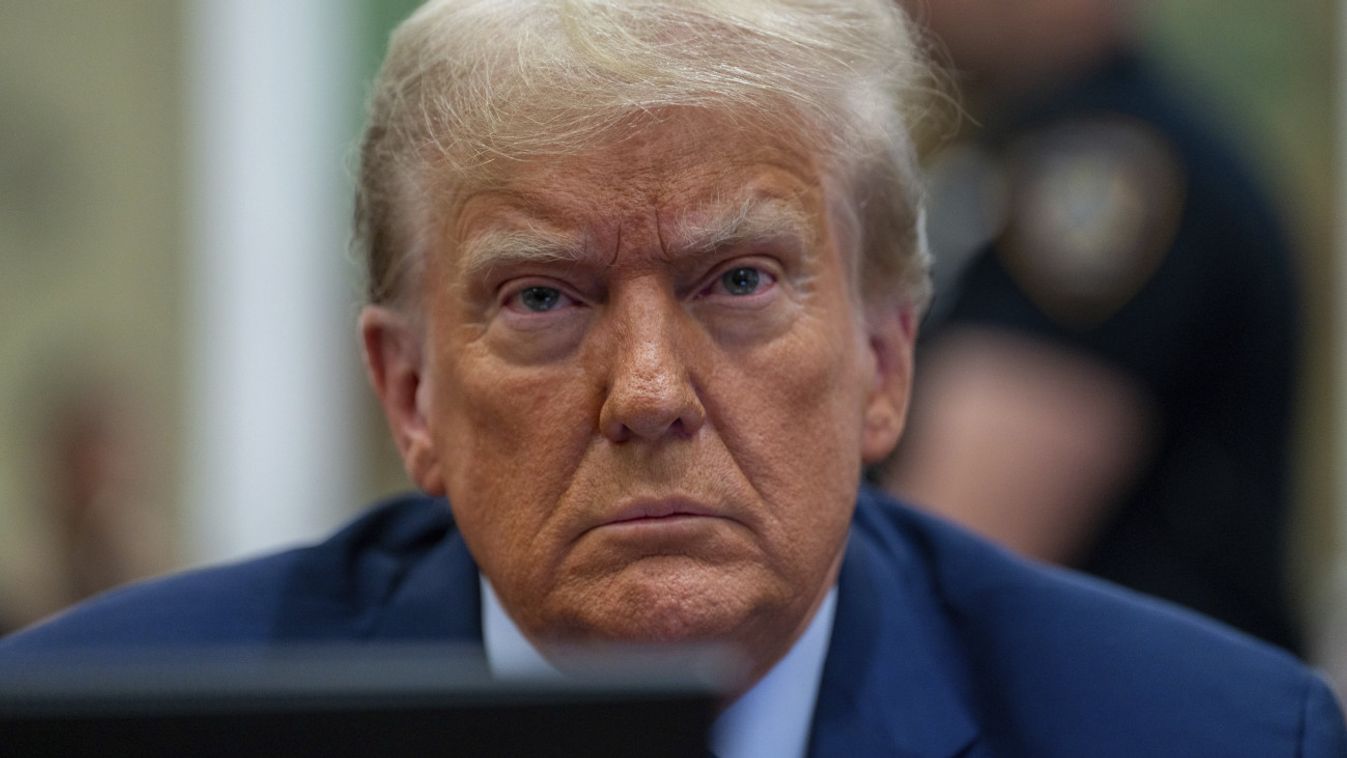
In his inaugural address, Donald Trump did not skimp on sweeping promises and tough talk. The old-new President of the United States promised a new golden age for the country, decisive action to protect its economic interests, as well as immediate measures to curb illegal migration.

The world press has covered the Israel–Hamas ceasefire deal in great detail, but little has been written about the three brave Israeli women who were the first to be released as part of the deal. Out article tells their story, also reminding that a Hungarian Israeli is still held by Hamas.

At a time when public debate is increasingly polarized and superficial, Hungarian Conservative remains committed to depth and independent thought.
Donate Now
Please consider supporting our mission.