Malév Flight 240: The Forgotten Tragedy Reconsidered

‘According to the cable, the Hungarian–Soviet investigative team was surprised that the Lebanese government had not conducted autopsies on the bodies “to determine whether the plane exploded before the crash”. Finally, the cable cites the French-language press in questioning how it was possible that only the conversation involving this aircraft failed to be recorded.’

Zelenskyy Threatens Hungary over Alleged Drone Incursion, Orbán Reacts

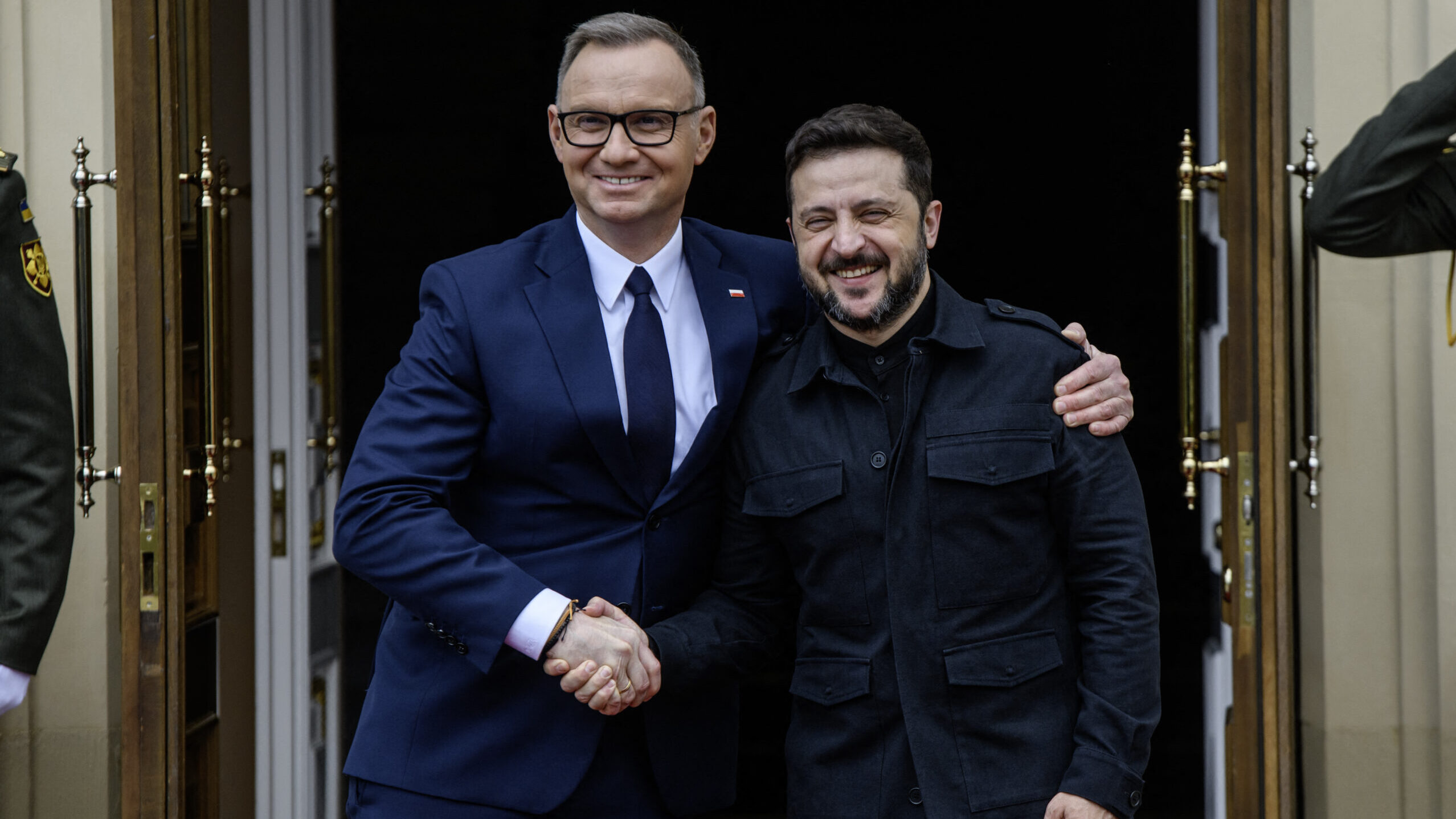
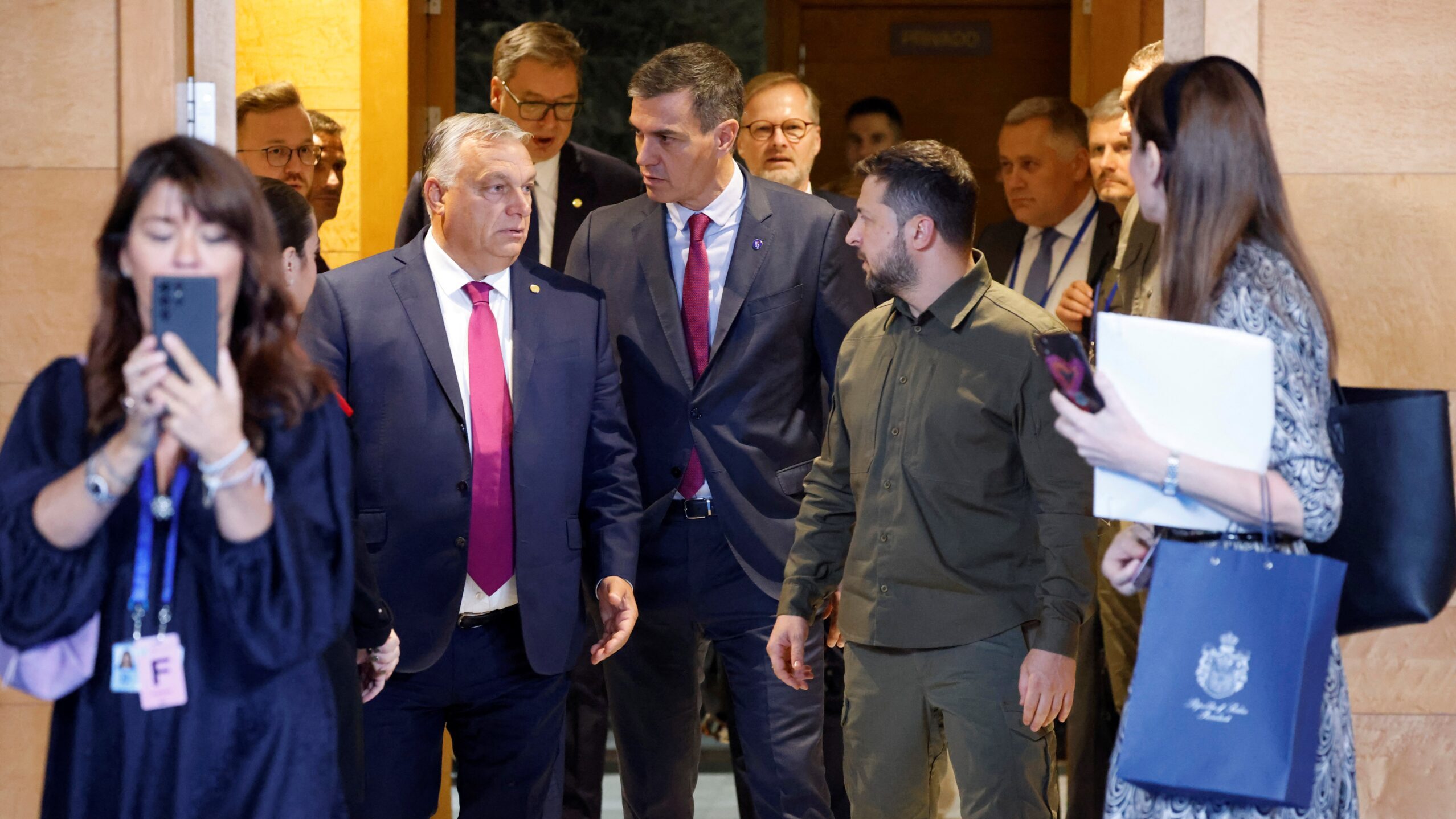
Ukrainian President Volodymyr Zelenskyy accused Hungary of flying reconnaissance drones across the border, warning Budapest it was engaging in a ‘dangerous’ game. Hungary firmly rejected the claim, calling it fabricated and politically motivated. The row adds to a long list of clashes between the two uneasy neighbours.

Aliza Bin-Noun PHOTO: Tamás Gyurkovits/Hungarian Conservative

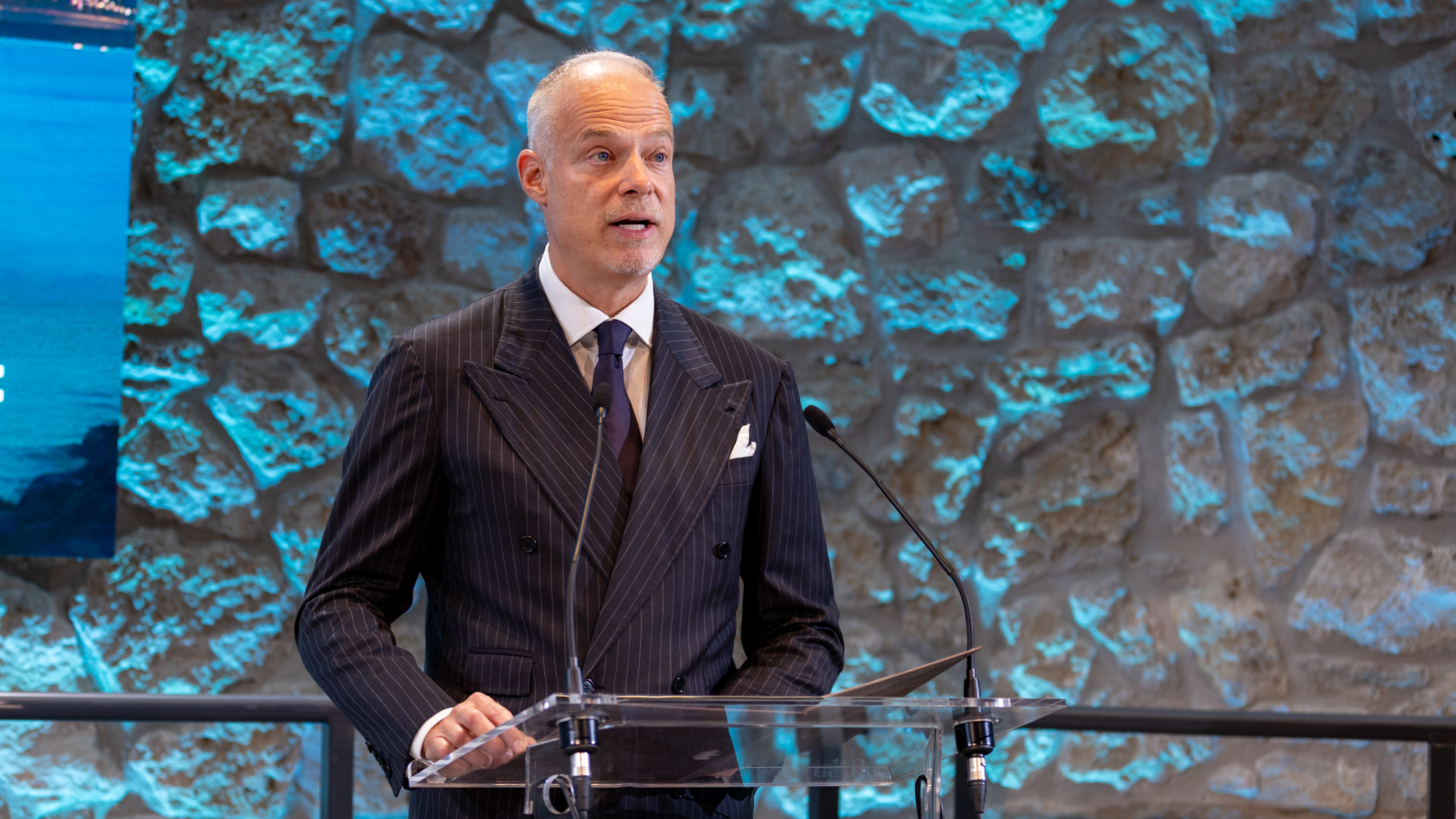
Won’t Israel Become a Pariah State? — An Interview with Aliza Bin-Noun

What is Israel planning to do after the Western recognition of Palestine? Will there be a point when Washington doesn’t back Israel further? Why has the Hungarian government become a pro-Israeli government? We spoke with the former Political Director of the Israeli Ministry of Foreign Affairs about the fragile situation of the Jewish state at the Danube Institute’s Geopolitical Summit in Budapest.

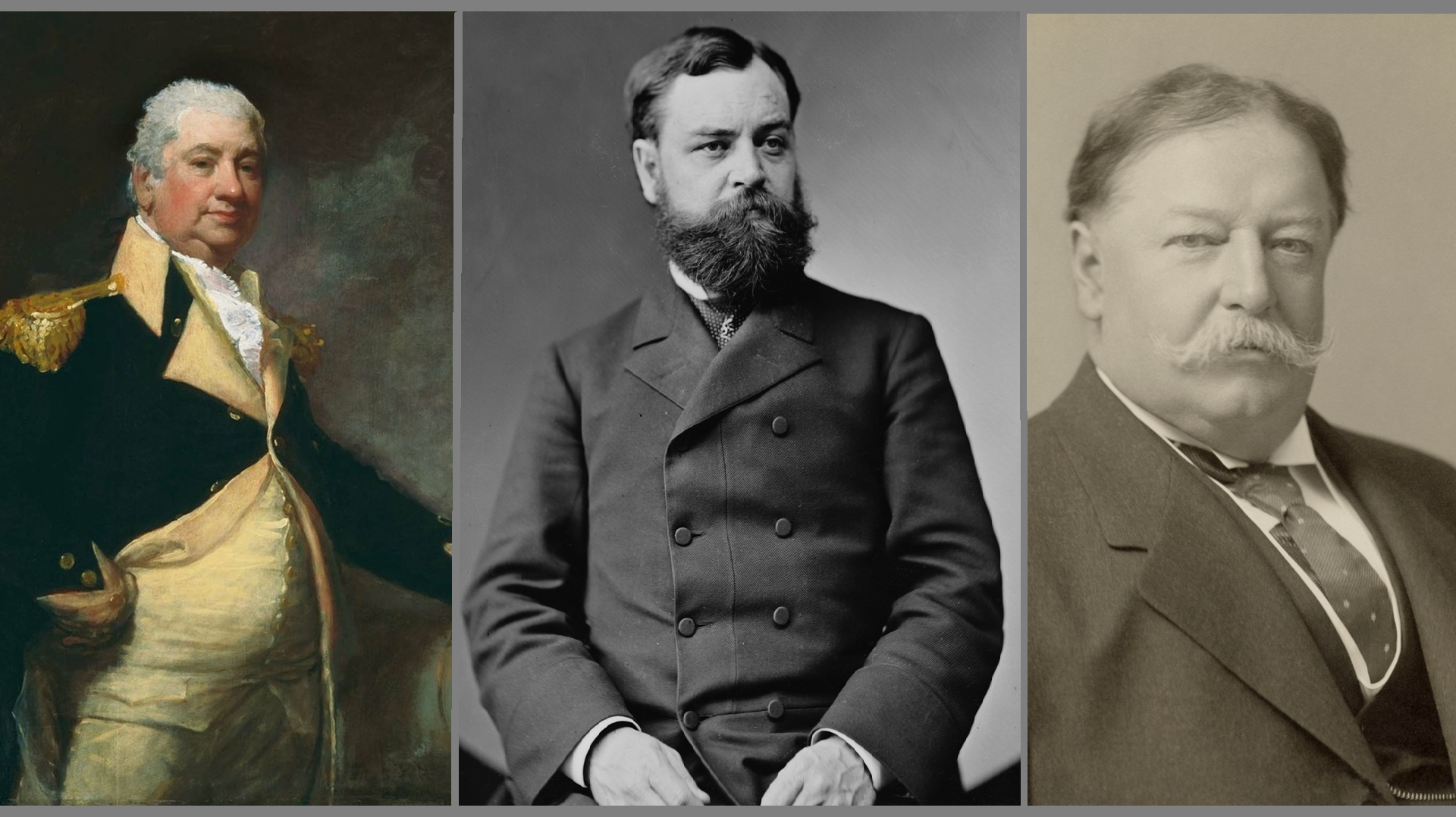
The Most Famous Secretaries of War in US History

With President Trump’s executive order last week, the United States officially has a Department of War again, for the first time since 1947. On that occasion, let’s take a look at the most famous men to serve in the office of Secretary of War before the incumbent Pete Hegseth.

The Changing Battlefield: Paradigm Shifts and the Nature of Modern Conflict

‘The current epoch marks another revolutionary shift: the digital warfare paradigm, driven by rapid advances in artificial intelligence, cyber capabilities, autonomous weapons, and real-time data integration…It is no longer sheer numbers or tonnage of materiel that decide battles, but information superiority, network resilience, and the speed of decision-making.’

:Pieter Bruegel the Elder - The Tower of Babel

Is the Majority Always Right? — Democracy and Rationality Part II

‘Paradoxically, it appears that democracy can only sustain and protect itself from collapse—whether through tyranny or chaos—by relying on elements that are not themselves democratic. It often seems easier to justify democracy with a quasi-mystical hypothesis than with one grounded in the actual conditions of political reality.’