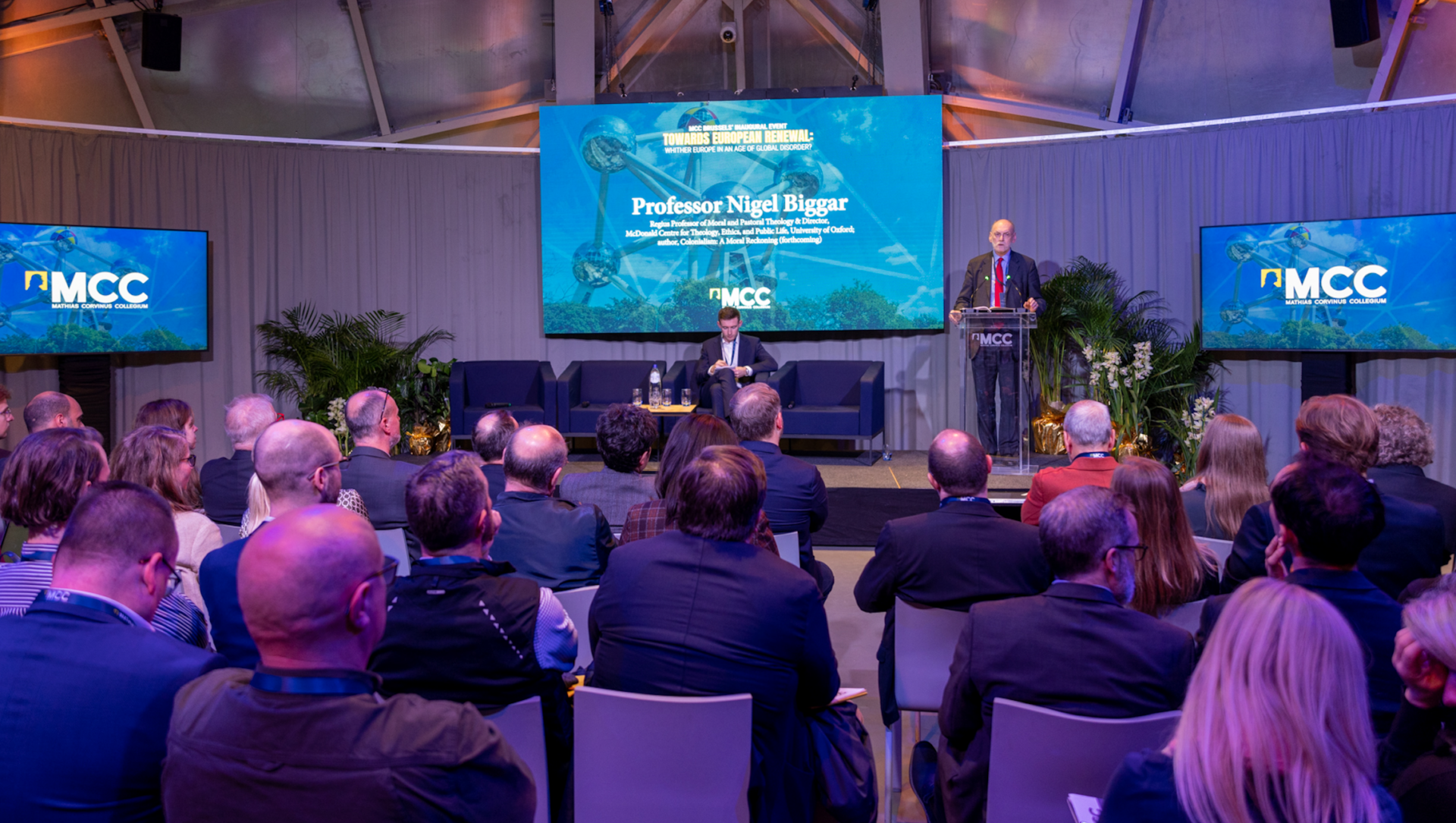
MCC Brussels Is Open for Business
At the opening event of MCC Brussels, Balázs Orbán said: ’As neighbours, we need to talk and listen. This is the only antidote to the spectre of political polarization that haunts politics today.’

At the opening event of MCC Brussels, Balázs Orbán said: ’As neighbours, we need to talk and listen. This is the only antidote to the spectre of political polarization that haunts politics today.’
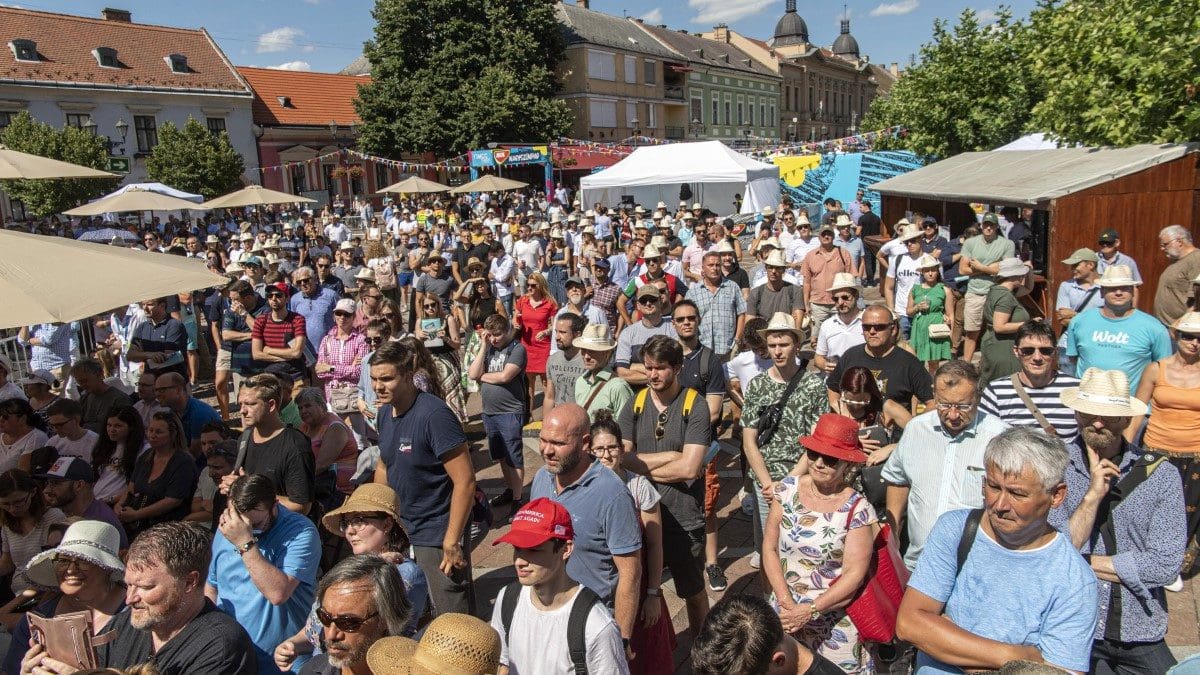
The junior classes at Mathias Corvinus Collegium received a record number of applicants this year, the highest figure for the faculty in 26 years.
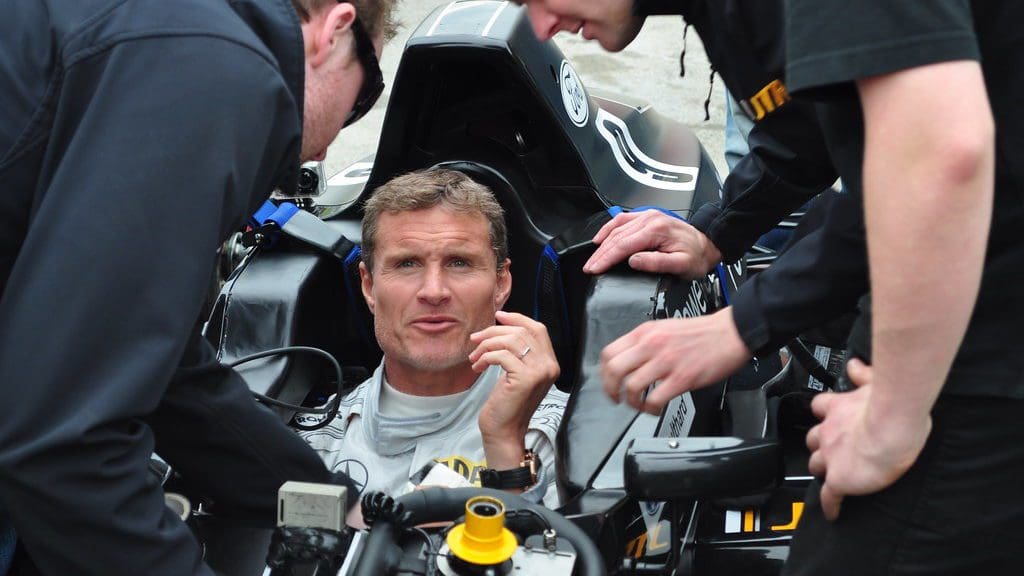
David Coulthard, former Formula One driver, now commentator, journalist and president of the British Racing Drivers Club, spoke at MCC Feszt in Esztergom on 29 July.
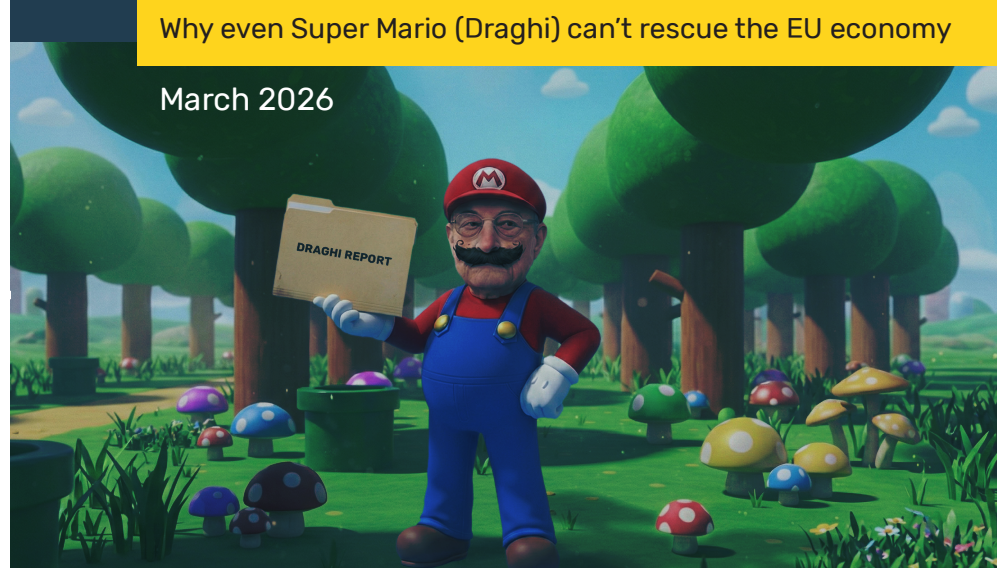
MCC Brussels warns the EU faces a decades-long productivity collapse, not a temporary competitiveness gap. Its new report argues Brussels is misdiagnosing the crisis, relying on subsidies and central planning while ignoring structural issues like low investment, overregulation, and high energy costs—thus risking long-term economic decline.
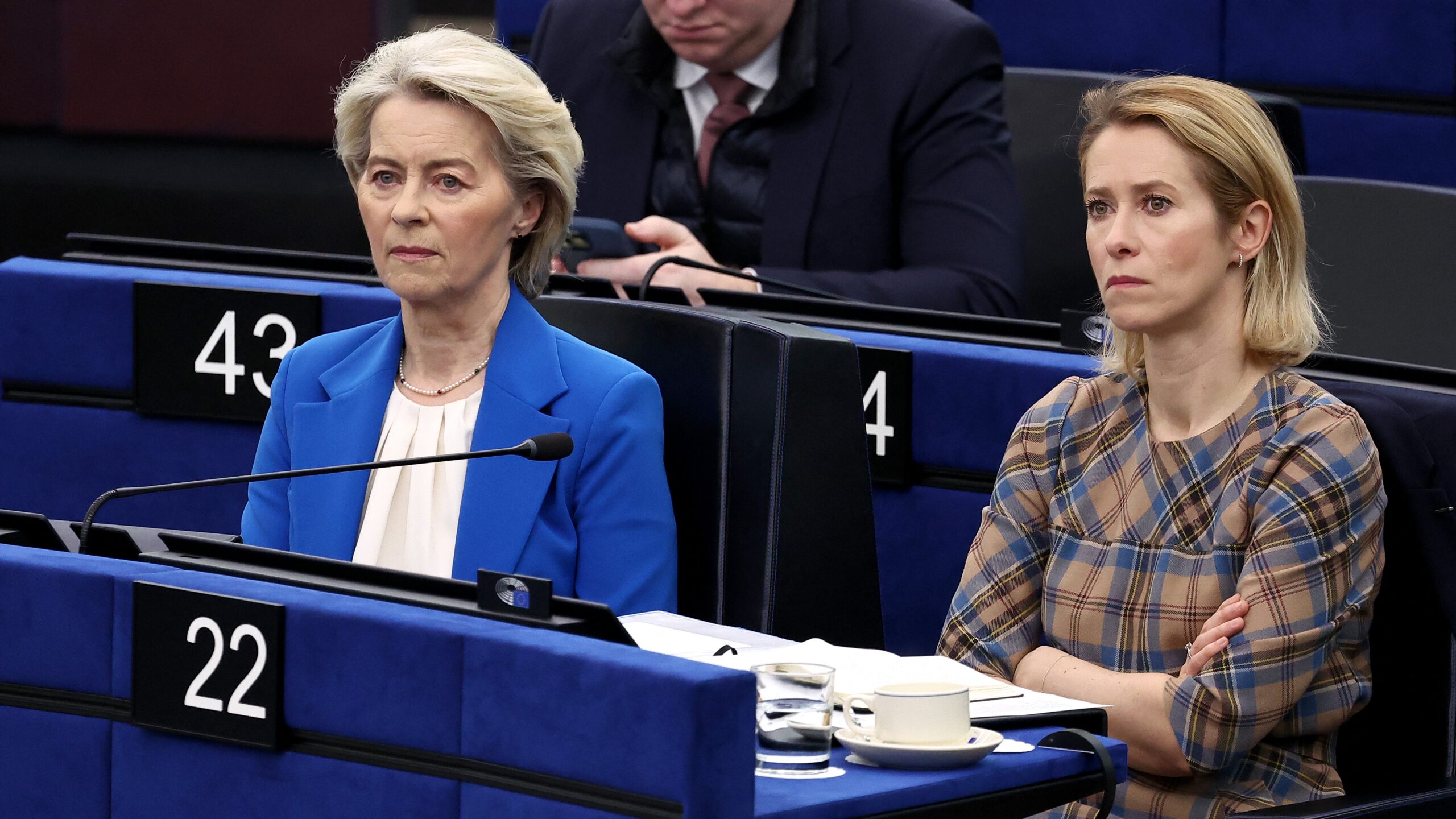
‘While the European Commission’s power grab is often romanticized as a way to enhance the EU’s capacity to respond to crises, in reality it represents a form of centralization that undermines Member States’ competences and weakens democracy.’
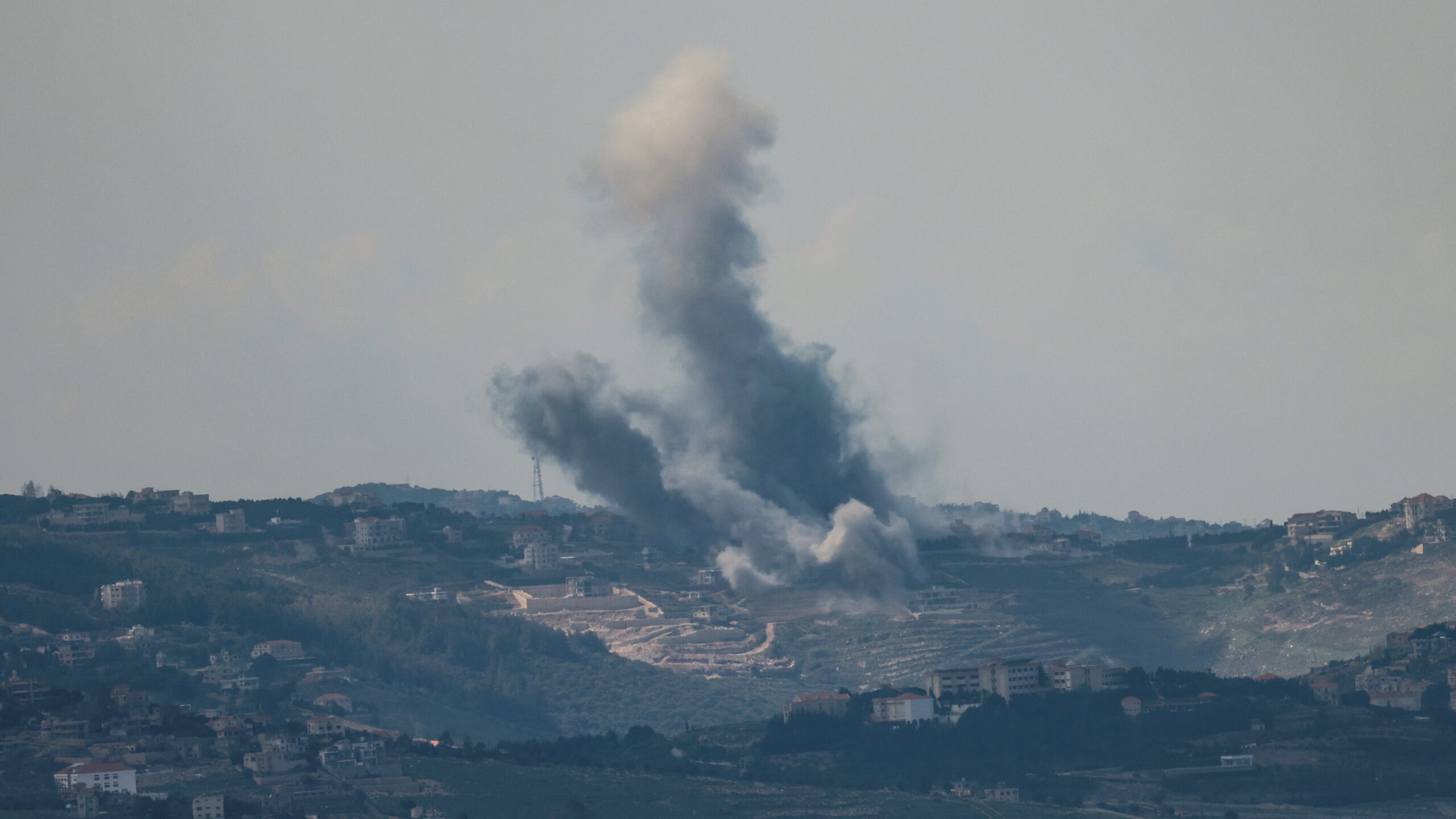
A new analysis warns that the war involving Iran could spark a prolonged migration crisis and increased security risks in Europe, as economic collapse and instability push millions of people to consider leaving the region.
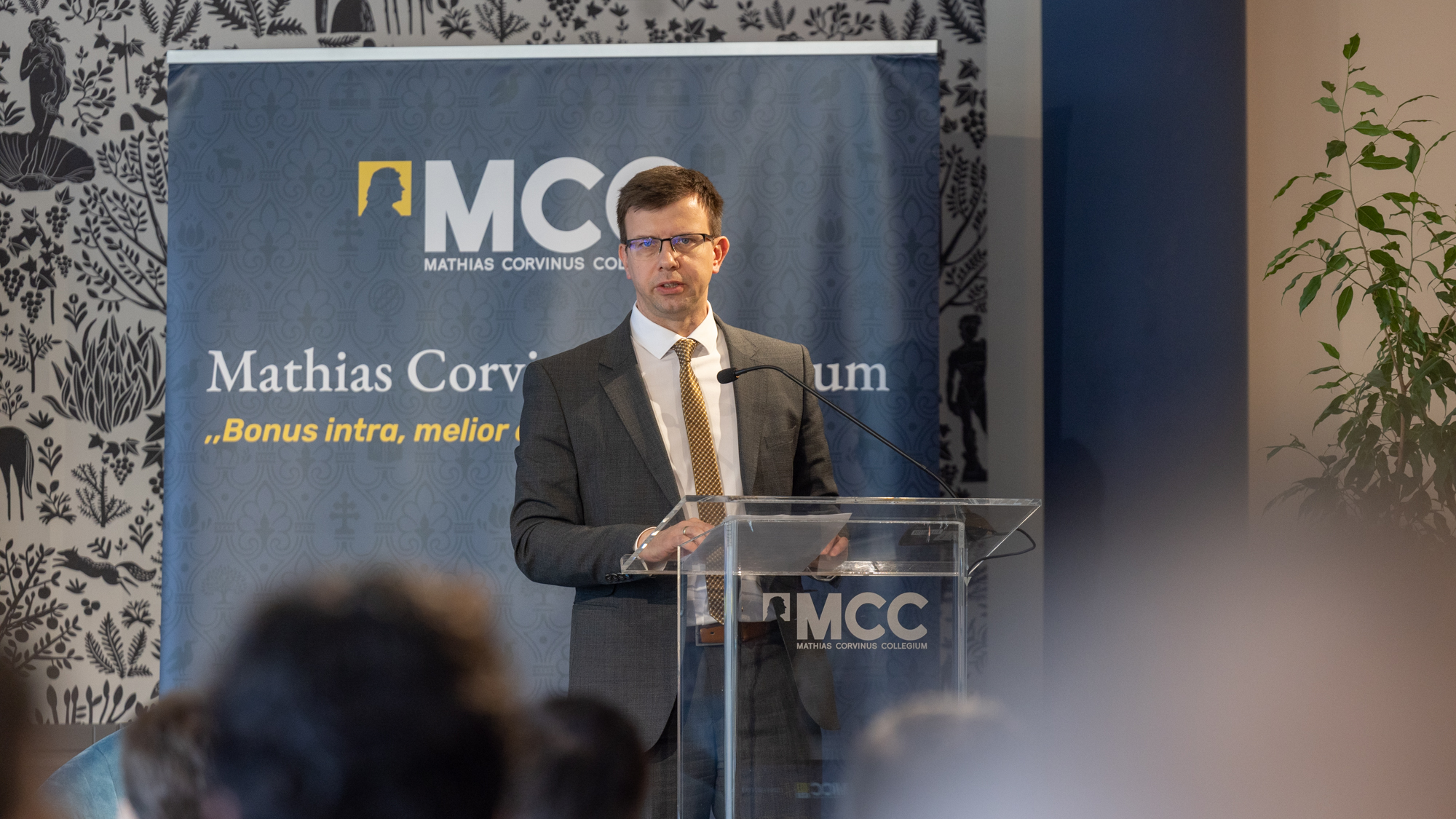
At an MCC event in Budapest, a lineup of distinguished speakers—featuring Minister for EU Affairs János Bóka of Hungary—criticized the Court of Justice of the European Union for overstepping its authority and advancing ideological agendas. Panellists and speakers warned that the Court’s expanding role risks undermining national sovereignty and reshaping Europe’s legal order.

‘Illness, war, living costs, and deteriorating public security in Europe currently pose more pressing existential challenges for us than climate change. As of now, this has not always been the case, and one may hope it will not remain so.’
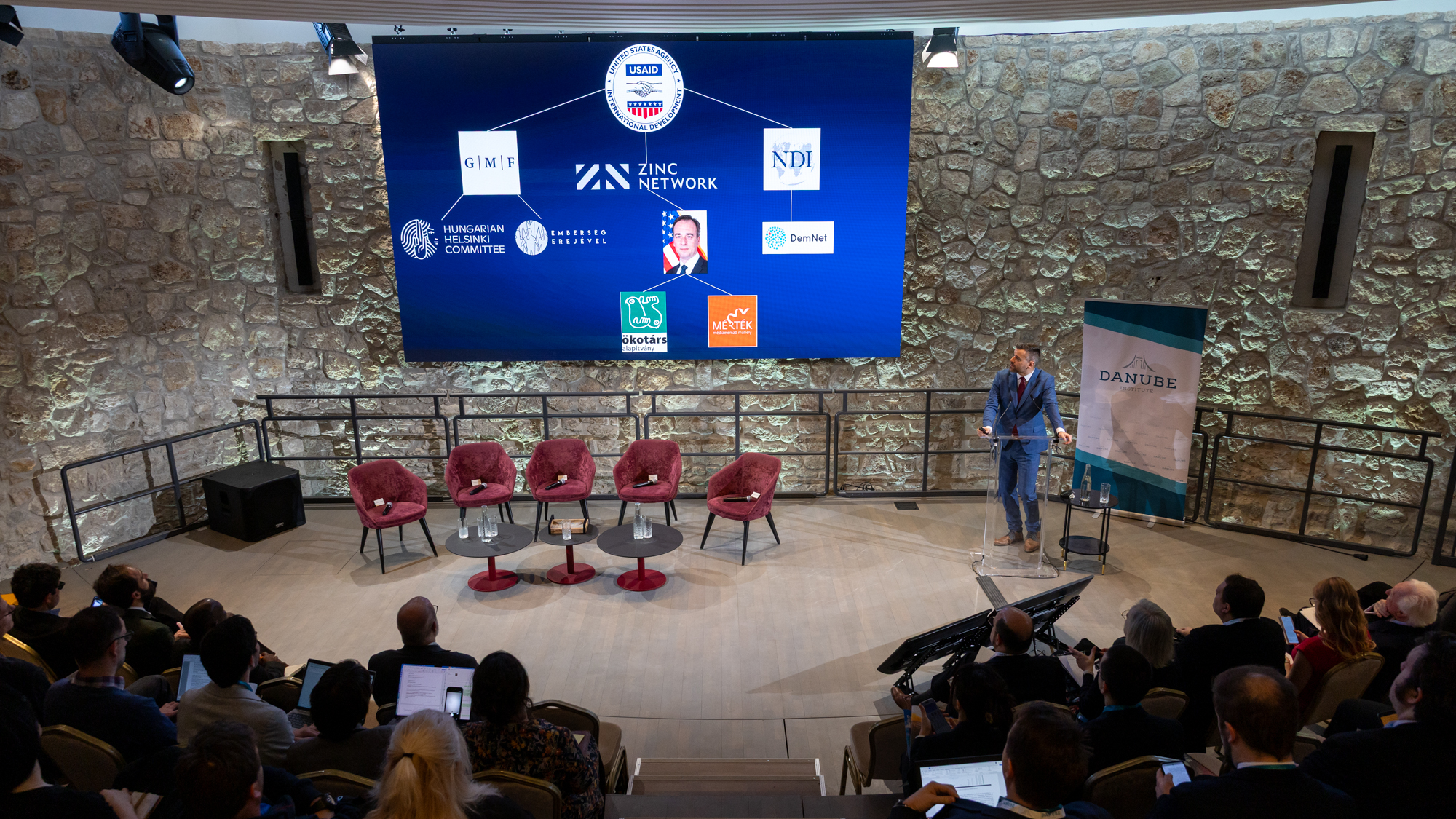
At the Danube Institute’s most recent event, MEP András László and a panel of experts have discussed how foreign aid agencies, such as the now-dismantled USAID, and ‘quasi-NGOs’ use foreign aid as a front to push a progressive agenda, as opposed to actually helping people in other nations.
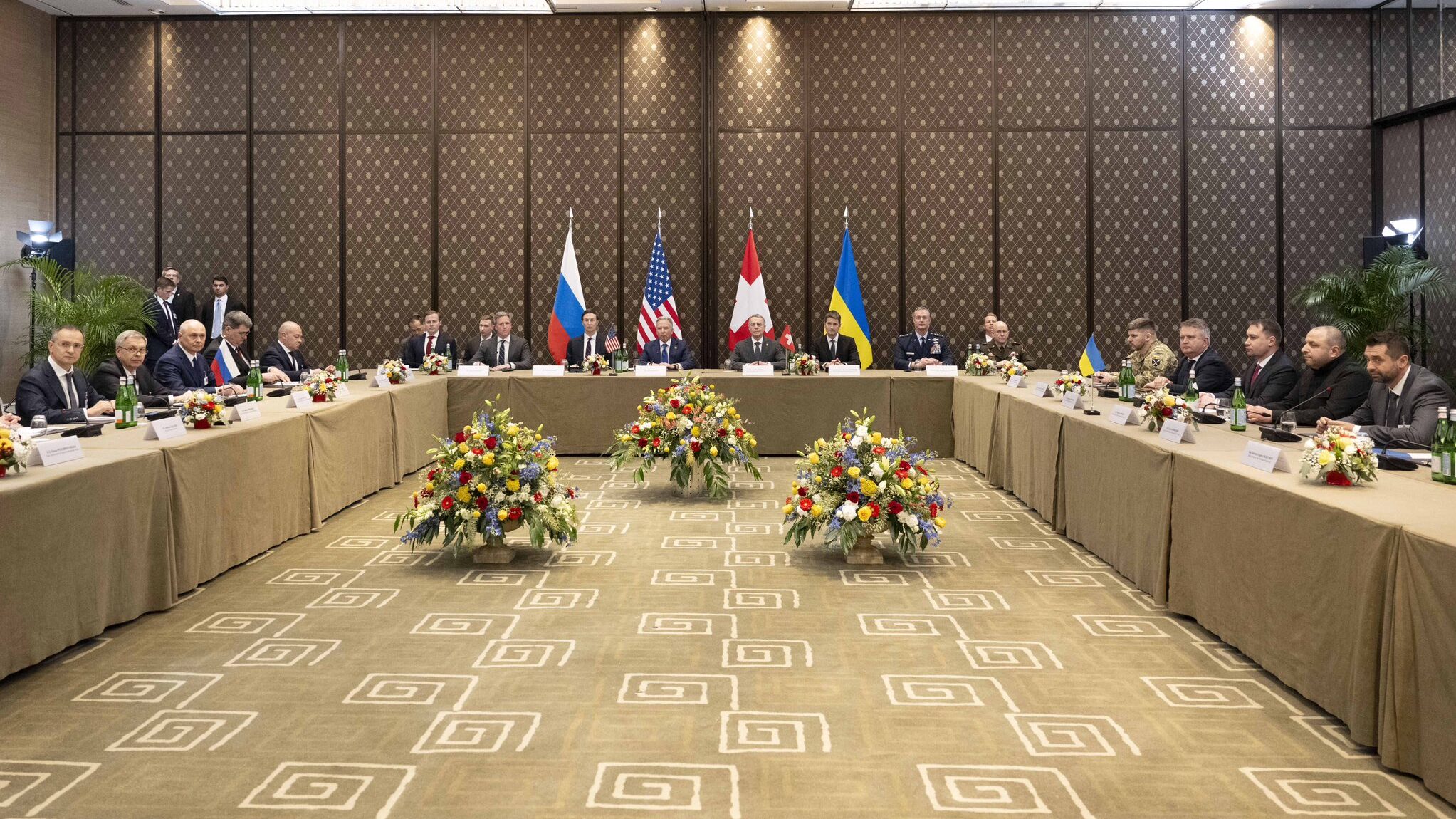
As the war in Ukraine enters its fifth year, one lesson is becoming increasingly clear: diplomacy only works if it is actually pursued. While Europe clings to moral posturing and isolation, Washington has returned to sustained engagement with both sides—slowly narrowing positions and proving that persistent negotiation, not silence, creates the conditions for peace.