How China Was Lost to Communism

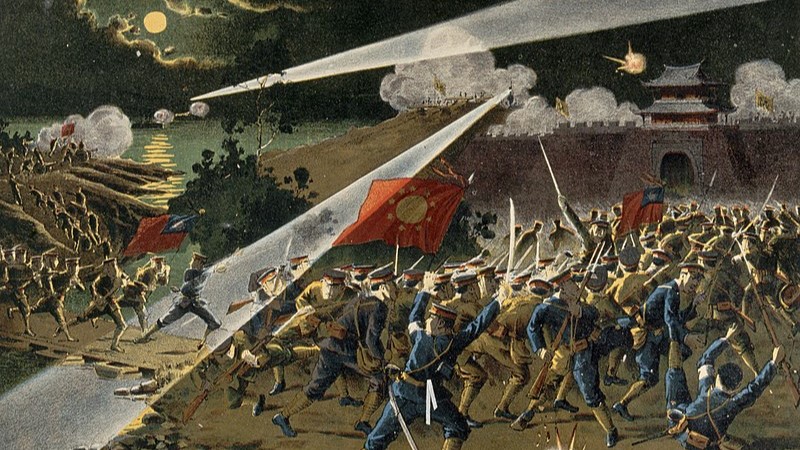
‘The Kuomintang (KMT)—sole ruling party of the country during its rule from 1927 to 1949—and the Chinese Communist Party (CCP) had been engaged in armed conflict since 1927. The warring parties had to halt the hostilities and temporarily unite with each other against Japan’s invasion of China in the Second Sino–Japanese War (1937–1945).’

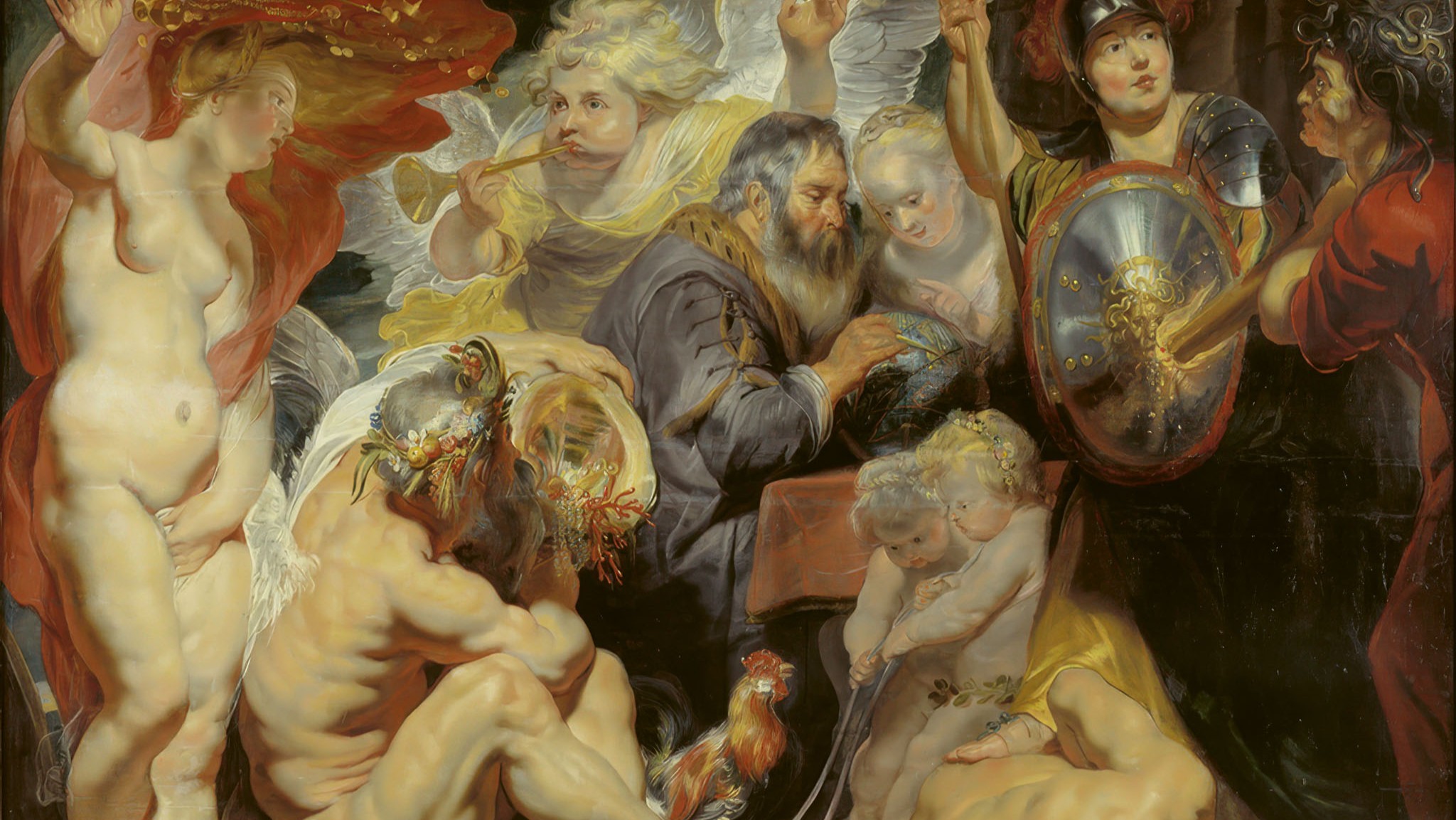
Maerten de Vos, Allegory of the Seven Liberal Arts (1590). Private collection

The Conservative ‘Idea of a University’

‘In the twenty-first century, it might be thought quixotic…to be highlighting ideas about the purpose of universities that have anything to do with conservatism…The dominance of a progressive liberal “idea of a University” should not, however, let us forget that there is a conservative “idea of a University” waiting in the wings and ready for the opportunity to reassert itself…’

Balázs Orbán Opens MCC Feszt 2025 Urging Von der Leyen to Resign

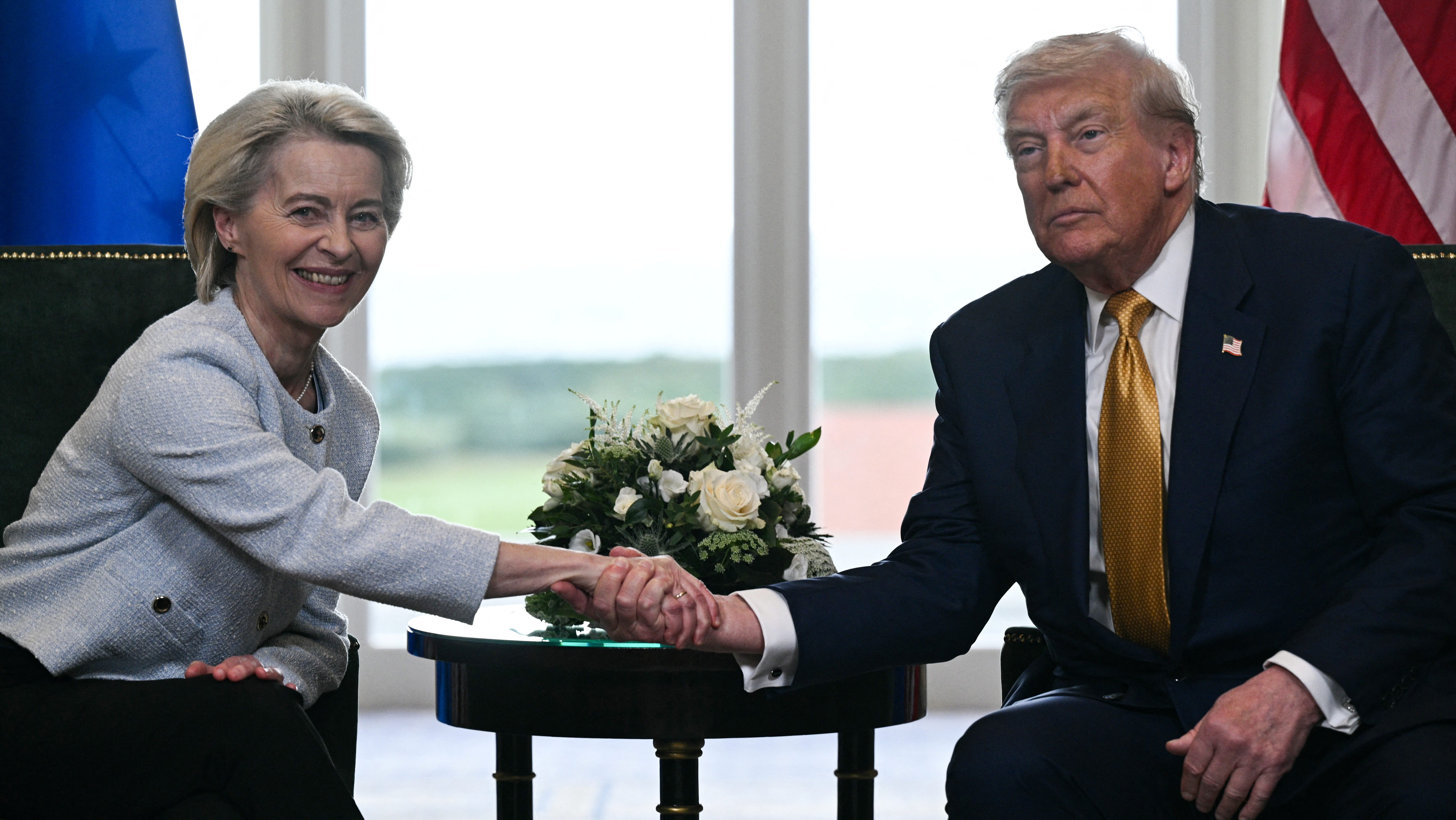
During the opening panel of MCC Feszt 2025 on Thursday, Balázs Orbán declared that the European Commission had betrayed European citizens by accepting the humiliating terms of the US–EU trade deal and that Ursula von der Leyen should resign. Joined by Patrick Deneen and James Orr, the panellists explored the prospects of a world beyond liberalism.

Europe’s Century of Humiliation Is Well Underway

After the US–EU trade deal, it is impossible to ignore the striking similarities between late Qing‑era China and Europe’s current predicament. The period marking the downfall of the Qing dynasty is known as China’s Century of Humiliation—a process that, in many respects, is already well underway in today’s Europe. Yet our humiliation must not be allowed to last a century.

Pieter Jozef Verhaghen, Saint Stephen, King of Hungary Receiving the Legate (1770). Museum of Fine Arts, Budapest, Hungary

Ten Little-Known Facts about Hungary

‘Hungary’s conservative reform agenda has demonstrated considerable success across various domains, including migration policy, family support, economic development, and national security, with the country widely regarded as among the safest in Europe.’