The entrance of the Vésztő-Mágor Historical Site and Museum in Békés County, established to showcase the history and the excavated remains of the ancient mounds discovered near the site.

Kurgans in Hungary Bear Witness to Indo-European Migrations

Around 3100 BC, the Yamnaya people began to move westwards, migrating from their homeland in modern-day southern Ukraine and Russia. As they reached the Carpathian Basin and the Danube valley, they began transforming the landscape of their newly acquired home, erecting kurgans, that is, burial mounds, for the deceased of higher status. Many of these ancient mounds are still visible in Hungary.

Debate on Migration in UN Security Council

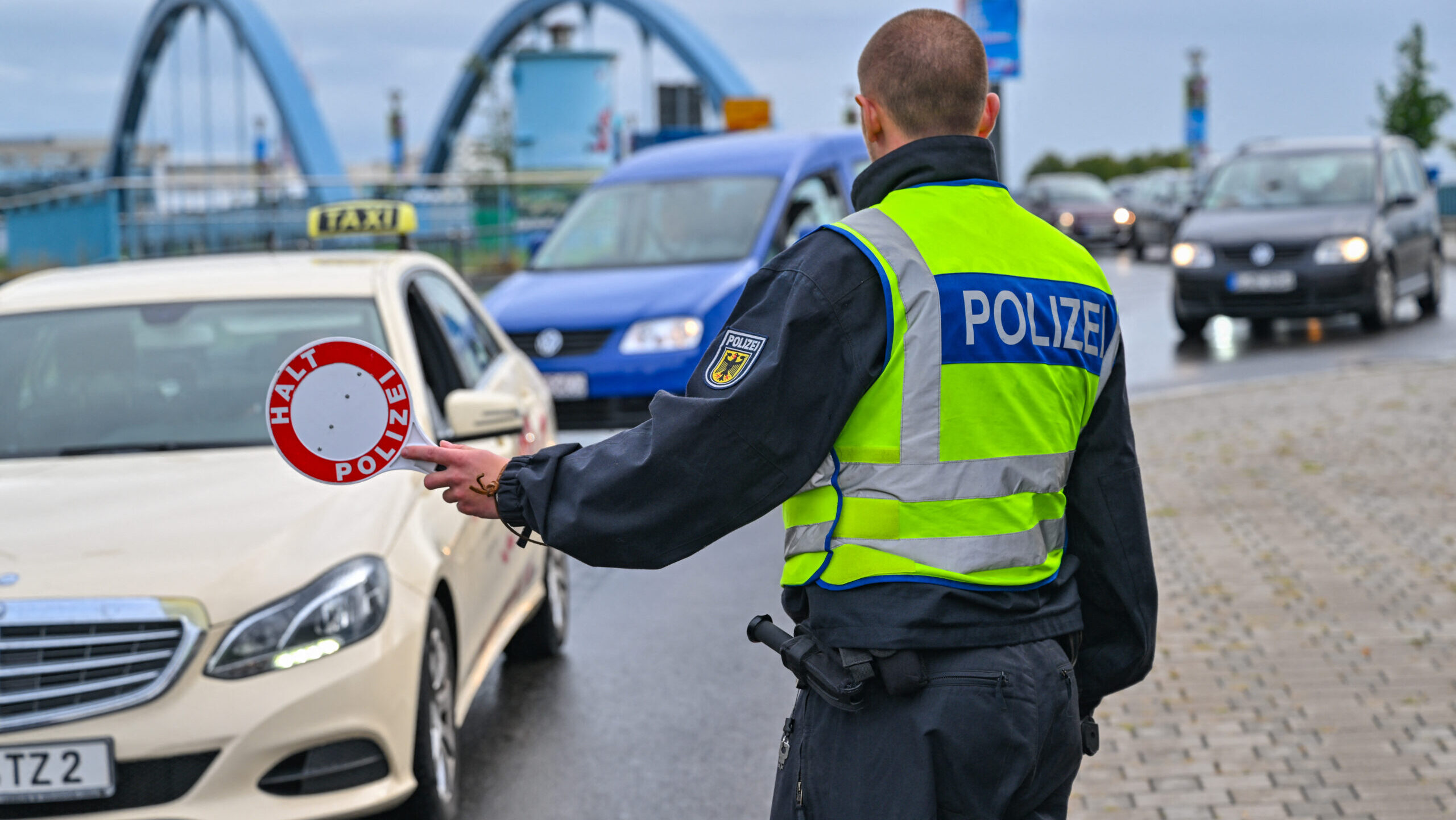
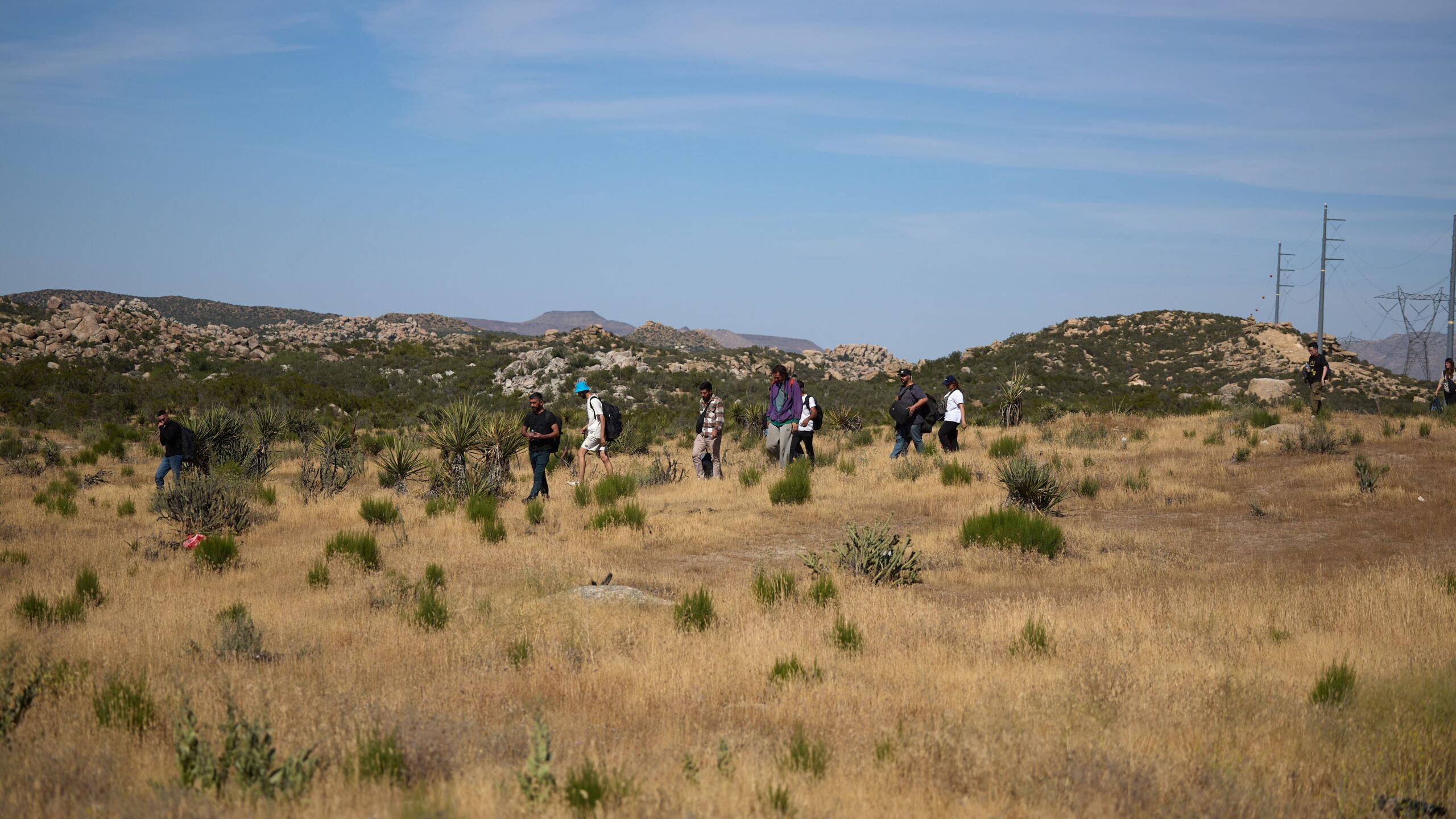
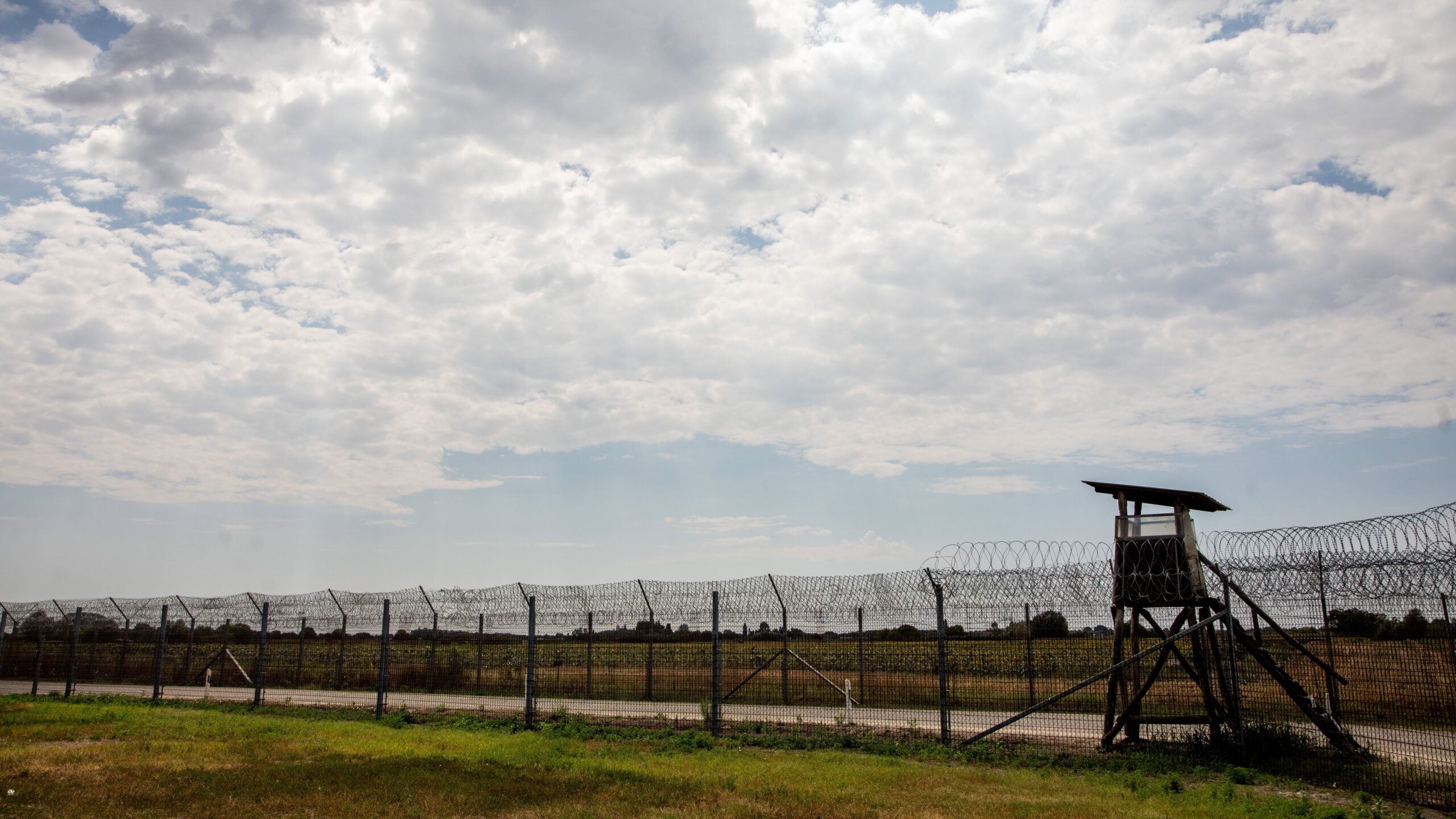
During a debate in the UN Security Council, Foreign Minister Szijjártó of Hungary argued that the international community should focus on trying to improve the conditions in the migrants’ countries of origin instead of hosting them in more developed foreign countries. He also suggested that migration should be examined from a security, not a humanitarian perspective.

International Network for Immigration Research Established by MCC

The International Network for Immigration Research has been just inaugurated by the Mathias Corvinus Collegium. The network will allow research centres across multiple countries to coordinate research and share findings with each other on the contentious issue of immigration. Four experts on the subject held an insightful discussion at the MCC Campus in Budapest, Hungary to mark the occasion.

Judit Varga Slams Ideology-Driven EU Migration Policy

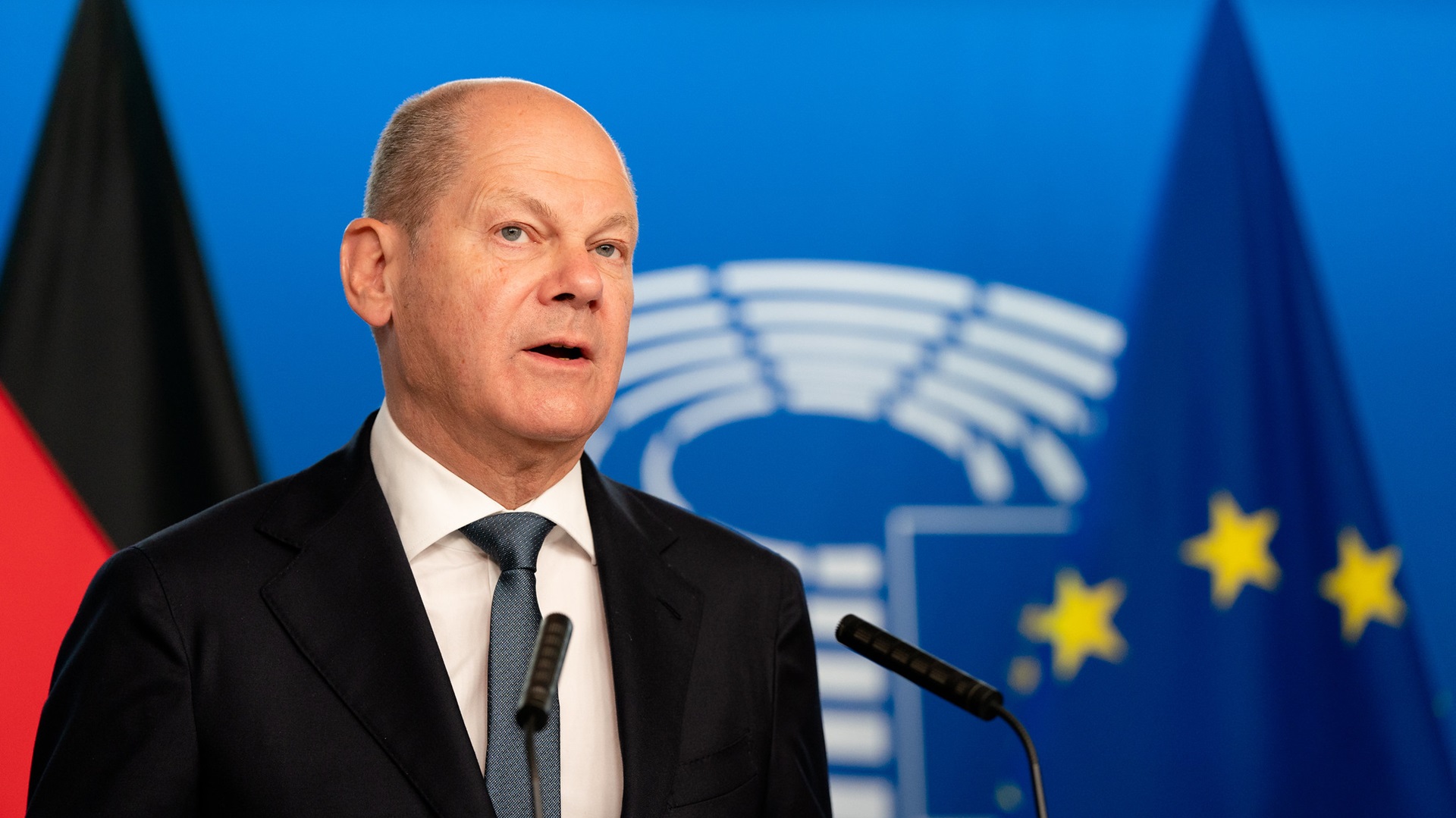
Varga, who the Sunday Telegraph notes is set to run in the European Parliament election next year as ruling Fidesz’s lead candidate, said the difference between asylum and migration must be carefully considered. ‘Asylum is a human right, but migration is not,’ she said.