Patriots Triumph: Orbán Allies Win in Austrian, Czech Elections

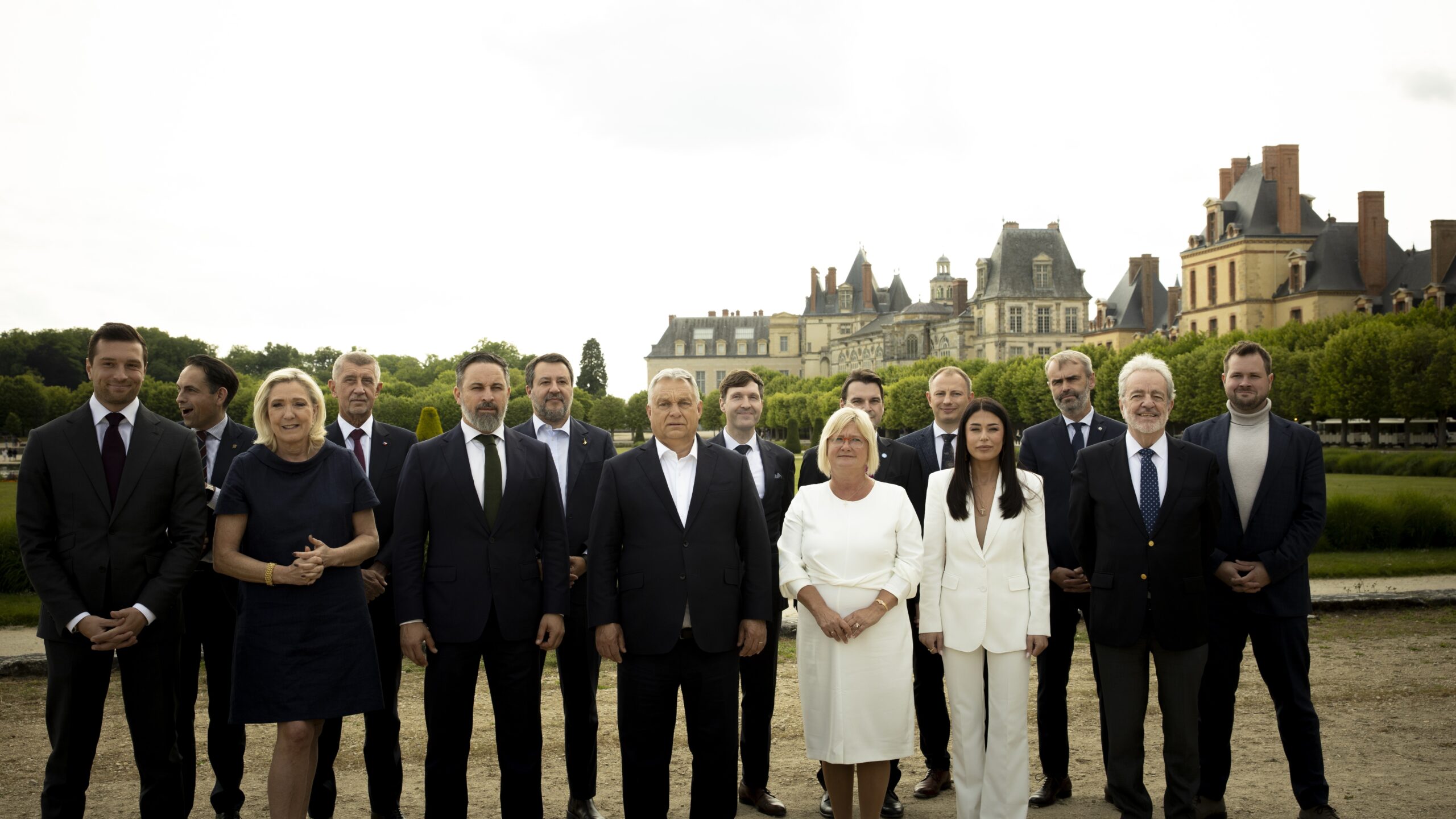
Parties belonging to Patriots for Europe (PfE) are achieving electoral successes one after the other: first, Andrej Babiš’s ANO party secured a major victory in the Czech regional and senate elections, followed by Herbert Kickl’s FPÖ emerging as the leading party in the Austrian parliamentary elections. These results indicate that the preferences of the European electorate align closely with the vision of the political group co-founded by Viktor Orbán, which continues to gain strength day by day.

A billboard with the image of Hezbollah leader Hassan Nasrallah, killed in an Israeli air strike on 27 September, displayed in Tehran on 30 September 2024.

Israel’s Strike on Hezbollah — The Herald of an ‘October Surprise’?

Historically, so-called ‘October surprises’ have influenced election outcomes, particularly when they involve national security or military engagement that provides little room for candidates to respond and little time for voters to digest before heading to the polls. A broader conflict in the Middle East could become a significant liability for Harris’s campaign, especially if US forces get drawn into the fighting.

Hungarian Army Reservist Recruitment Programme Adds 2,000 New Soldiers

The Hungarian Ministry of Defence and the HDF’s joint initiative Szeretem, megvédem! (I love it, I protect it!) started in June, looking to recruit new people into the Army’s territorial reserve units. Minister of Defence Kristóf Szalay-Bobrovniczky has informed the public that since the start of the programme, over 2,000 people have joined.

Budapest Flood Photos Spread on X

Users on X (formerly Twitter), corporate and private alike, were captivated by the images of the recent flooding of the Danube River in Budapest, Hungary. Photos of the flooded capital city spread across the social media site. Thankfully, the water levels have come down to normal since, and the flooding passed with no loss of human life.

President Franklin D. Roosevelt greets the delegation of the Polish American Congress on 11 October 1944.

Is There Really a Polish American Vote?

‘For those whose hearts beat on both sides of the Atlantic, the more productive consideration is what this election signifies for U.S.–Poland relations. Poland, like the United States, is bitterly divided between cosmopolitan urban areas and more conservative and religious exurbs and rural areas. After eight years of single-party Law & Justice rule, Polish conservatives are momentarily weak and banking heavily on a second Trump administration.’

Albert Bierstadt, In the Sierras / Lake Tahoe (1868). Fogg Art Museum, Harvard Art Museums, Cambridge, Massachusetts, USA

Playing Second Fiddle: Europe in the Atlantic Community

‘The gradual diminishing of Europe’s importance in the eyes of the successive US administrations in the twenty-first century has been arrested by Russia’s aggression against Ukraine, and weakened the “pivot” or “rebalance” to Asia for the time being: emergencies have cropped up elsewhere. As Joseph Stalin may be said to have been one of the “founding fathers” of NATO, so may Vladimir Putin be seen in a similar role with regard to the revival of NATO, and closer US–EU cooperation.’

Volunteers fill sandbags during the flood of 1954.

Floods Past and Present: Budapest and the Country Come Together when Under Water

The 1838 flood, commemorated by many memorial plaques and water level signs in the centre of the city, was not only a natural disaster but a tragedy that brought the country together. The heroism of Baron Miklós Wesselényi (1796–1850) for instance is kept in high regard to this day. The young baron gained national recognition for rowing around the flooded city rescuing people. His boat was equally open to the poor and the rich survivors of the flood; many were pulled from the water, others were save from rooftops.

‘We need to teach our young people that their country is something to be proud of’ — An Interview with Robert Wilkie

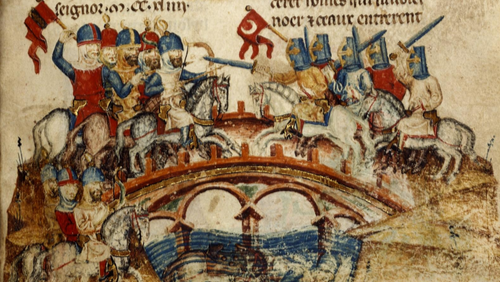
‘You [in Hungary] imbue your young people in primary and secondary school with a sense of Hungary’s place in history…I mean, this was the country that turned back the invasions from Turkey and the Muslim lands and saved European civilization hundreds of years ago…We need to teach history in our schools, teach our young people that their country is something to be proud of.’

A destroyed building following the Russian bombing in Pokrovsk, Donetsk Oblast, Ukraine on 13 September 2024

Accepting the Reality of a Probable Russian Victory

‘Since the start of the war, 8 million Ukrainians have fled their country; another 3 million have emigrated to Russia. Aside the mass defections, because of Ukraine’s birth rate collapse to the lowest recorded level, Zelenskyy has been unwilling to mobilize men aged between 18 and 25—typically the bulk of any fighting force. The fear is that, since most of these men are childless, should such die or become incapacitated, future demographic prospects would dim further.’