Peter Paul Rubens, Minerva Protects Pax from Mars (between 1629 and 1630). National Gallery, London, UK

Of War and Peace

This study focuses on questions related to the Russia–Ukraine War, one of the most dramatic events in contemporary European history. It seeks to examine the extent to which the citizens of Europe feel that the official positions of Brussels (the EU) and NATO, and the resultant decisions, are their own.

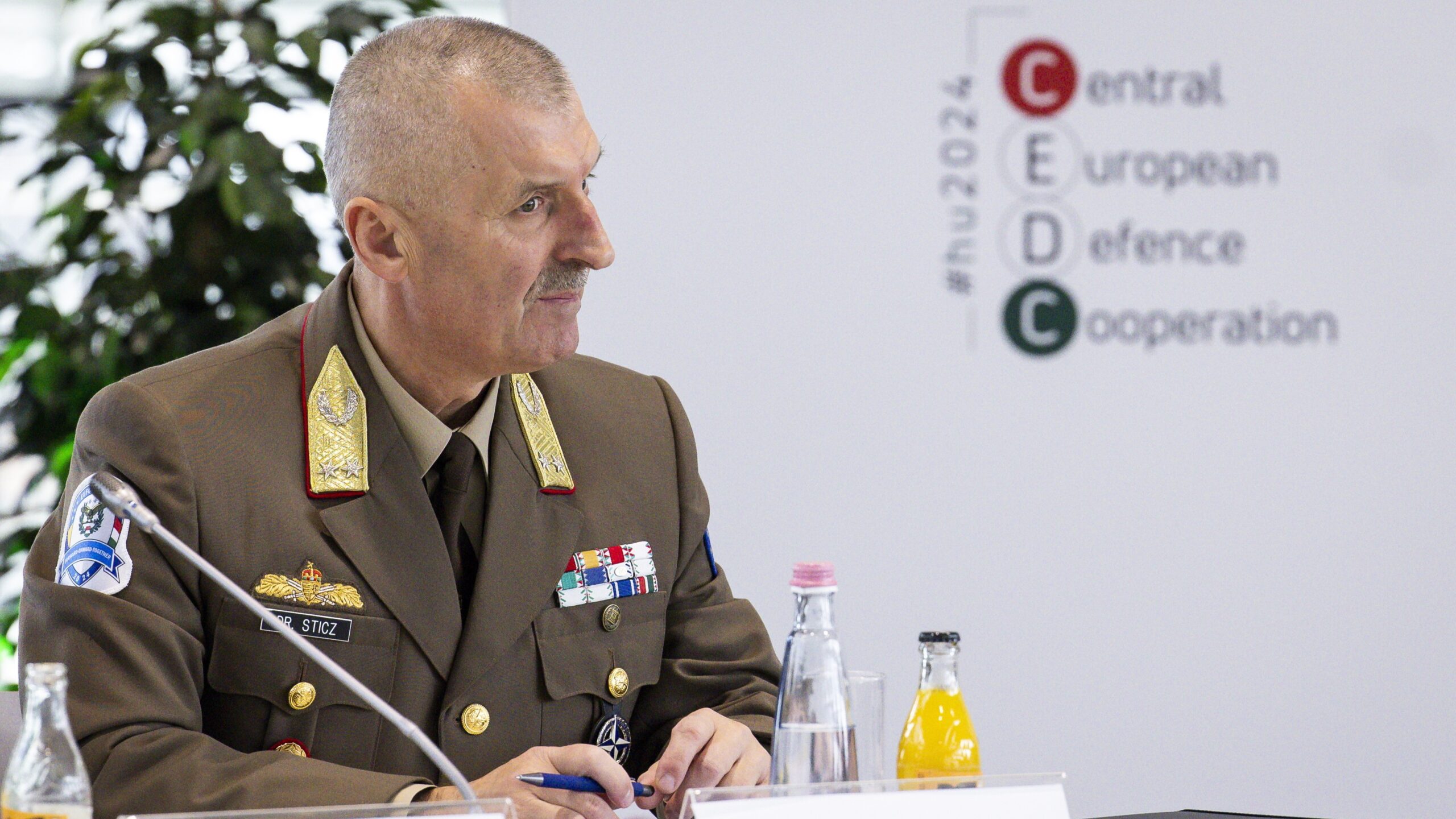
Day 1 of Danube–Heritage Geopolitical Summit Concludes with Discussions on Energy and Closing Remarks

Distinguished experts gathered at the fourth Danube Institute Geopolitical Summit to talk about the consequences of the green energy transition many leftist politicians are pushing for. Then, Former Prime Minister Tony Abbott of Australia; Ambassador Péter Sztáray, State Secretary for Security Policy and Energy Security of Hungary; and Former US Secretary of Veteran Affairs Robert Wilkie took the floor for closing remarks.

Theodore Roosevelt Spoils It for the Republicans: The Election of 1912

President Theodore Roosevelt hand-picked his successor William Howard Taft in 1908. However, he later turned against him, and ran as a third-party candidate in the 1912 election after failing to get the Republican party’s nomination, which led to the election of Woodrow Wilson, the first Democrat to win the Presidency in 20 years.

The Logic of the Cathedral — Áron Czopf’s Térforradalom (Spatial Revolution)

‘Space and time represent the two archetypes of political existence…Space inherently belongs to the polis, the starting point of political ‘residence’ (at least in the European cultural circle), and time belongs to the ship, the instrument of the ‘free movement of capital and labour’; the ship is an ancient invention but it is also—only developed later in time—a symbol of progression, change and technological dominance.’

The Mamluks of Egypt defeated the Armenians, 1266: Illumination from Le Livre des Merveilles, 15th century.

Pax Mongolica — The Freedom of Christian Conversion

Mongol rule brought not only immense destruction and suffering to the peoples of the conquered territories but also peace, known in modern research as ‘pax Mongolica’. The period of the Mongol Empire (1206–1368) is unique in world history.