A Glimpse into Russian Domestic and Foreign Propaganda and How the West Can Exacerbate It

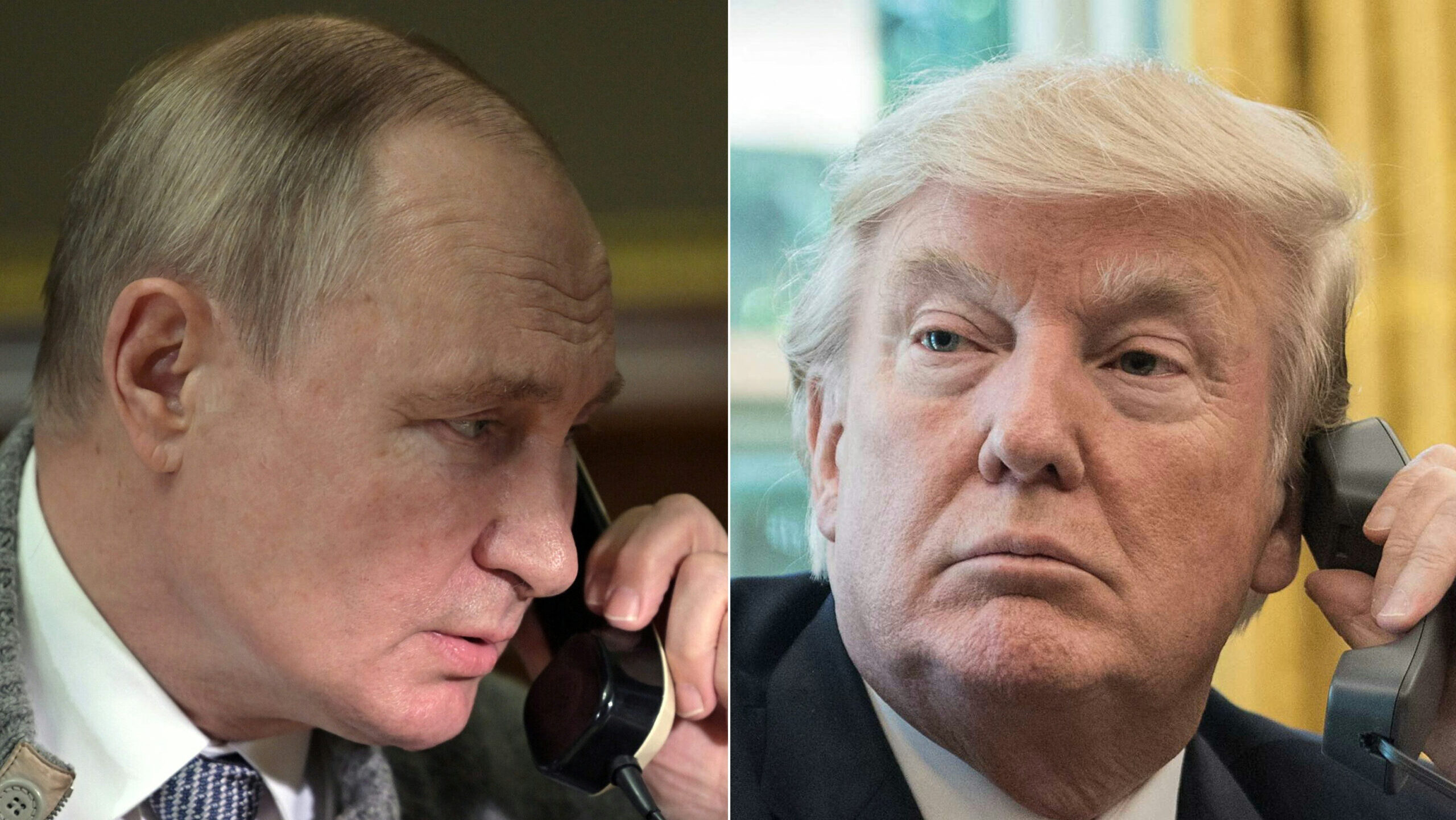
‘Else than the Azov militia, the most well-known example of radicals fighting in Ukraine is that of Denis Kapustin (also known as Denis Nikitin), the leader of the Russian Volunteer Corps (RVC), who led multiple raids into Russia from Ukraine. According to POLITICO, Kapustin is regarded as ‘one of the most influential neo-Nazi activists’ in today’s era. The praise these military formations received in the West for their reckless actions in Belgorod, without recognition of the dangers of their radical ideology, also feeds into Russian propaganda and helps it draw a parallel between the alleged past and present support the West gives to Nazis.’

NATO Secretary General Stoltenberg Agrees to Hungarian Opt-Out from Ukraine Mission

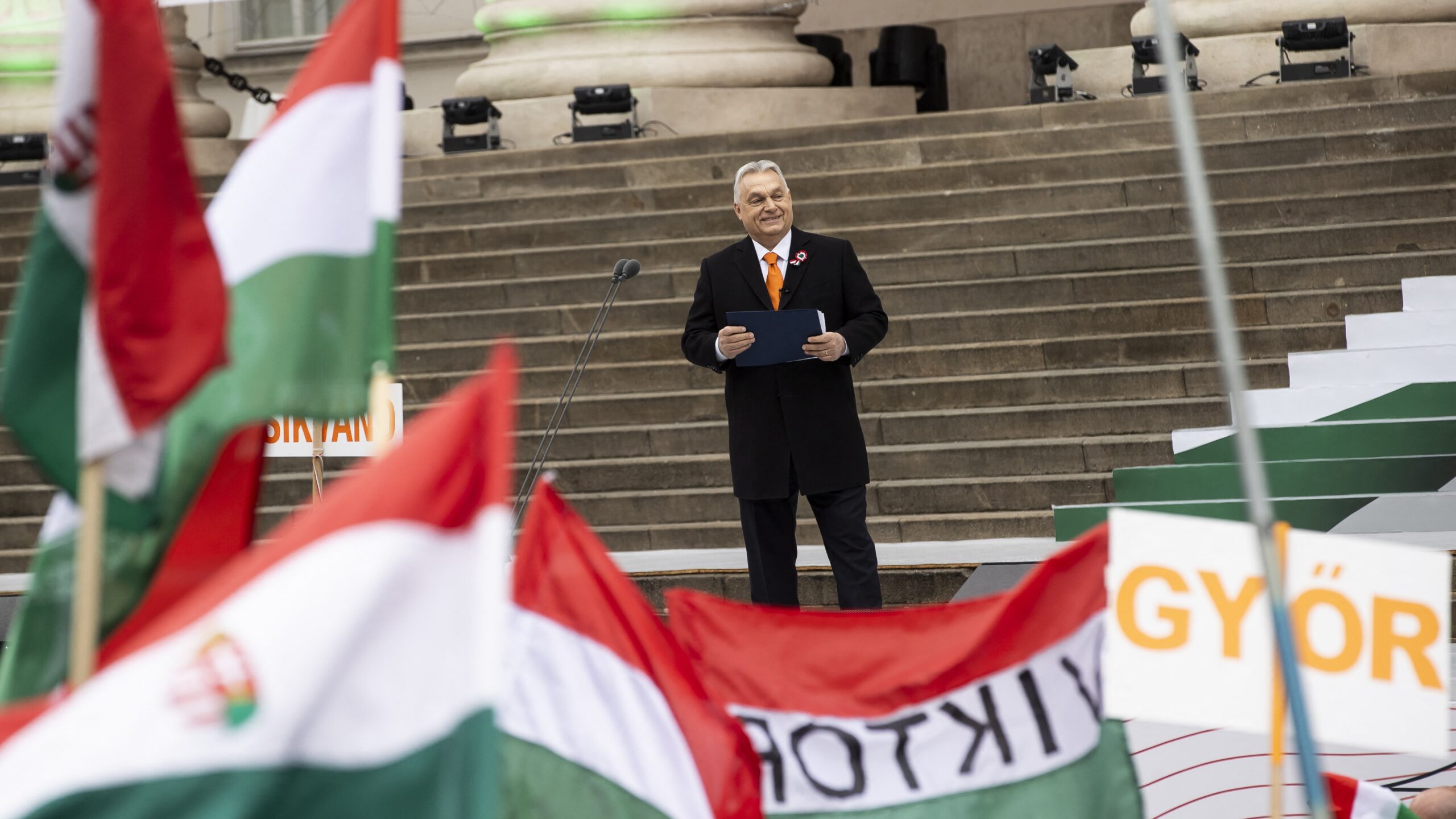
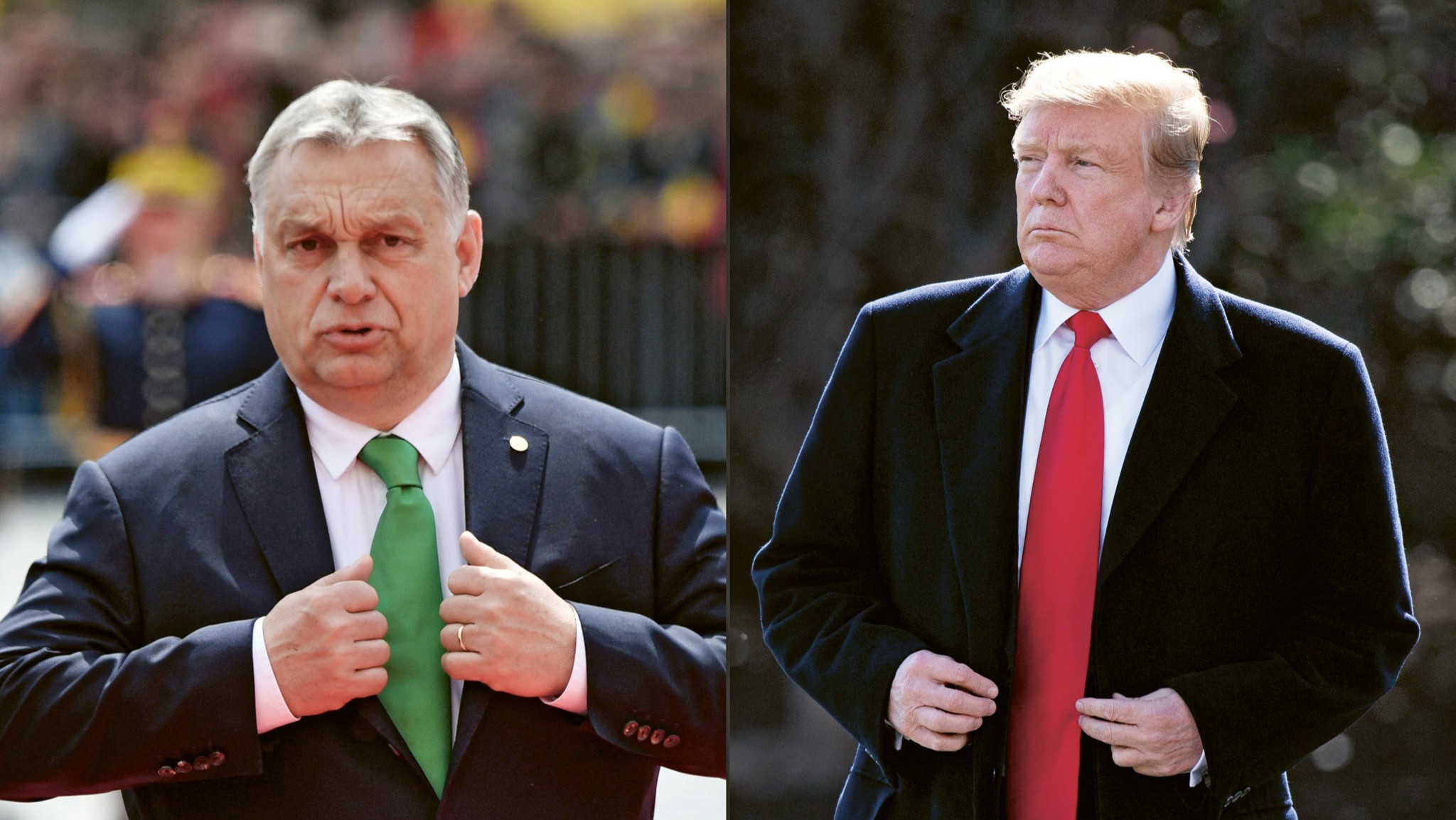
Hungary has received assurances from NATO Secretary General Jens Stoltenberg that it will not have to participate in military action outside its territory. Stoltenberg and Viktor Orbán held talks in Budapest on Wednesday, during which, in addition to discussing the war, Hungary’s significant contribution to the functioning of the defence alliance was also highlighted.

Night of Museums Returns with 2500 Programmes

In Budapest, those interested in the events and exhibitions for the Night of Museums will be able to attend with a unified wristband: adult wristbands cost 3000 forints, while children’s wristbands (ages 6 to 18) cost 1500 forints. The wristbands not only provide entry to participating institutions and programmes but also allow free use of the BKK museum bus routes.

Israeli Prime Minister Benjamin Netanyahu (C) with his wife Sarah behind him, signs the visitor's book on the Great Wall of China at the Badaling Pass just north of Beijing, 27 May 1998

HAIKU States, Trade Leagues, and Hungary in the Multipolar Era

‘The HAIKU states present a novel approach to exploring and understanding how statesmen and national leaders can navigate a dynamically changing global political landscape, marked by shifts in power balances, evolving alliances, and heightened strategic competition.’

General view taken on 4 April 1949 in Washington of the official signing ceremony creating the North Atlantic Treaty Organization (NATO)

Congressional Foreign Policy in the Era of Renewed Geopolitical Competition: US Commitment to NATO

‘The four camps of congressional foreign policy suggest different readings on the transatlantic alliance. From a liberal universalist perspective, NATO is not just a political and military alliance focusing on collective defence, but rather a collective security cooperation based on shared values. A pragmatic liberal argument views NATO as an institution where allies’ interests and values can be aligned, whereas a prudential realist understanding highlights the alliance’s role in pursuing US interests in accordance with US values. Lastly, from a strict realist perspective, NATO is the contemporary embodiment of an American sphere of interest in Europe.’

Illustrations of János Arany’s ballads by painter Mihály Zichy (1898)

King Sigismund and the Heroes of the Siege of Golubac

Galambóc (Golubac in today’s Serbia), still an imposing fortress on the banks of the lower Danube section, first appears in the annals of history when Turkish invasions approached and even reached the former borders of Hungary. King Sigismund, however, is not usually praised in military historical literature for the siege of Galambóc, although he acted with great foresight and care.