Hungarian Defence Forces Receive Two More New H225M Helicopters
The Hungarian Defence Forces are set to receive a total of sixteen medium-lift rotary-wing aircraft from Airbus Helicopters, as part of the government’s force development programme.

The Hungarian Defence Forces are set to receive a total of sixteen medium-lift rotary-wing aircraft from Airbus Helicopters, as part of the government’s force development programme.

Vance is serving his first term in Congress as a Senator from Ohio, winning his seat in the 2022 midterm elections. The former marine and venture capitalist, whose 2016 autobiography Hillbilly Elegy became a bestseller and was even made into a film, is quite knowledgeable about and apparently appreciative of several policies of the Hungarian government.

István Báthory (1533–1586) played a pivotal role in the history of Lithuania. His legacy is marked by his efforts to strengthen the Lithuanian state, promote education, and foster religious tolerance, making him a significant figure in the history of Eastern Europe.

The Hungarian Defence Forces’ Basic Non-Commissioned Officer Course (AAT), a one-year programme, has equipped the newly graduating non-commissioned officers with various skills. With these capabilities, they will not only be able to fulfill their leadership duties but also serve the nation in a manner befitting and worthy of an NCO, Command Sergeant Major of the Hungarian Defence Forces Zoltán Kaszab stated during an internal inauguration ceremony held at the barracks’ assembly ground. This year’s NCO inauguration will be held on Saturday, 13 July, at Heroes’ Square in Budapest.

Eight prominent British and American public figures have published an open letter in the Financial Times calling for an immediate ceasefire and peace talks in Ukraine. According to one of the authors, their letter was influenced by Viktor Orbán’s peace mission launched last week.

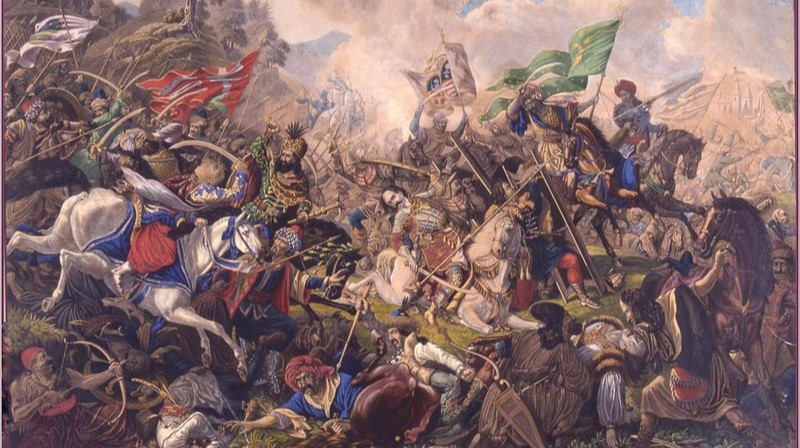
‘The first units of the First Crusade, and then the main army led by Godfrey of Bouillon, did cross the Hungarian Kingdom, but by then King Coloman was on the throne, the successor of Ladislaus. It was also well known that the only Hungarian-led crusade to the Holy Land was launched in 1217 under King Andrew II. Yet Hungarian medieval narrative sources record one more. They tell an interesting and controversial story about King Saint Ladislaus…Given the fact that the Hungarian king died on 29 July 1095, almost half a year before the first Crusade was announced at the Council of Clermont in November 1095, modern scholarship quickly lost confidence in the historicity of the account.’

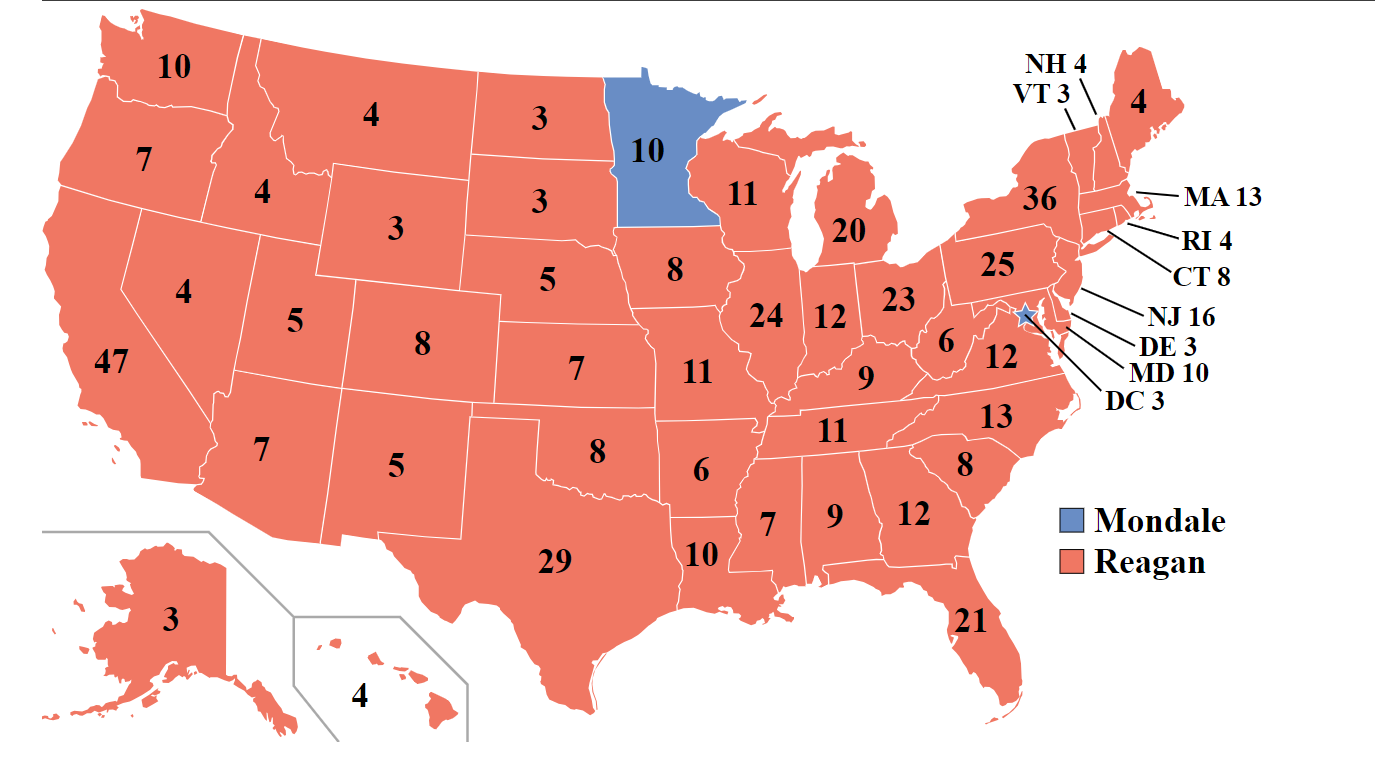
‘The deep state is nothing new, for it has existed throughout history and in different forms. What is new is the paranoia and the theories that are swarming around in the U.S., when in fact the deep state, if that is what some wish to call it, does not really care who holds onto power…The irony of Trump’s crusade against the deep state is that he will need to create a deep state to accomplish this, i.e., a powerful bureaucracy loyal to him over the country’s federal agencies.’

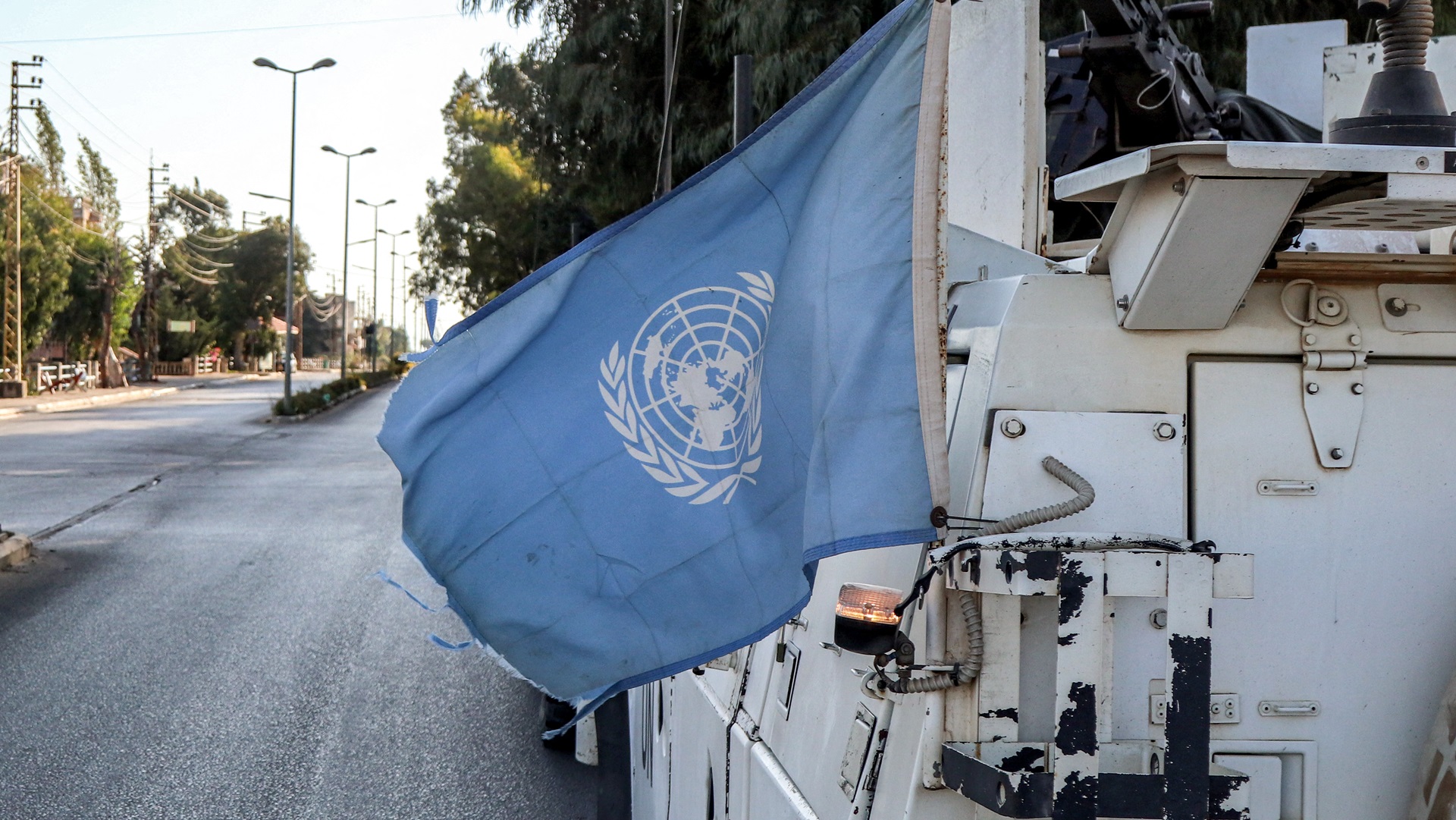
In December last year a new law created a distinct category for ‘EU minorities’ in Ukraine (such as the Hungarian and Romanian ethnic minorities) that now have access to more privileges than for instance the Russian minority. Later, as a sign of goodwill to better relations, Foreign Minister Péter Szijjártó visited Ukraine. Now, with the meeting between Orbán and Zelenskyy the two country’s relationship is officially warming up. If in the long-term Budapest does manage to considerably contribute to peace between Russia and Ukraine, as it clearly intends to, it might have a long-lasting positive impact on bilateral relations.

It is important for Hungarians that China advocates for peace in the world, stated Prime Minister Viktor Orbán on Monday in Beijing, where he met with Chinese President Xi Jinping.

‘The fate of American democracy—and democracy more broadly throughout the West—depends on social, cultural, demographic, and technological trends and changes that have been ongoing for quite some time now. It may perhaps be too late to reverse these trends, and the fixation on individual figures fails to address the real issues at hand. As history has shown, the unraveling of social cohesion, coupled with technological disruptions, erodes the very foundations of democratic systems.’