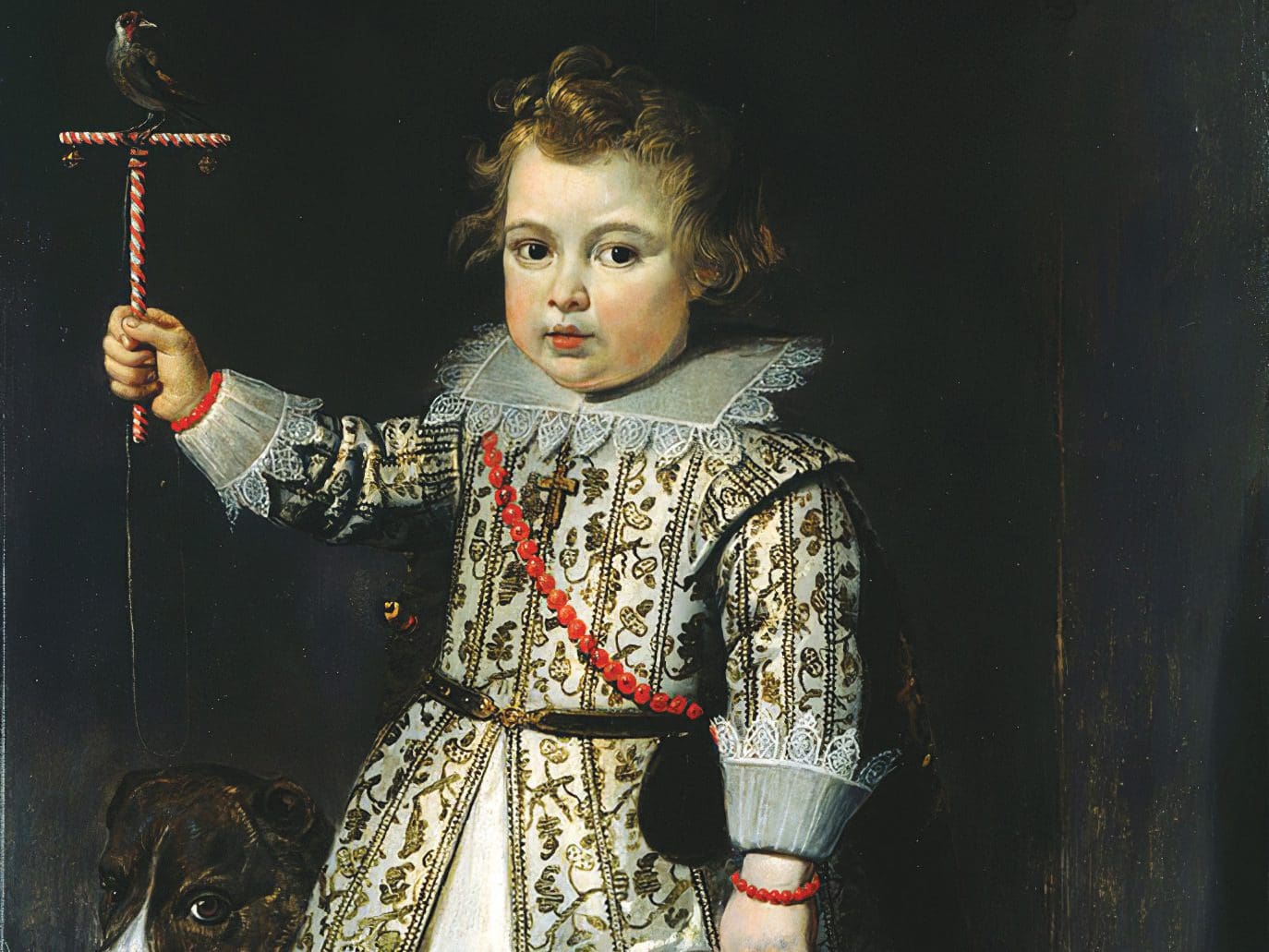
In Defence of Hungary against Transgender Indoctrination
The transgender issue shows that the real-world liberal order is a far cry from its claimed neutrality about people’s choices.

The transgender issue shows that the real-world liberal order is a far cry from its claimed neutrality about people’s choices.

In the present circumstances, even the smallest change affecting the Bundeswehr could be the source of prolonged political debates that not only protract the deployment of forces and the acquisition of equipment, but also greatly hinder effectiveness.
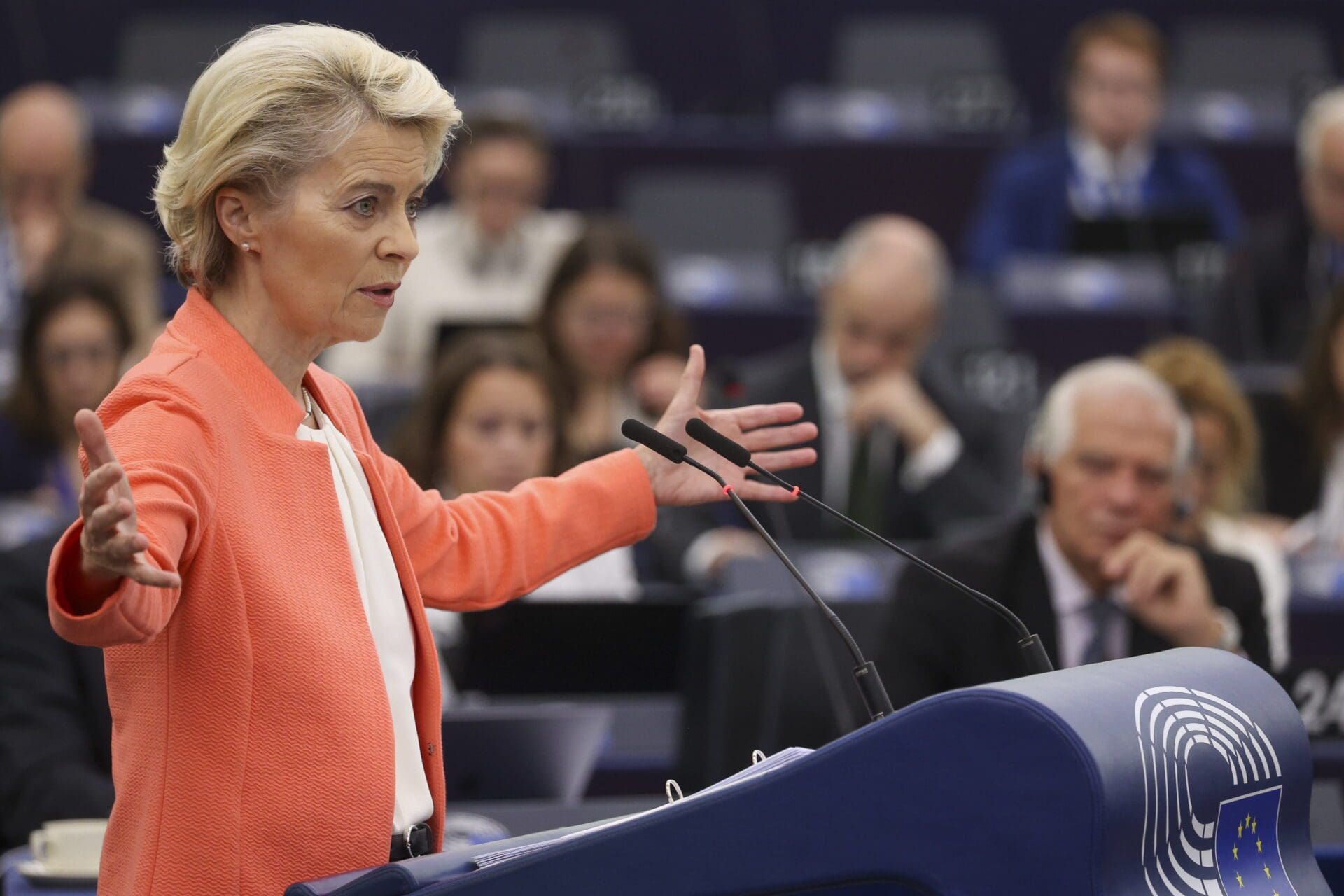
Most Europeans have had enough of the shady, behind-the-scenes dealings in European politics and of needing to swallow every bitter pill they are served by unelected bureaucrats with too much power and too little competence.
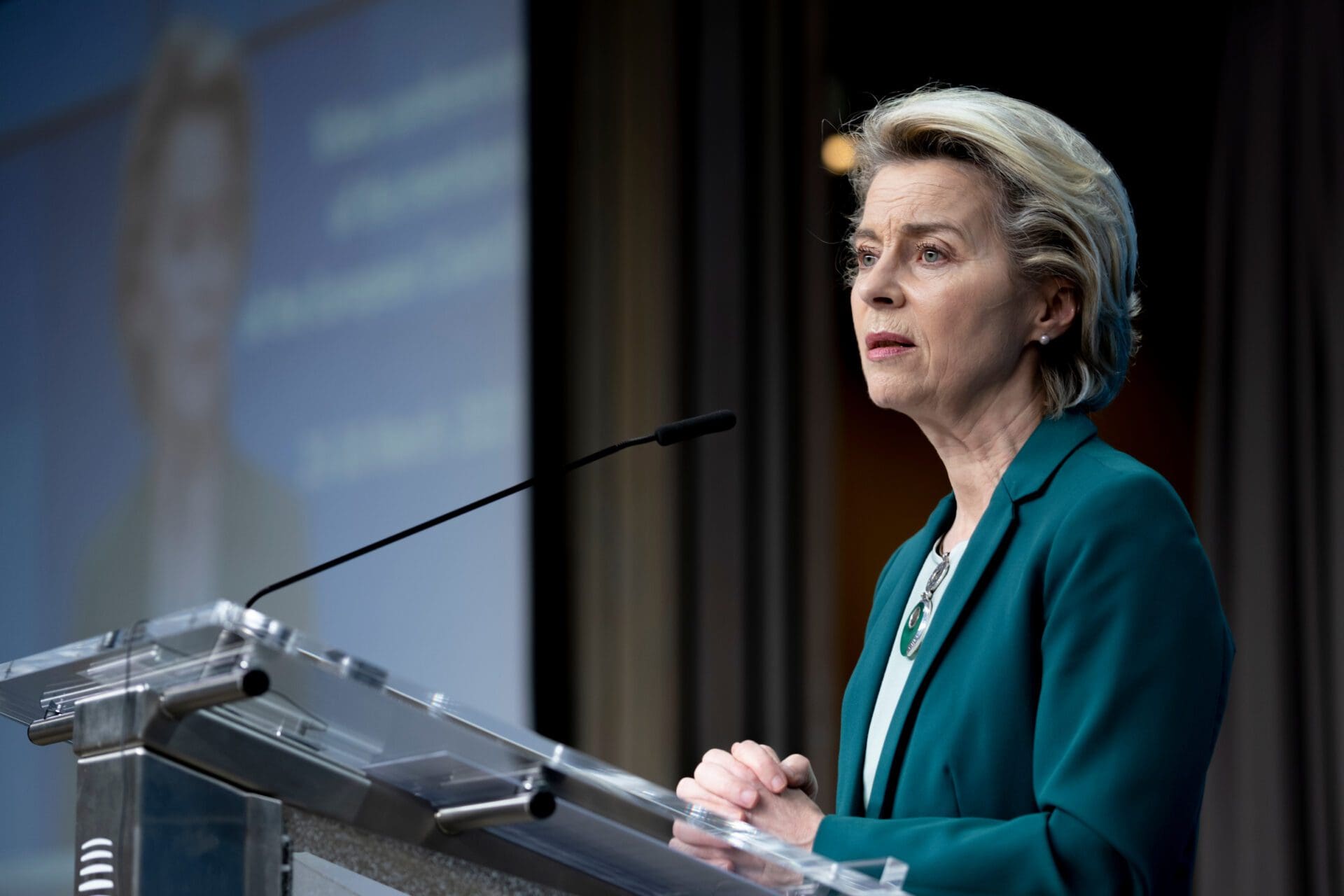
The EC president would punish voters should the left not win the election in Italy this Sunday. How utterly democratic of her.
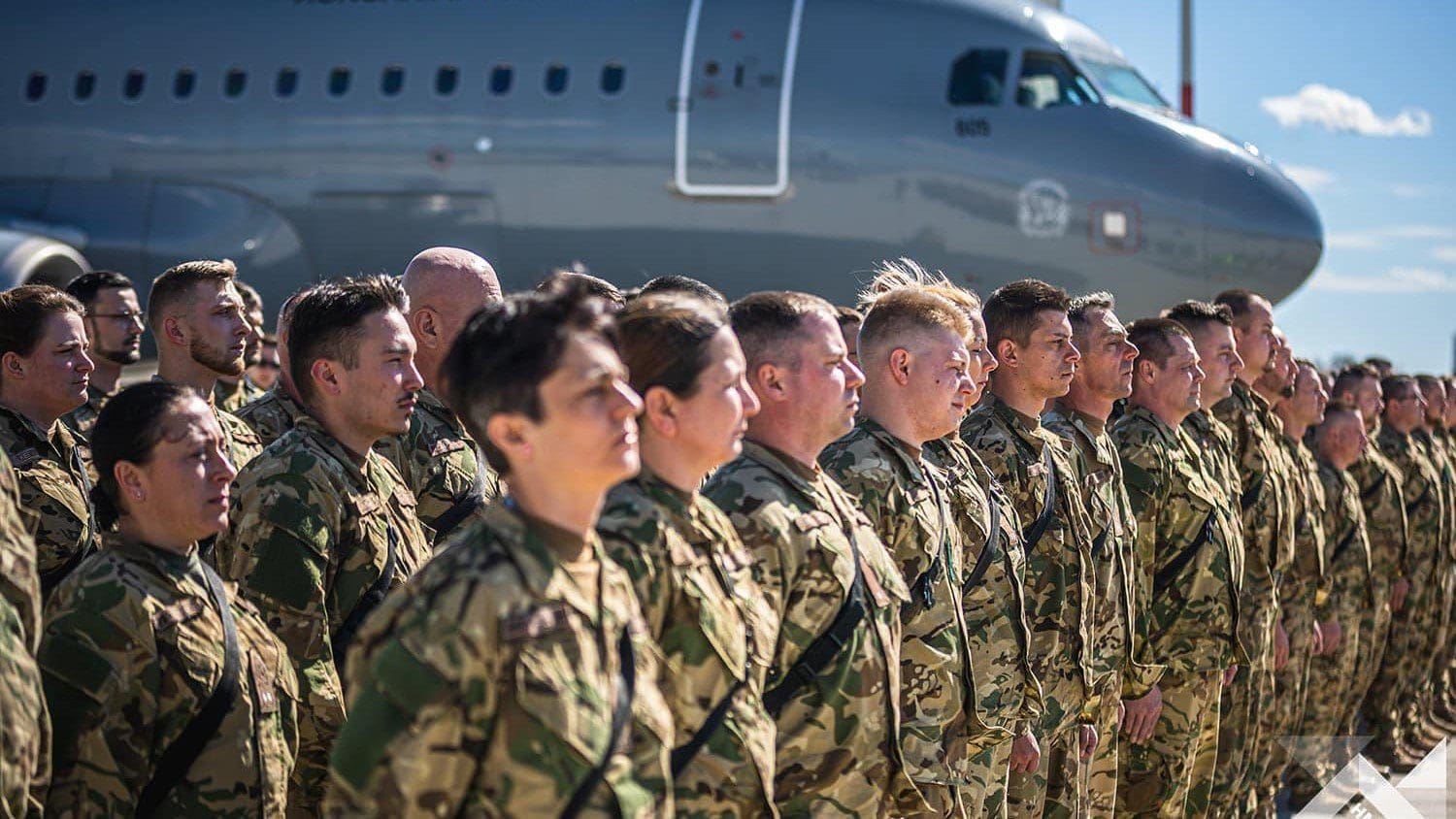
A Századvég survey finds most EU citizens oppose deeper involvement in Ukraine: 51 per cent reject arms shipments, while 69 per cent oppose sending troops. Despite calls from leaders like Ursula von der Leyen and Manfred Weber for accelerated support, public opinion across most member states—including Hungary, Bulgaria, and Slovenia—remains firmly against military action.
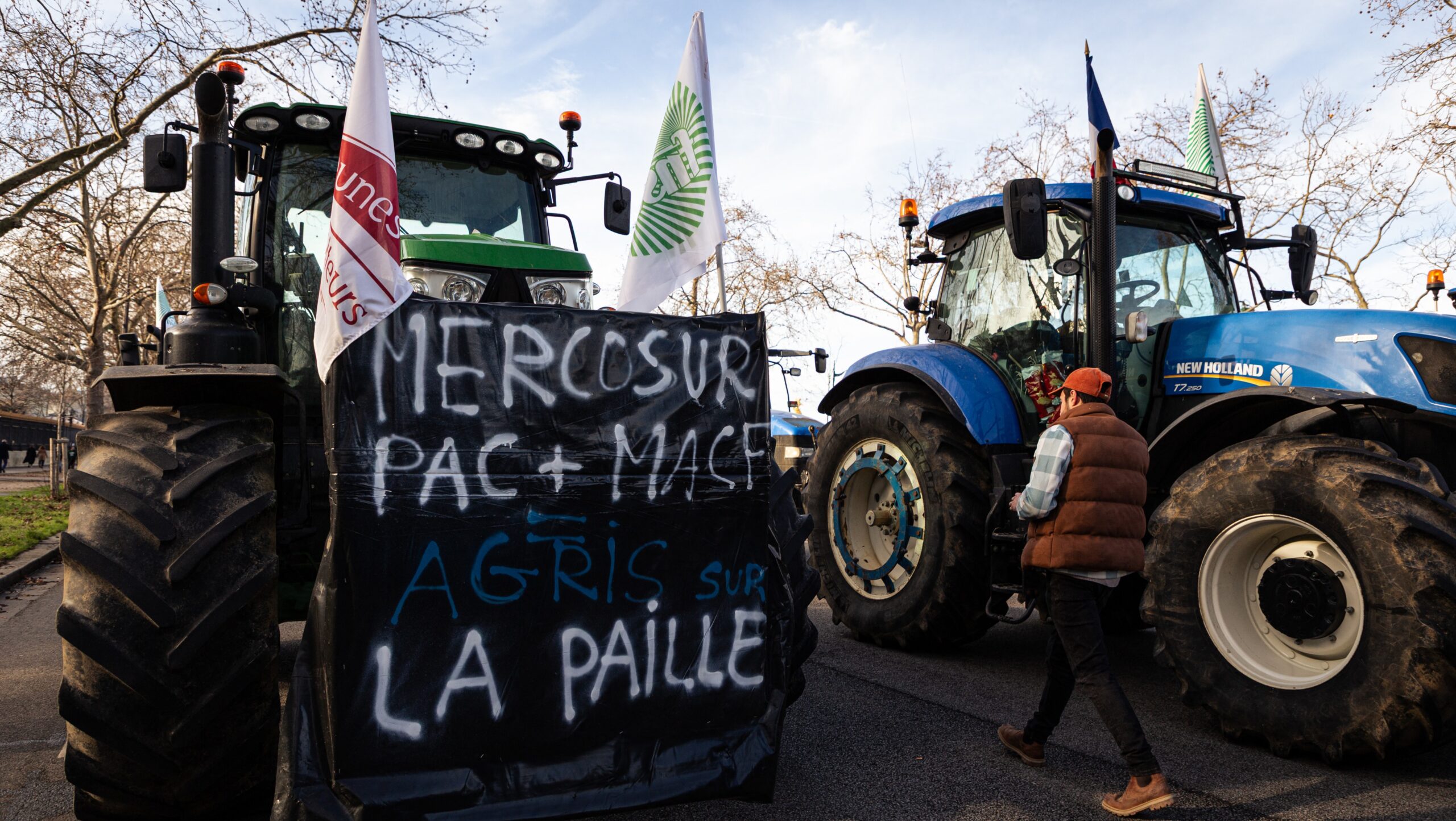
‘The process is now entering its formal stage: the signing ceremony is scheduled for 17 January 2026, in Asunción, Paraguay, where Ursula von der Leyen and António Costa will personally put an end to 25 years of wrangling. However, the signing is not the end of the road, but the beginning of a new struggle.’
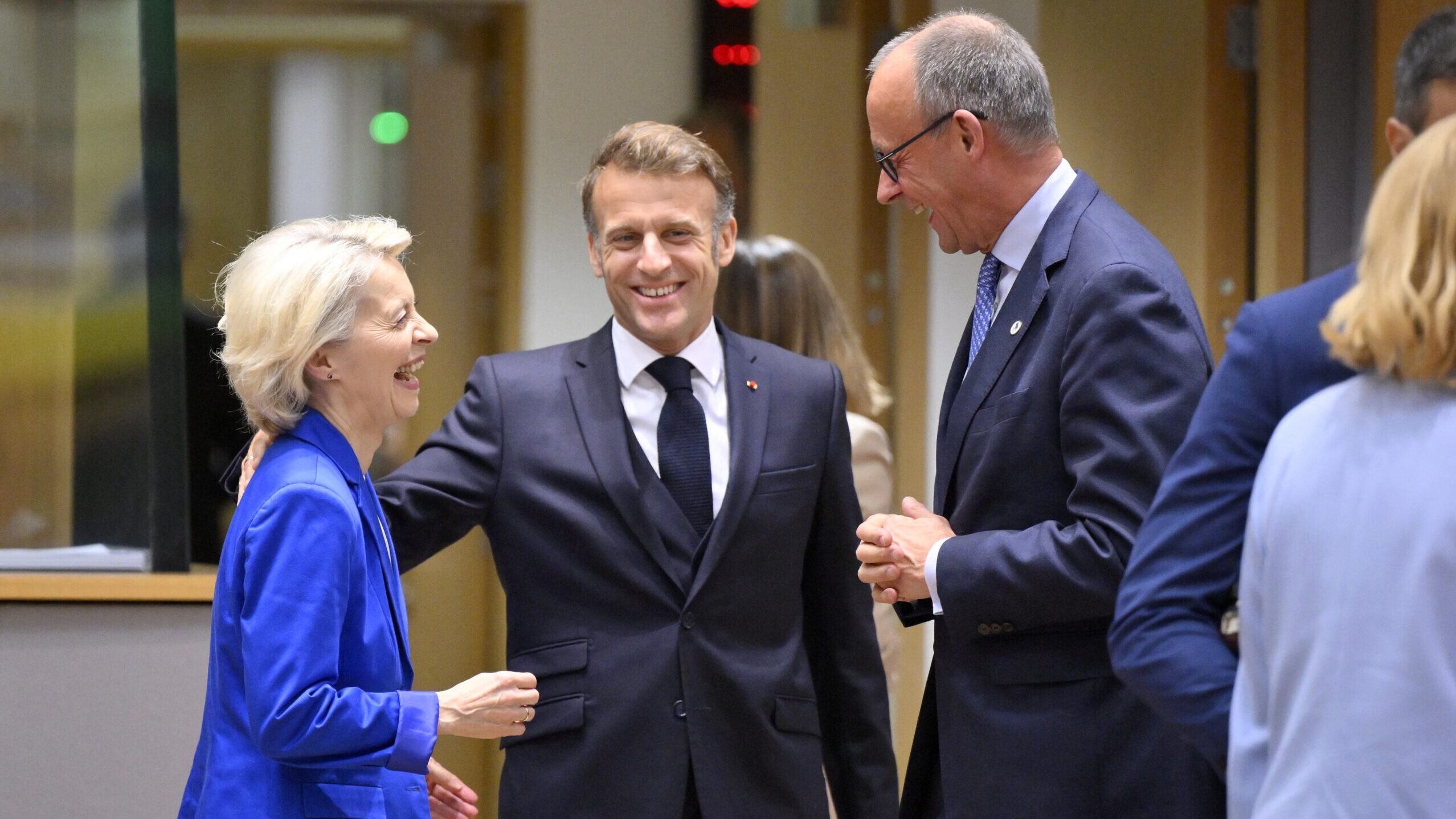
Ursula von der Leyen claims only voters decide a nation’s leaders—yet recent EU actions tell a very different story. From Romania’s annulled election to Germany’s institutional crackdown on AfD and France’s judicial assault on Marine Le Pen, the Union shows an increasingly authoritarian instinct that undermines democratic choice.
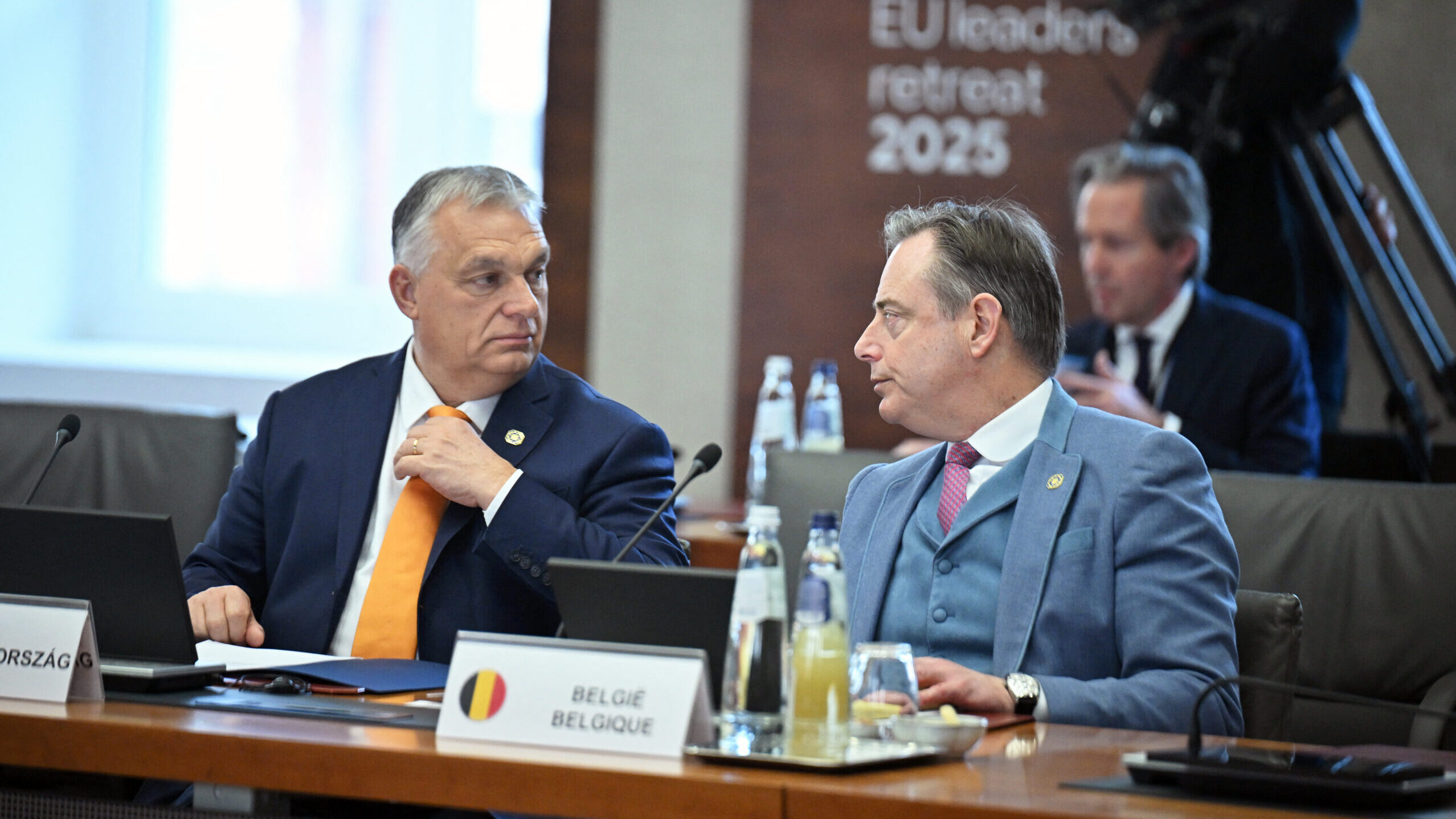
POLITICO Brussels reports that Belgium may soon be treated like Hungary—isolated, ignored and punished—simply for refusing Ursula von der Leyen’s EUR 165 billion Ukraine loan scheme. The message is unmistakable: in today’s EU, disagreement is no longer tolerated, and the system is shifting toward open coercion.
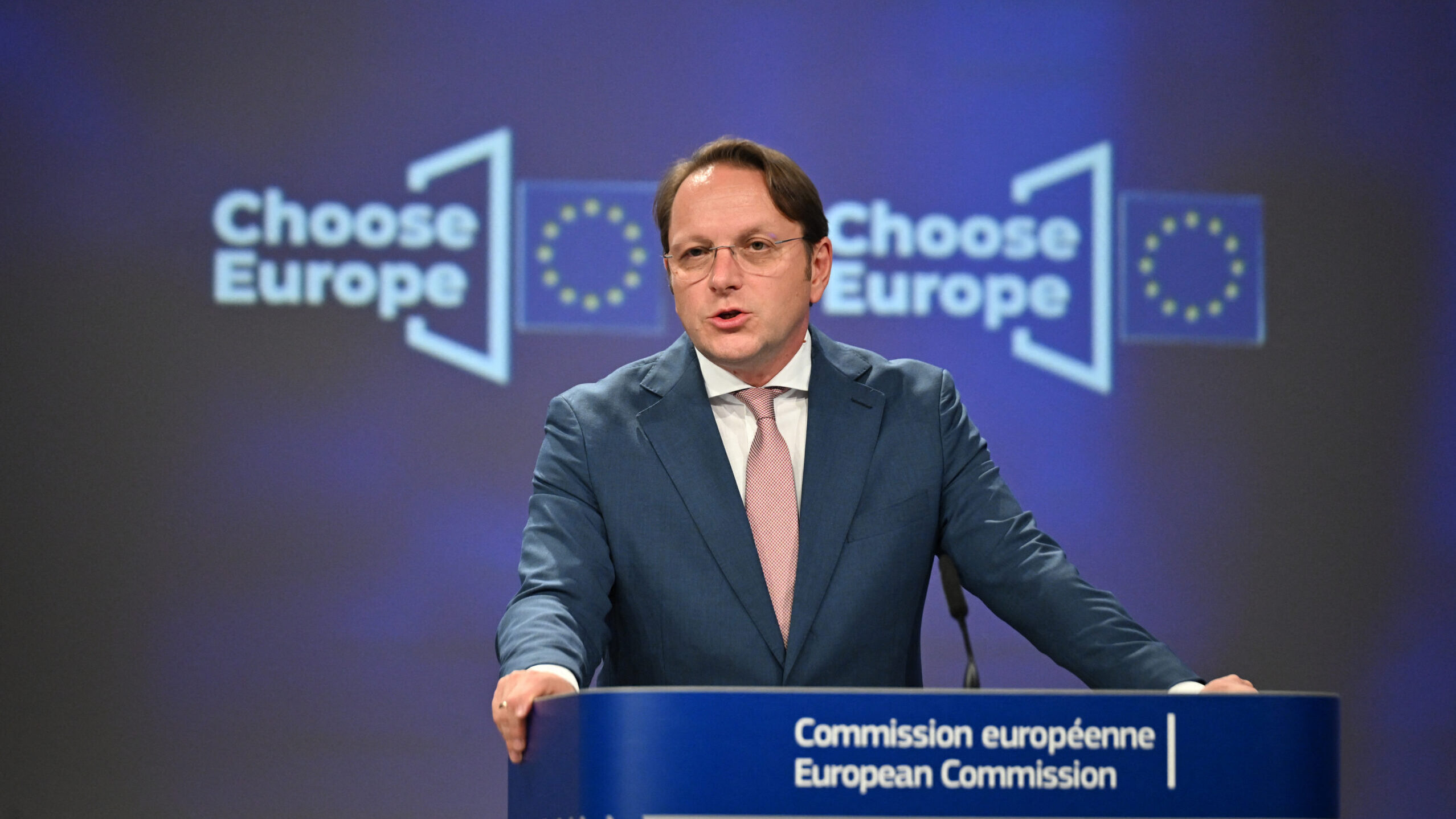
Renew Europe chief Valérie Hayer has demanded that Ursula von der Leyen ‘use her power to act’ over reports of an alleged Hungarian spy network in Brussels tied to Commissioner Olivér Várhelyi. Hungarian officials strongly denied the story, calling it a foreign-funded smear campaign designed to damage Budapest ahead of next year’s election.
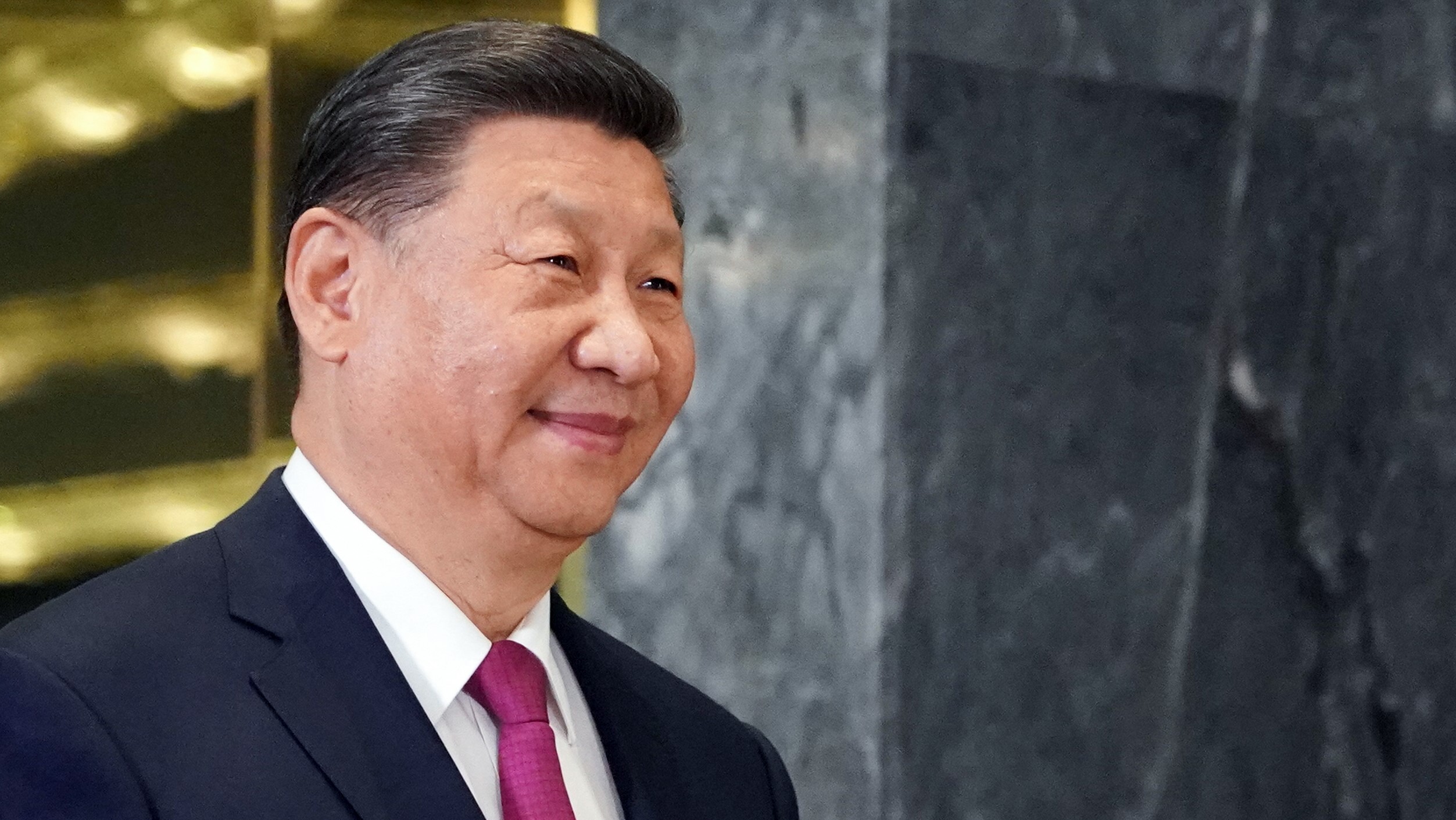
‘…just recently, during the EU–China summit hosted by Xi, not only was there no Chinese delegation to welcome European Commission President Ursula von der Leyen and other top EU leaders, but the Chinese autocrat also made them take a bus to reach the summit venue. This does not look like a man who is on his way out.’