A Crusade Against Hungary? — The Siege of Zadar 

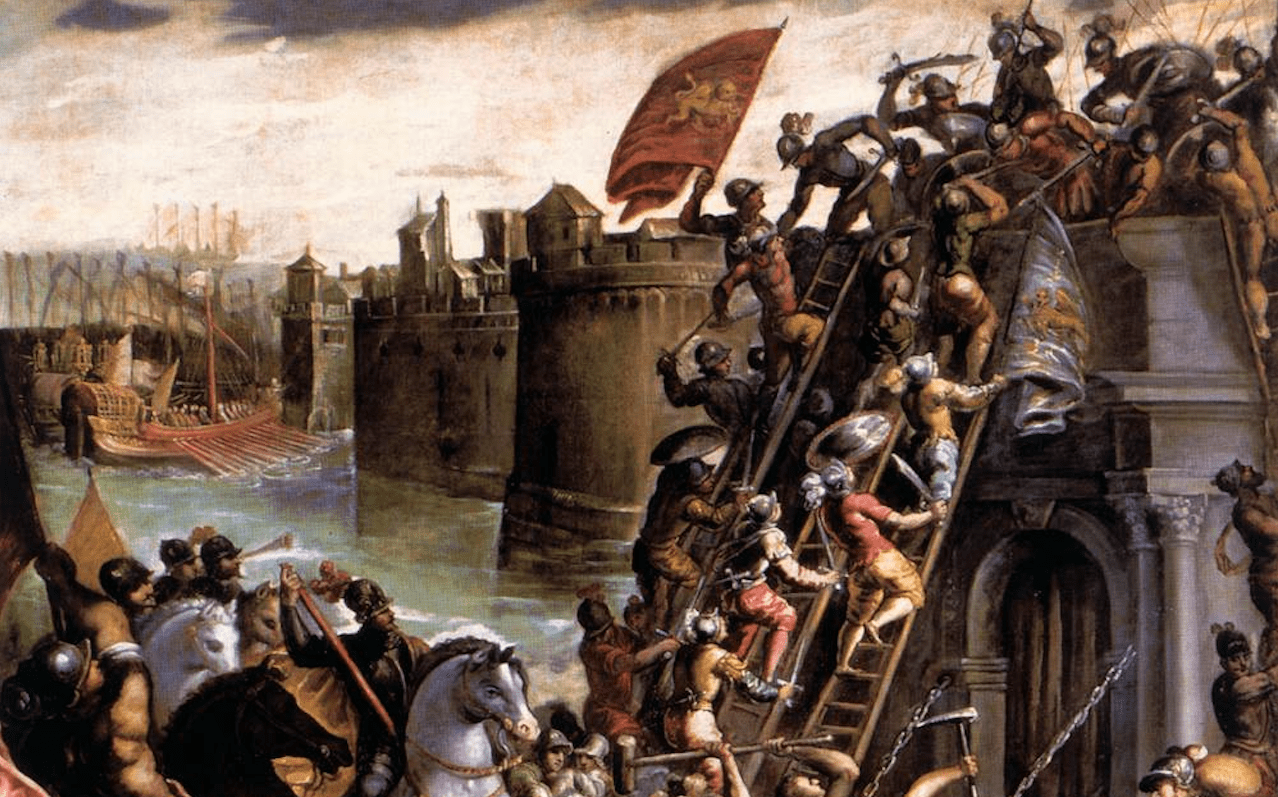
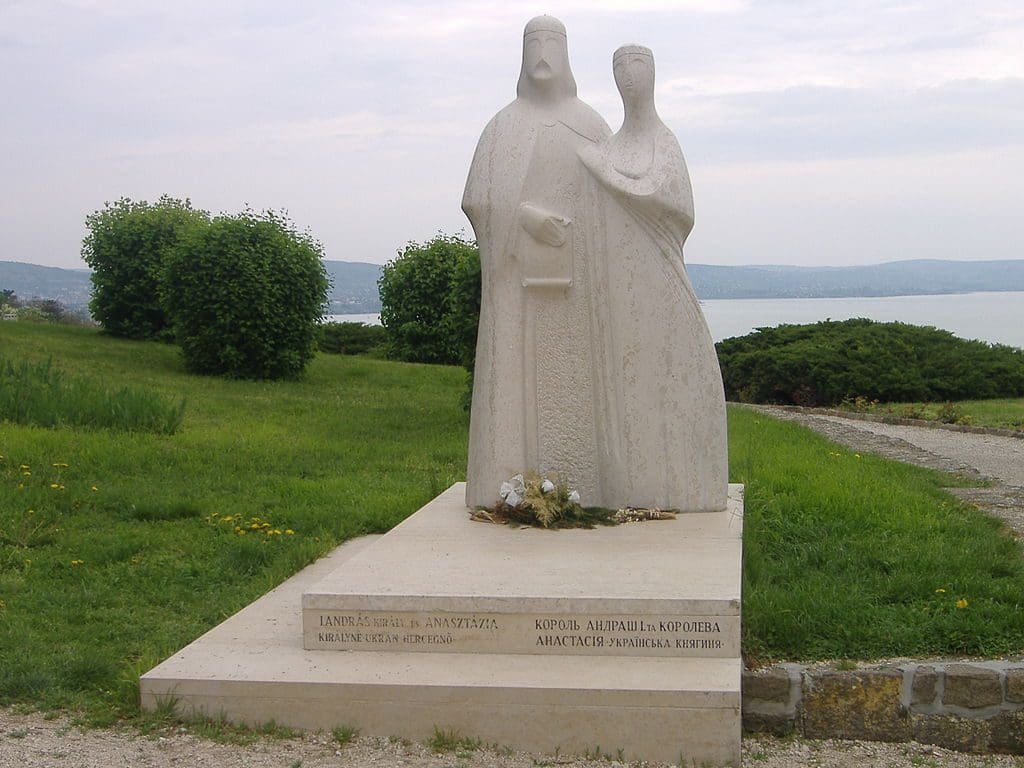
Zadar was a Western Christian town with a rich history, and at that time it was once again under the authority of Emeric (Imre in Hungarian), King of Hungary (1196–1204), who himself had taken the crusader’s vow.

Szijjártó: The Paks Expansion Will Create Ten Thousand New Jobs

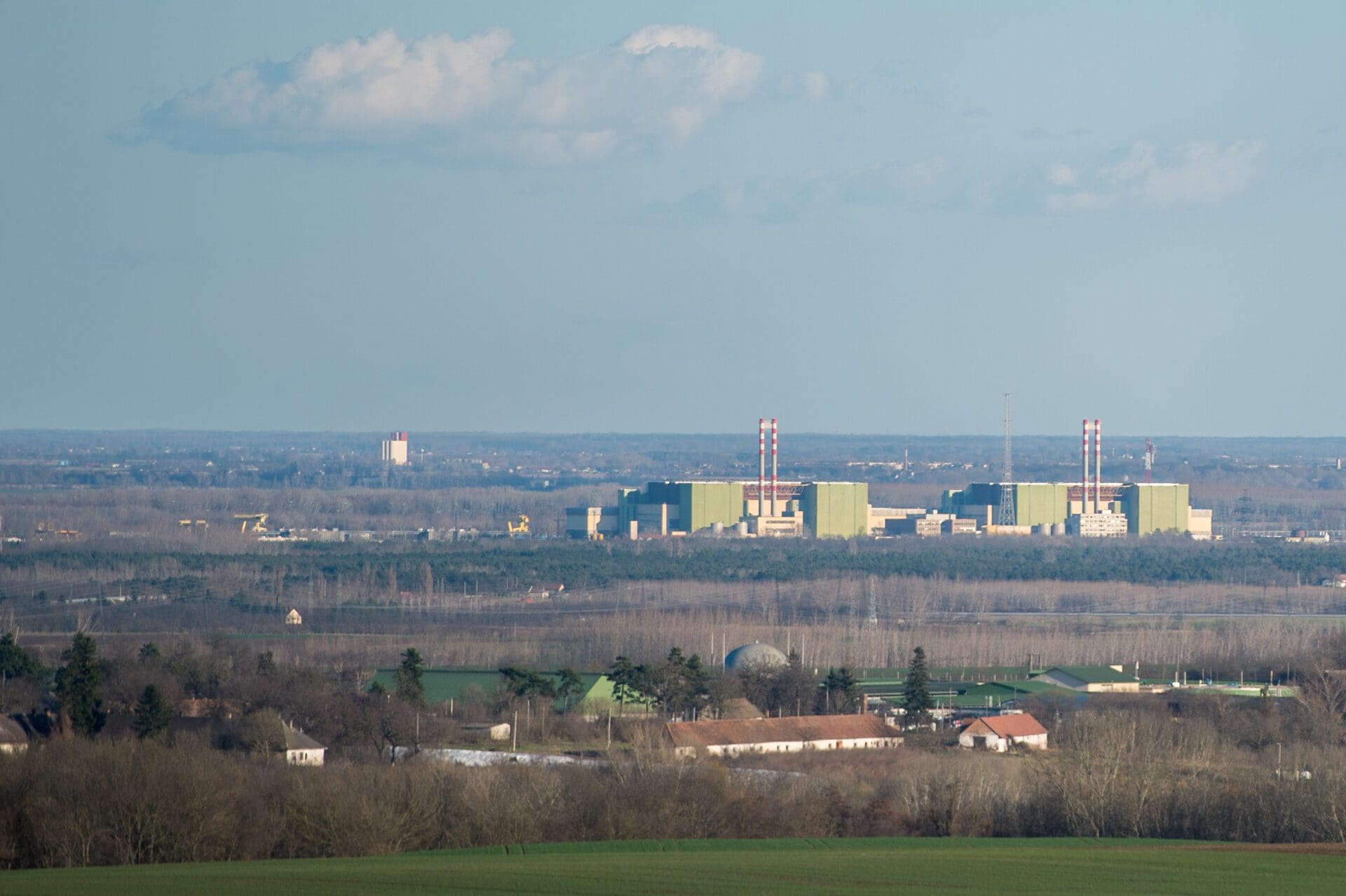
The Paks nuclear power plant currently prevents the emission of 14.5 million tons of carbon dioxide per year, and with the expansion, this will increase by another 17 million tons. In addition, about four billion cubic metres less natural gas will have to be used per year.

Pannonhalma, the Thousand-Year-Old Abbey

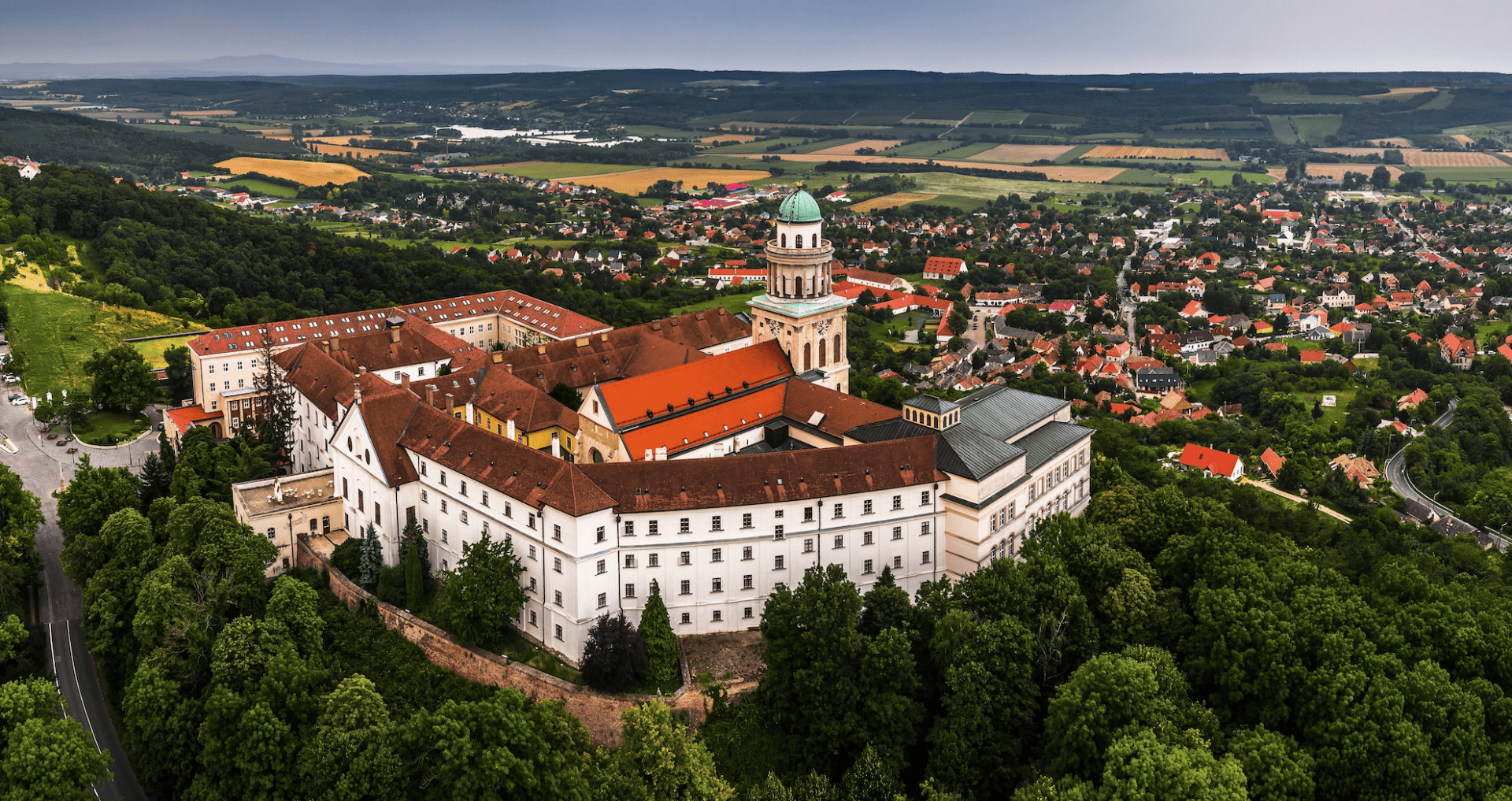
Benedictine monks first settled at the place we now know as Pannonhalma in 996. Today, after well over a thousand years, the monastery is still a vibrant religious community as well as a UNESCO World Heritage Site.

Revisiting the Holy Crusades

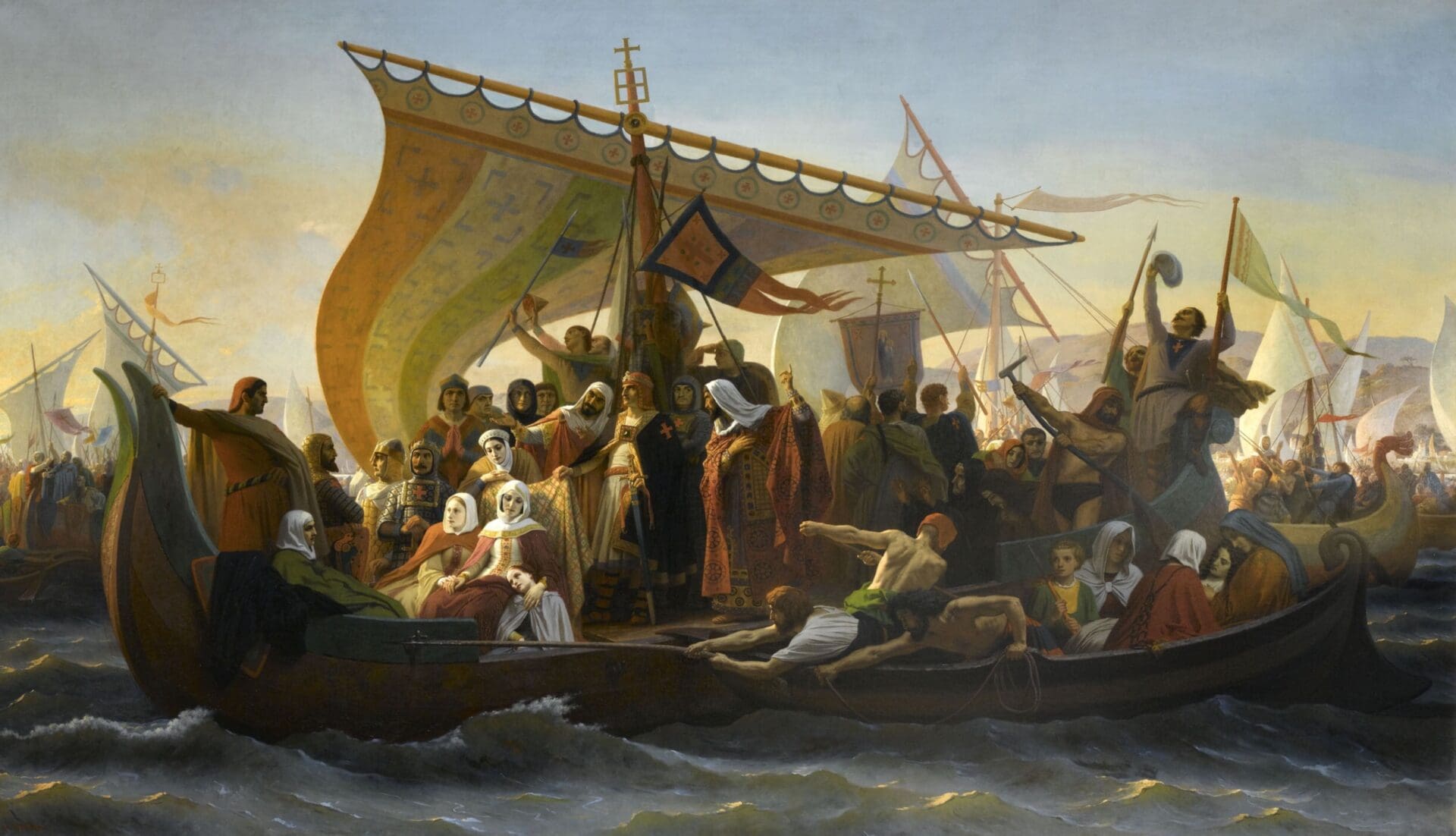
Islamic scholars and activists who insist that Islam is a religion of peace go so far as to compare the crusades to, if not equate with, the jihad carried out by ISIS, al-Qaeda, the Taliban, and other Islamic terrorist groups.

Ramadan Break Taken in Hungarian Football League

A Puskás Akadémia–Nyíregyháza Spartacus Hungarian league game was paused to let two fasting Muslim players break Ramadan at sunset—an unusual but respectful moment in Hungarian football. Unlike recent incidents in the Premier League, the crowd reacted with quiet acceptance.

The Church, the Digital Sphere, and Europe’s Future

‘This could be fake news. The website InfoVaticana quotes anonymous sources who, they say, were also at the meeting, and who report that the Holy Father did not make “far-right ideology” a focus of the meeting. One hopes they are correct.’

The Telegraph Accuses Orbán of Planning Coup if He Loses April Election

A bizarre opinion piece published by The Telegraph claims that Hungarian Prime Minister Viktor Orbán is preparing for a coup in the event of an electoral defeat, relying on speculative arguments and political assumptions rather than verifiable facts. The article, authored by former opposition MP Zoltán Kész, reflects a broader pattern of narratives seeking to delegitimize Hungary’s democratic process while simultaneously preparing the ground for a possible electoral defeat in April.