


A Mediterranean cruise carrying around 2,000 passengers, mainly homosexual men, has been denied entry by both Türkiye and Egypt, turning the Scarlet Lady into a symbol of the clash between often biased Western liberal assumptions and the traditional Islamic view of homosexuality. The controversy also raises broader questions about Muslim immigration to Europe and the future of the so-called ‘Lavender Vote’.

An Irish man has been sentenced to 14 years in a Hungarian high-security prison for the murder of American tourist Mackenzie Michalski in Budapest. The court rejected his claim that her death was accidental during consensual sexual activity and found him guilty of intentional homicide.

EU finance ministers have approved Hungary’s revised Recovery and Resilience Plan, clearing the final Council-level hurdle for Prime Minister Péter Magyar’s government to seek €10 billion in post-pandemic funding. The decision implements the political agreement with Ursula von der Leyen in May, but payments remain conditional on reforms completed by the end of August.

Hungary remains one of Europe’s most anti-immigration countries, with 87 per cent of Hungarians favouring either no immigration or only very limited arrivals from poorer countries, according to a Republikon Institute analysis. The findings reinforce the political durability of Hungary’s restrictive migration model and suggest there is no social backing for breaking with the Orbán-era hardline position.

Video of Christian preacher David Grisham being accosted, then cited by police for preaching at a pride event in Fort Worth, Texas has just been published online. The incident has sparked outrage, as many feel Grisham’s right to free speech was clearly violated in one of the most conserative states in the Union.
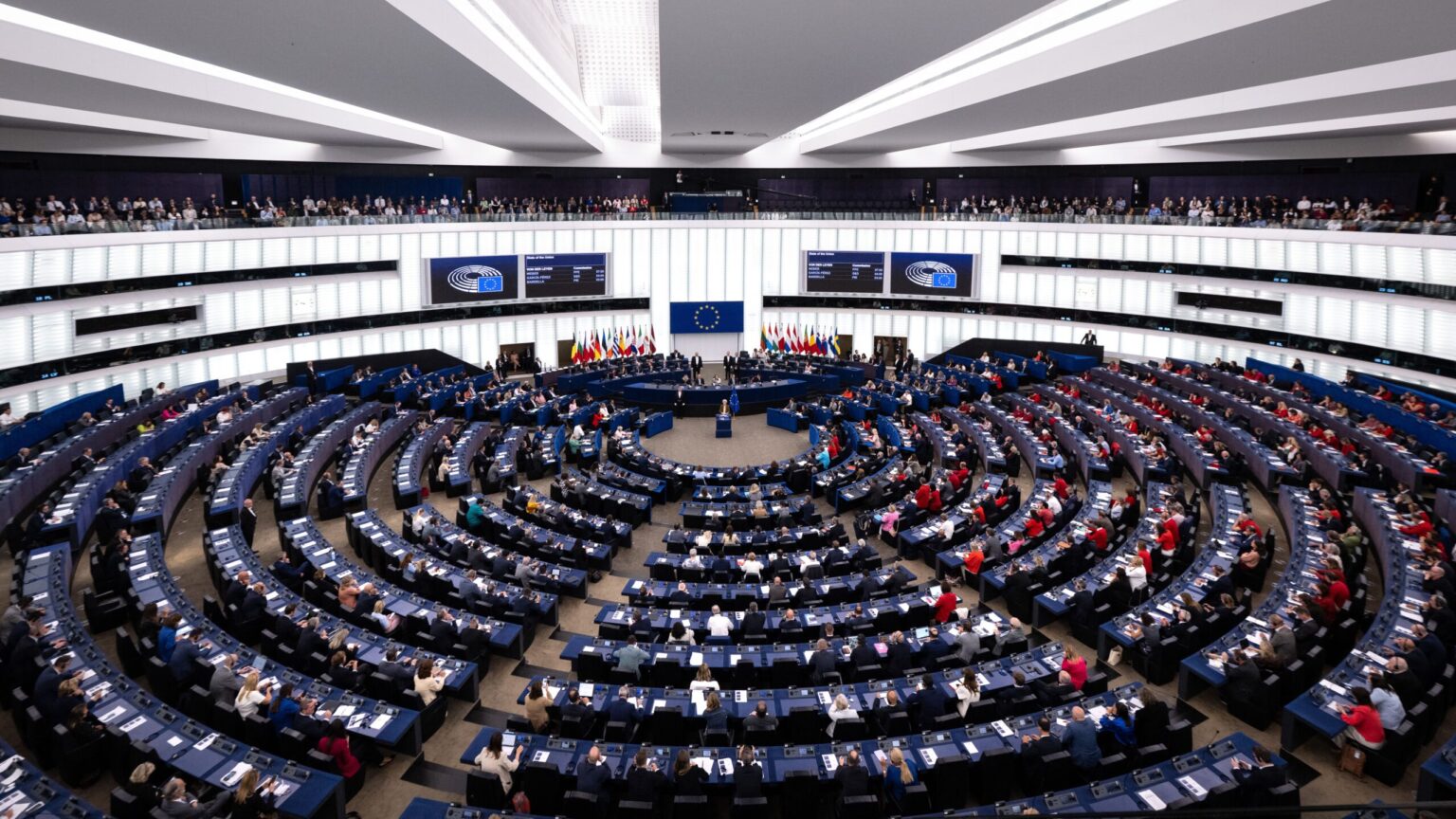
The European Parliament has voted decisively to begin negotiations on the creation of a digital euro, with 416 MEPs supporting the move against 169 opposing. The proposed ECB-backed digital currency would complement cash rather than replace it, offering free basic services and high-level privacy protections while imposing limits to safeguard financial stability.
At a time when public debate is increasingly polarized and superficial, Hungarian Conservative remains committed to depth and independent thought.
Donate Now
Please consider supporting our mission.